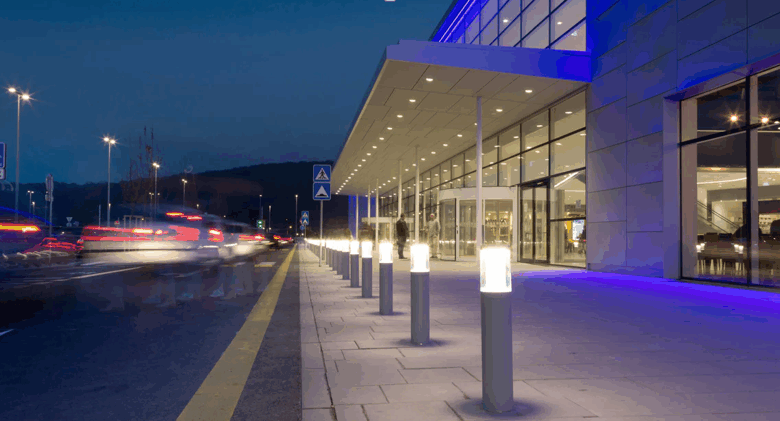
Street lighting is the backbone of quality, safety, and functionality in urban environments. What often seems like a simple grid of poles and luminaires is actually an immensely strategic system that influences how people move, behave, and experience city life. Today, planners rely on smart lighting design to minimise risks, encourage social interaction, and create appealing civic spaces. With best practices for a lighting audit and the services of an outdoor lighting consultant, communities can develop optimal lighting systems that are cost-effective and ecologically sustainable while also considering human needs.
Enhancing Safety through Visibility
One of the most important advantages of effective street lighting is improved visibility. Well-lit streets enable motorists, bicyclists, and pedestrians to better see obstacles, traffic signs, and each other. Reduced visual uncertainty lowers the risk of road accidents. In areas with high levels of traffic flow, roundabouts, intersections, and pedestrian crossings, appropriate levels of illumination can dramatically improve reaction time and overall flow.
The second major safety advantage is crime prevention. Many studies have consistently confirmed that appropriate lighting prevents unwanted action by the heightened possibility of being witnessed. When dark corridors, alleys, and paths are adequately lit, the citizens can feel much more confident in moving around their neighbourhoods at night. Such a lighting audit will help to identify those areas where illumination either comes short or is inefficient and thus enable the city to go on maintaining safer environments for all.




Supporting Walkability and Active Public Spaces
Street lighting is one of the big determinants of how the public will utilise open spaces after sunset. Well-designed lighting makes pathways and sidewalks inviting and well-defined, encouraging walking, jogging, and cycling. In general, the more comfortable and safe the outdoors community environment feels, the greater is the benefit to local businesses from increased activity, as restaurants, shops, and public venues remain accessible.
Modern urban design is actually based on creating “liveable cities” with active streets and public areas easily accessible. Lighting can turn landmarks, architectural features, parks, and waterways into visuals that spur interest and culture. An outdoor lighting consultant will be invaluable in defining the artistic and functional use of light to help encourage evening social life and a sense of community.
Smoothening the Flow of Traffic and Transportation Efficiency
There is only so much traffic safety that pertains to the prevention of accidents, and another portion of it relates to how well a city can move people. In turn, this will provide clear lighting around intersections, stops, stations, and lanes so that transitions between modes of transportation are easily managed. To drivers, consistent illumination reduces eye fatigue and makes navigation more manageable, especially where complicated systems of roads exist or in unfamiliar environments.
Public transportation benefits, too. Well-lit bus shelters and rail platforms reassure waiting passengers; they also create a safer, easier boarding process. A lighting audit lets city planners know whether transportation hubs meet requisite standards of visibility and stay user-friendly in the dark.
Environmental and Energy Considerations
The general characteristics of modern streetlight systems are low power consumption and sustainability. LEDs, with their long life, lower energy consumption, and improved colour rendition, have been the lights of choice. Smart lighting systems include adaptive dimming and motion sensing for further optimisation in energy savings through changes of brightness levels depending upon current conditions.
It’s only when such cities work with an outdoor lighting consultant that informed decisions can be made around upgrading outdated fixtures to their ecological alternatives. A professional would study the current infrastructure, proposing an optimal light distribution pattern and technologies that reduce light pollution. Minimising glare and reducing upward light can help in energy conservation, preservation of the natural night sky, and protection of nocturnal wildlife.
Strengthening Community Confidence and Social Well-Being
More than mere lighting, streetlights are built into the way people perceive the outdoors. Neighbourhoods that are well-lit are perceived as far safer, more inviting, and vibrant. This perception of safety can directly impact property values, community involvement, and overall mental health among its residents.
Well and consistently illuminated parks, plazas, and recreational areas attract families, visitors, and social groups long after the sun has gone down. Social cohesion increases with increased use by communities of public outdoor spaces. A well-executed lighting audit ensures that public lighting supports these social benefits rather than creating unnecessary glare or shadowy pockets.
Integration of Technology and Smart City
With the development of smart technologies, street lighting has emerged as a smart system able to collect data; thus, it has begun to contribute to enhancing urban management. In fact, smart streetlights can monitor pedestrian movement, automatically detect outages, respond to traffic patterns, and even integrate with emergency services. These features go a long way in building safe and responsive urban environments.
An outdoor lighting consultant will be able to support cities in the planning of these kinds of advanced systems, considering compatibility with existing infrastructure and long-term scalability. The same planning will ensure that the lighting system contributes towards sustainability goals while improving safety and liveability.
Final thoughts
Street lighting counts among the major elements that compose a safe, functional, and liveable urban environment. From the critical aspects of better visibility and reduction of criminal activity to promoting walkability and social activities, well-designed lighting positively influences literally every single aspect of life in the city. It is through a detailed light audit and the expertise of an outdoor lighting consultant that cities are able to create an optimised lighting system-one that will meet modern safety standards, further sustainability, and increase community well-being. Thoughtful lighting design continues to play an important role in shaping healthy, vibrant, and future-ready urban landscapes.