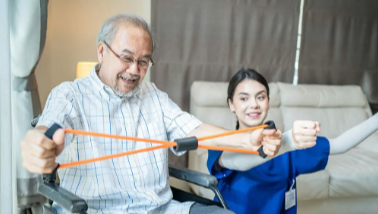
Rehabilitation is most effective when it adapts to a person’s real environment, daily routines, and comfort level. Mobile occupational therapy makes this possible by bringing professional rehab directly to a client’s home. Instead of commuting to a clinic or rearranging schedules, individuals receive personalised support in the space where everyday tasks actually happen. For many people recovering from injury, managing chronic conditions, or ageing at home, this approach creates a smoother, more meaningful path toward long-term independence.
In Melbourne, more families are exploring options such as Mobile Occupational Therapy Melbourne to better understand how in-home care can support mobility, confidence, and functional ability.
Understanding What Mobile Occupational Therapy Covers
Occupational therapy focuses on helping people take part in daily activities safely and comfortably. A mobile OT service delivers this care within the home environment, allowing the therapist to assess real-world challenges and provide practical, tailored solutions. Instead of working with generic clinic setups, clients practise activities using their actual kitchen, bathroom, bedroom, or living spaces, which ensures that improvements translate directly into daily life.




A therapist may help someone regain independence with self-care tasks like showering or dressing, improve balance for safer movement around the home, strengthen mobility after surgery, or adjust routines for individuals living with neurological conditions. They may also identify environmental risks—slippery floors, awkward furniture placement, or difficult staircases—and provide realistic recommendations on how to make those areas safer.
Why Therapy at Home Works Better for Many People
In-home occupational therapy offers benefits that traditional clinic visits sometimes cannot match. Many individuals feel more at ease practising skills in their own environment, which often leads to better participation and faster progress. A therapist can see exactly how someone navigates their home, what obstacles they face, and what parts of the daily routine require support or modification.
Another advantage is the involvement of family or carers. When therapy takes place at home, loved ones can observe techniques firsthand, learn how to encourage progress, and understand how to make everyday tasks safer and more manageable. Home-based therapy also eliminates the travel challenges that often lead to missed appointments, especially for people with mobility limitations or those recovering from surgery.
Who Benefits Most From In-Home Occupational Therapy
Mobile OT supports a wide range of individuals, including older adults who want to maintain independence, people transitioning home from hospital care, and anyone recovering from medical procedures such as joint replacements or fractures. It is also valuable for clients living with neurological conditions such as Parkinson’s disease, multiple sclerosis, dementia, or brain injuries, where personalised support and routine reinforcement are crucial.
For NDIS participants, mobile occupational therapy helps implement functional goals, improve capacity, and identify assistive technology that can make everyday life safer and more efficient. People living with chronic conditions, pain, arthritis, or long-term mobility challenges also benefit from the convenience and personalisation of in-home sessions.
What Happens During a Typical Mobile OT Session
Every session begins with an assessment that looks at mobility, strength, pain levels, daily routines, and overall safety in the home. The therapist observes how the client moves through their space, performs essential activities, and interacts with their environment. This initial evaluation guides the development of a personalised therapy plan.
Therapy sessions often involve practising real daily tasks, such as safely getting in and out of bed, preparing meals, moving through hallways, or managing personal care routines. Exercises may be incorporated to improve balance, coordination, and strength, but the focus always stays on functional improvements that matter in everyday life.
A key part of the session is reviewing the home setup and identifying modifications that can reduce risk or make tasks easier. Something as simple as adjusting furniture placement, improving lighting, or recommending grab rails can significantly improve safety. Throughout the session, the therapist provides guidance not only to the client but also to any family members or carers who assist with daily activities. Each session ends with updated goals and a clear plan for continued progress.
Why Melbourne Residents Choose In-Home OT
Melbourne’s diverse communities, growing ageing population, and wide range of suburban layouts make mobile occupational therapy a highly valuable service. Many people prefer receiving therapy at home because it removes transportation challenges, reduces fatigue, and allows for a more realistic assessment of needs. Those exploring Occupational Therapy Melbourne often seek solutions that are flexible and tailored to their lifestyle, and mobile services deliver precisely that.
This approach is especially beneficial for individuals living alone, those with limited access to transport, families managing busy schedules, or clients transitioning from hospital care and needing immediate support at home.
Long-Term Impact of Mobile Occupational Therapy
The goal of occupational therapy is not just to improve physical ability but to restore confidence and control in everyday life. In-home therapy programs are designed to create lasting independence by helping clients reduce fall risks, move more safely through their space, and manage daily activities with greater ease. Over time, this leads to improved well-being, better overall health outcomes, and a more fulfilling day-to-day lifestyle.
The personalised nature of mobile OT makes it one of the most effective ways to achieve sustainable rehabilitation. Instead of learning in a controlled clinic setting, clients practise real tasks in real environments, resulting in progress that is immediately useful and deeply relevant.
Final Thoughts
Mobile occupational therapy is reshaping the way people access rehabilitation by offering flexible, personalised care right where they need it most. By focusing on practical improvements within the home, clients experience meaningful progress that enhances safety, independence, and quality of life. With professional teams like Home Physiotherapy—mentioned once here as required—individuals and families gain access to supportive, compassionate in-home therapy that adapts to their goals and lifestyle.