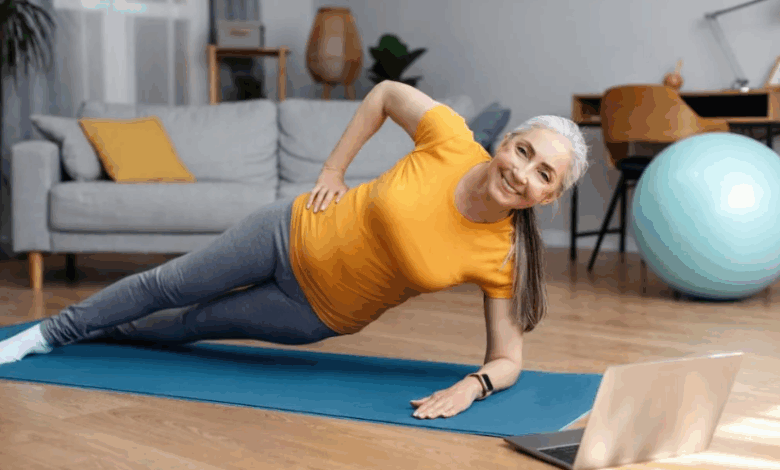
In a world where many individuals spend hours seated behind desks or stuck in stationary postures, the importance of maintaining a good posture and core strength cannot be overstated. Good posture not only contributes to a more confident appearance, it also plays a crucial role in overall health and wellbeing. Stability and postural alignment are essential for efficiency in movement and for preventing musculoskeletal issues. Pilates, a low-impact exercise regimen, has emerged as an excellent method to develop these aspects of physical health right at home.
Understanding the Role of Pilates in Posture Correction
Pilates is a form of exercise that emphasises the balance of the body through core strength, flexibility, and awareness in order to support efficient, graceful movement. It was developed by Joseph Pilates in the early 20th century and has since gained mainstream popularity as a comprehensive approach to physical fitness. One of Pilates’ primary focuses is on the alignment of the spine and strengthening the muscles that contribute to good posture.
Core Strength: The Foundation of Good Posture
The body’s core is often referred to as the powerhouse of the body. It includes muscles of the abdomen, lower back, hips, and pelvis. Pilates targets these areas with precision, helping to reinforce the muscle groups responsible for maintaining upright posture and providing the necessary support to the spine. With regular practice, individuals can expect to see improvements in the way they sit, stand, and move.



Benefits of Practising Pilates at Home
One of the advantages of Pilates is that it can be practiced in the comfort of one’s own home. This convenience eliminates barriers such as travel time to a studio and allows one to fit workouts into a busy schedule. Additionally, the tranquil and familiar environment of home can enhance focus and relaxation during practice, thereby maximising the benefits. With a range of pilates equipment for home use, individuals can tailor their workouts to suit their personal needs and progress.
At-home Pilates equipment can vary, from smaller items such as bands and balls to more extensive installations like a pilates reformer machine. Each has its own unique benefits and can be used to enhance the Pilates experience, providing resistance and support to further challenge and develop the body’s core.
See also: How Small Health Clues Can Reveal Bigger Patterns
Choosing the Right Pilates Equipment for Home Use
There is a wide array of equipment available for those looking to embark on or enhance their Pilates journey at home. Small mats, resistance bands, and exercise balls can be excellent starting points and offer a lot of versatility for a variety of exercises. However, for those seeking a more comprehensive and professional-grade approach, investing in a reformer can be a game-changer.
A reformer is a traditional piece of Pilates equipment, consisting of a sliding carriage, springs for adjustable resistance, and straps for hands and feet. This apparatus allows for a wide range of motion and exercises that can be modified for different skill levels, making it an effective tool for both beginners and seasoned practitioners alike.
How a Pilates Reformer Improves Posture
The Pilates reformer machine encourages proper alignment while providing a dynamic resistance environment. This means that as one works out on the reformer, not only are they sculpting and toning muscles, but they’re also training their body to adopt a better posture naturally. The controlled, deliberate movements required on a reformer help build muscle memory for correct posture even outside of workout sessions.
Developing Stability with Pilates
Stability is another vital component that Pilates excels in fostering. Exercises performed on the mat or a reformer improve balance and coordination, which is integral to maintaining an upright posture and preventing falls, especially as one ages. This is achieved by targeting the body’s smaller stabiliser muscles that are often neglected in other forms of exercise.
Personalisation of Pilates Routines
Pilates is well-known for its adaptability to different bodies and fitness levels. Whether one is dealing with an injury or is looking to challenge themselves, routines and exercises can be tailored. Equipment such as a reformer allows for this personalisation with its adjustable settings. The springs can be modified to various resistance levels to either reduce strain on sensitive areas or increase challenge for muscle building.
Consistency is Key
As with any exercise regimen, consistency is paramount for seeing results in posture and stability improvements. Integrating Pilates into a daily or weekly routine can provide cumulative benefits, and utilising pilates equipment for home use can support a disciplined practice. Keeping regular sessions and gradually increasing the difficulty level over time will result in visible and lasting enhancements to both posture and core strength.
Pilates as a Lifelong Practice
Pilates isn’t merely an exercise trend; it’s a sustainable practice that can be incorporated throughout a person’s lifetime. Its focus on the core and postural muscles makes it not just about fitness but also about maintaining functionality and a high quality of life. It’s an investment in the long-term health and posture of anyone who practices it.
Taking the First Step
Taking the first step towards better posture and core stability can be as simple as choosing to adopt a Pilates regimen at home. With the right mindset and the proper equipment, one can embark on a journey that not only enhances physical appearance but also boosts overall health and day-to-day functionality.
In conclusion, Pilates offers numerous benefits when it comes to improving posture and building core strength, especially when practiced from the comfort of one’s home. By incorporating appropriate Pilates equipment, such as a reformer, one can ensure a versatile, comprehensive workout that addresses the pillars of good posture and stability. Embrace the transformative power of Pilates and make a commitment to a stronger, healthier self.