Modern enterprises are undergoing a structural shift in how workforce presence is recorded, verified, and analysed. Traditional attendance systems—ranging from manual registers to card-based punch systems—were designed for environments where workforce movement was predictable and centralized. Today’s organisations operate in distributed, high-mobility, and data-driven environments where these legacy systems no longer provide sufficient accuracy or operational visibility.
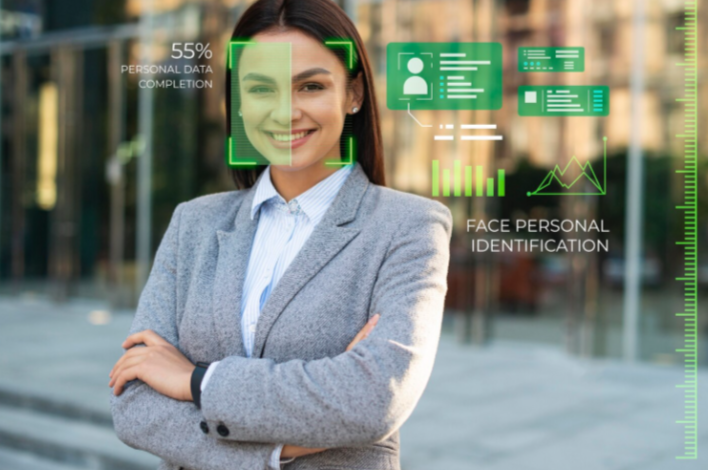
Face recognition attendance systems have emerged as a critical component of modern workforce infrastructure. By combining artificial intelligence with biometric identity verification, these systems enable organisations to authenticate employees instantly, record attendance with high precision, and integrate workforce data into broader operational systems.
Across corporate, industrial, and government sectors, adoption is accelerating as organisations prioritise accuracy, automation, and real-time workforce intelligence.



The Shift Toward Intelligent Workforce Verification
Attendance systems have evolved through distinct phases of development. Early systems focused on manual entry logs. Later, biometric tools such as fingerprint scanners improved accuracy but still required physical interaction and device dependency.
The current phase is defined by AI-driven identity verification.
Face recognition systems do not simply record presence; they validate identity in real time using biometric facial mapping and machine learning algorithms. This reduces dependency on physical credentials and minimises opportunities for proxy attendance or manual manipulation.
Modern enterprises are increasingly using these systems as part of integrated workforce platforms rather than standalone attendance tools.
In this context, attendance data becomes part of a wider digital infrastructure supporting workforce planning, compliance, and operational analytics.
The Foundations of Modern Face Recognition Attendance Systems
The adoption of face recognition attendance systems in enterprise environments can be understood through three core operational foundations.
1. Frictionless Identity Verification
Face recognition enables employees to authenticate identity without physical contact or manual input. The system automatically detects facial features and matches them against encrypted biometric records.
This significantly reduces entry delays in high-traffic environments such as corporate offices, manufacturing facilities, and government institutions.
Frictionless verification improves operational efficiency while maintaining strict identity assurance standards.
2. Touchless Operational Security
Modern workplace environments increasingly prioritise hygiene, speed, and automation. Face recognition supports touchless attendance workflows by eliminating the need for cards, fingerprints, or physical interaction with devices.
This capability is particularly relevant in environments where large employee groups pass through access points simultaneously.
Touchless verification also reduces wear-and-tear on hardware systems, improving long-term operational reliability.
3. Real-Time Workforce Intelligence
Face recognition attendance systems generate immediate, structured workforce data. This data can be integrated into HR systems, access control platforms, and enterprise dashboards.
Organisations gain visibility into:
- employee presence patterns
- shift adherence
- workforce density across sites
- attendance anomalies
- operational readiness
This transforms attendance systems into real-time workforce intelligence platforms rather than administrative tools.
AI-Driven Verification and Accuracy Enhancement
Artificial intelligence plays a central role in improving the accuracy and reliability of face recognition systems.
Modern systems use deep learning models to analyse facial geometry, adjust for environmental variations, and improve recognition consistency over time.
These systems can operate effectively under:
- variable lighting conditions
- large-scale employee environments
- multiple entry points
- dynamic workforce movement
AI also reduces false acceptance and false rejection rates by continuously refining recognition accuracy based on system usage patterns.
In enterprise environments, this leads to more reliable attendance records and reduced administrative correction cycles.
Adoption Trends Across Corporate, Industrial, and Government Sectors
Face recognition attendance systems are experiencing widespread adoption across multiple sectors due to their scalability and integration capabilities.
Corporate Sector
Corporate organisations are adopting these systems to streamline multi-location workforce management. As hybrid work models expand, organisations require consistent attendance tracking across offices, branches, and shared workspaces.
The ability to centralise attendance data improves workforce planning and operational coordination.
Industrial Sector
Industrial environments benefit from fast, high-volume identity verification. In manufacturing, logistics, and construction sectors, shift-based operations require systems that can process large groups efficiently.
Face recognition reduces congestion at entry points and improves shift accuracy tracking.
Government Sector
Government institutions require high levels of accountability and auditability. Face recognition systems provide verifiable identity-based attendance records that support compliance requirements and workforce governance frameworks.
These systems also improve standardisation across multiple departments and facilities.

Integration with Enterprise Security and Workforce Systems
Face recognition attendance systems are increasingly deployed as part of integrated enterprise ecosystems.
They connect with:
- access control systems
- visitor management platforms
- HR and payroll systems
- workforce analytics dashboards
- security monitoring systems
This integration ensures that attendance events are not isolated records but part of a unified operational data environment.
For example, a single face recognition event can simultaneously:
- verify identity
- record attendance
- trigger access control actions
- update workforce dashboards
This reduces duplication of processes and improves system-wide efficiency.
Strategic Role in Future-Ready Enterprises
Future-ready enterprises are increasingly defined by their ability to integrate identity, data, and operational systems into unified digital infrastructures.
Face recognition attendance systems support this objective by linking workforce identity with real-time operational data.
This positions attendance systems as strategic infrastructure rather than administrative tools.
Organisations that adopt these systems gain a more complete understanding of workforce dynamics, enabling more informed planning, resource allocation, and compliance management.
AL Maha Business Systems provides advanced face recognition attendance solutions designed to support modern enterprise environments across Oman. By combining AI-driven identity verification, touchless attendance processes, and integrated workforce management systems, organisations can improve accuracy, enhance operational visibility, and strengthen overall workforce control.
As enterprises continue to evolve toward intelligent, data-driven operations, face recognition attendance system are becoming a foundational component of future-ready workforce infrastructure.
Get in touch for a quick quote.
About the Author
The author is a security systems and enterprise technology researcher specialising in modern access control, biometric authentication, and intelligent workplace infrastructure. Their analysis focuses on the adoption of AI-enabled systems across corporate, industrial, and public sector environments, with particular emphasis on operational efficiency, compliance, and digital transformation.