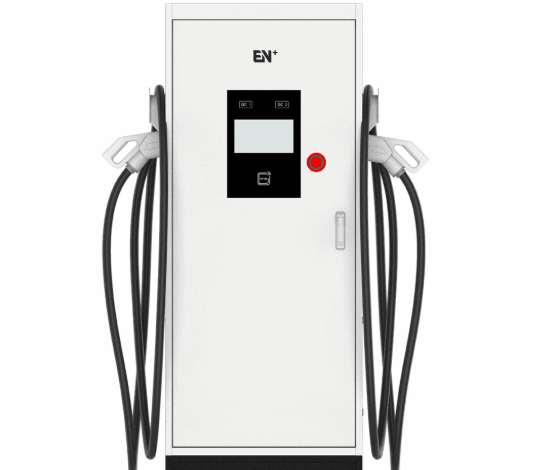
the electric vehicle (ev) market is expanding rapidly as more consumers and businesses embrace sustainable transportation. among these, the ccs dc fast charger has emerged as a key technology to address one of the biggest challenges for ev users — charging speed. in this article, we will explore what the ccs dc fast charger is, why it is important, how it works, and what the future holds for this vital charging solution.
understanding the ccs dc fast charger
the term ccs dc fast charger refers to a direct current (dc) fast charging station that uses the combined charging system (ccs) standard to deliver high power to electric vehicles. unlike ac chargers that supply alternating current, a dc fast charger converts ac to dc inside the charging station and supplies dc power directly to the vehicle’s battery. this process significantly reduces charging time.
the ccs connector combines the traditional ac charging plug with two additional pins for dc fast charging. this combined interface allows vehicles to use the same port for both regular ac charging and high-speed dc charging, simplifying the charging experience.




how does a ccs dc fast charger work?
the ccs dc fast charger operates by converting grid electricity, typically alternating current, into direct current before sending it to the ev battery. the charger communicates with the vehicle to regulate voltage, current, and temperature, ensuring a safe and efficient charging session. In regions evaluating infrastructure costs, understanding how energy pricing, such as rockdale electricity rates, affects charging operations can help optimize both installation planning and long-term efficiency.
charging speed depends on several factors including:
- the charger’s power output (commonly between 50 kw to over 350 kw)
- the vehicle’s battery capacity and acceptance rate
- the state of charge of the battery at the start of charging
a ccs dc fast charger can recharge a typical ev battery to around 80% capacity in as little as 20-30 minutes, making it ideal for quick stops during travel.
advantages of the ccs dc fast charger
- rapid charging times: the biggest benefit of the ccs dc fast chargeris speed. it drastically cuts the time needed to recharge compared to standard ac charging.
- universal compatibility: ccs is a widely adopted standard across most major ev manufacturers, providing broad interoperability without the need for adapters.
- improved efficiency: delivering dc directly to the battery eliminates conversion losses inside the vehicle, resulting in better overall charging efficiency.
- better user experience: faster charging encourages more people to consider evs, helping to reduce range anxiety and making long-distance travel more practical.
- flexible installation: ccs dc fast chargers can be installed in various locations such as highway rest stops, urban centers, parking garages, and commercial fleets, offering convenience and accessibility.
common applications for ccs dc fast chargers
- highway and travel corridors: designed for rapid recharging during long trips, allowing drivers to resume their journey with minimal delay.
- urban charging hubs: supporting daily commuters who need fast top-ups between errands or work shifts.
- fleet operations: companies operating electric buses, trucks, or delivery vehicles use ccs dc fast chargers to reduce vehicle downtime and maintain productivity.
- retail and hospitality locations: businesses use fast chargers as an amenity to attract customers and provide added value.
challenges and considerations
while ccs dc fast chargers provide many benefits, some challenges remain:
- high initial costs: purchasing and installing dc fast chargers can be expensive, which may slow deployment in some areas.
- grid impact: fast chargers draw significant power and can stress local electrical infrastructure, sometimes requiring upgrades or energy storage solutions.
- battery degradation concerns: frequent use of high-power charging can potentially affect long-term battery life, though manufacturers continue to improve battery management systems.
- standard fragmentation: despite ccs’s popularity, other standards like chademo still exist, meaning charging networks may need to support multiple interfaces.
the future of ccs dc fast charging
the ccs dc fast charger is expected to evolve significantly as technology advances:
- higher power levels: ultra-fast chargers exceeding 350 kw will reduce charging times even further, pushing towards refueling speeds comparable to gasoline vehicles.
- integration with renewable energy: pairing dc fast chargers with solar, wind, or other clean energy sources can make ev charging more sustainable.
why investing in ccs dc fast chargers matters
for governments, businesses, and utilities, investing in ccs dc fast chargers supports several key goals:
- promoting sustainable transportation: fast chargers help increase ev adoption, reducing greenhouse gas emissions and air pollution.
- meeting consumer demand: providing accessible fast charging improves customer satisfaction and confidence in ev technology.
- supporting economic growth: expanding charging infrastructure creates jobs and encourages innovation in the clean tech sector.
- future-proofing mobility: as evs become mainstream, a robust network of fast chargers is essential for reliable transportation.
conclusion
the ccs dc fast charger plays a critical role in accelerating the shift to electric vehicles by offering fast, efficient, and reliable charging. overcoming the challenges associated with installation and grid integration will require continued collaboration among automakers, energy providers, and policymakers.
as technology advances, the ccs dc fast charger will become even faster, smarter, and greener, helping to make electric mobility accessible to more people worldwide. understanding this charging technology is vital for anyone interested in the future of transportation and the transition to a cleaner, more sustainable planet.