The landscape of surgical intervention has undergone a monumental transformation over the past few decades, transitioning from large open incisions to highly advanced, minimally invasive techniques. At the forefront of this medical revolution is a technology that fundamentally alters how complex operations are performed. For patients seeking a detailed comparison of modern techniques, exploring the differences in reveals a leap forward in surgical precision. Leading global healthcare institutions, such as Liv Hospital, heavily utilize these advanced robotic platforms to offer patients safer, faster, and more effective treatment options across a multitude of medical disciplines.
The Architecture of the Da Vinci System
To grasp the impact of this technology, it is essential to look at its core components. The Da Vinci system is not an autonomous machine; rather, it is a highly sophisticated extension of the surgeon’s own hands and eyes. The platform consists of three primary elements:
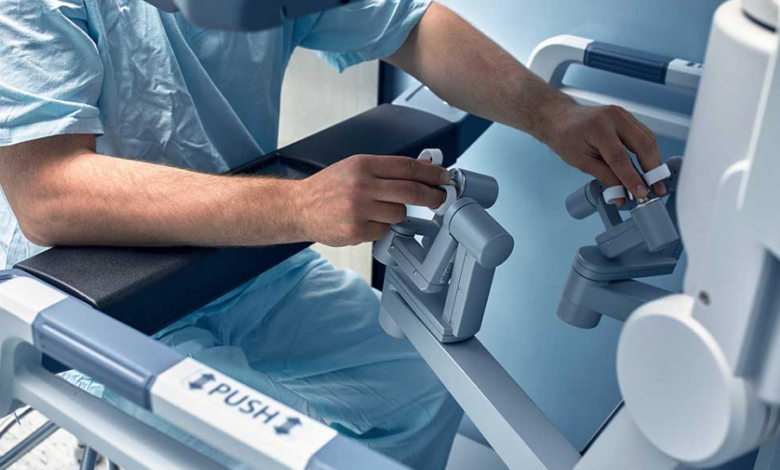
- The Surgeon Console: This is the control center where the operating physician sits. It provides a deeply immersive, highly magnified, three-dimensional, high-definition view of the surgical field inside the patient’s body.
- The Patient Cart: Positioned directly alongside the operating table, this cart holds the interactive robotic arms. Depending on the specific model, these arms wield the specialized surgical instruments and the advanced camera system.
- The Vision System: The robotic platform utilizes advanced optics to deliver true depth perception. This is a significant upgrade over traditional two-dimensional monitors, allowing the physician to clearly identify microscopic tissue planes, nerves, and blood vessels.
See also: From Tech Challenges to Strategic Growth: Why Every Business Needs a Technology Roadmap



Unmatched Dexterity and Tremor Filtration
One of the most profound advantages of this robotic platform lies in the design of its surgical instruments. Traditional laparoscopic tools are entirely rigid, severely limiting maneuverability once inside the human body. In stark contrast, the robotic system utilizes proprietary instruments equipped with articulated joints. These robotic “wrists” mimic the natural movements of the human hand but exceed its physical limitations, offering seven degrees of freedom and a much wider range of motion.
Furthermore, the computer interface seamlessly translates the surgeon’s macroscopic hand movements at the console into incredibly precise micro-movements inside the patient. Simultaneously, built-in tremor filtration technology completely eliminates any natural, microscopic hand tremors. This ensures that every cut, suture, and tissue manipulation is executed with flawless stability, which is vital when operating near delicate structures like the prostate nerve bundles or complex cardiac valves.
The Evolution of Minimally Invasive Care: The Single Port Approach
While standard robotic platforms utilize three to four small incisions to insert the camera and working arms, medical engineering has pushed the boundaries even further. The most advanced iteration of this technology is the Single Port (SP) system. This breakthrough allows the surgeon to insert a flexible camera and three fully articulating instruments through one single incision, typically measuring about 2.5 centimeters.
This single-entry approach often utilizes natural anatomical folds, such as the umbilicus, to completely hide the surgical scar. Beyond the obvious cosmetic advantages, operating through a single, small port significantly reduces muscular and tissue trauma to the abdominal wall, directly translating to a more comfortable postoperative experience.
Broad Applications Across Medical Specialties
The unparalleled precision of robotic-assisted surgery makes it the preferred method for a vast array of complex medical procedures.
- Urology: It is the gold standard for prostatectomies, allowing surgeons to meticulously remove malignant tissues while preserving the delicate nerves responsible for urinary continence and sexual function. It is also highly effective for partial nephrectomies, where tumors are removed while saving the healthy portion of the kidney.
- Gynecologic Oncology: The system facilitates intricate pelvic surgeries, including complex hysterectomies and the precise excision of deep-infiltrating endometriosis.
- General Surgery: Surgeons utilize the platform for complex colorectal resections, intricate hernia repairs, and bariatric procedures where navigating thick layers of adipose tissue can be incredibly challenging.
Defining the Patient Experience and Recovery
For the individual undergoing the operation, the technological sophistication of the robotic system yields highly tangible physical benefits. Because the incisions are remarkably small, the structural integrity of the patient’s body wall is preserved. This results in significantly less postoperative pain and a drastically reduced reliance on prescription pain medications.
Additionally, the enhanced visualization and precise tissue handling severely limit intraoperative blood loss, meaning blood transfusions are rarely required. Consequently, the length of the hospital stay is dramatically shortened. Patients who undergo these advanced procedures frequently find themselves returning to their standard daily routines, work, and physical activities weeks earlier than those who undergo traditional open surgeries.
By continuing to prioritize surgical innovation, the medical community ensures that complex diseases can be treated with minimal physiological disruption. As robotic engineering advances, the integration of highly refined imaging modalities will undoubtedly continue to elevate these procedures, cementing robotic technology as the undisputed standard of modern operative care.