Minimalist, Maximalist, or Something In Between: Choosing the Right Approach for Your San Marcos Business

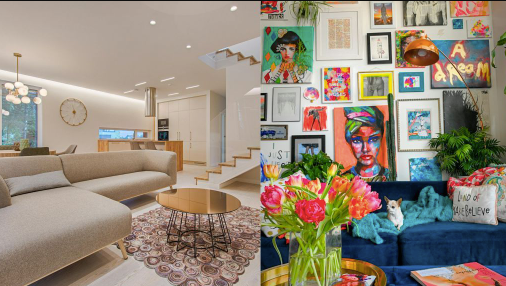
Design discussions often pit minimalism against maximalism—clean white space versus bold patterns, simple versus complex, and less versus more. These debates miss a fundamental point: most successful websites occupy middle ground, and the right choice depends entirely on your business, your customers, and your objectives. Selecting a design philosophy because it appears trendy resembles choosing a vehicle based on color rather than functionality. We design in San Marcos, TX by understanding business needs first, not by following design movements.
Defining the Approaches
Minimalism means clean layouts with ample white space, limited color palettes (typically black, white, and one accent), simple typography, and few decorative elements. Everything reduces to functional necessity. Apple product pages and high-end fashion sites exemplify this approach.
Maximalism employs rich colors and patterns, layered elements, mixed typography, and decorative details. Visual abundance characterizes the style, with multiple elements competing for attention. Vintage posters and eclectic art galleries demonstrate this aesthetic.




The Middle Ground is where most sites actually exist—professional without starkness, interesting without overwhelming. Successful business websites typically borrow principles from both extremes rather than committing fully to either.
When Each Approach Works
Minimalism Fits:
- Luxury brands emphasizing exclusivity
- Professional services (law, finance, consulting) where trust matters most
- Technology companies positioning themselves as modern and efficient
- Sites with complex functions requiring interface clarity
- Content-heavy sites where text dominates
Benefits include fast loading, mobile compatibility, easy maintenance, timeless appearance, and focused user attention. Drawbacks include potential coldness, lack of personality, generic appearance if poorly executed, and risk of boring visually-oriented audiences.
Maximalism Suits:
- Creative industries demonstrating artistic capability
- Brands targeting younger, trend-conscious audiences
- Retail emphasizing product variety and excitement
- Entertainment and hospitality creating immersive experiences
- Niche brands where differentiation outweighs mass appeal
Benefits include strong first impressions, memorability, clear personality, and visual engagement. Drawbacks include slower loading, mobile challenges, potential user overwhelm, aging faster, and increased maintenance complexity.
What Actually Drives the Decision
Industry Standards
Some fields maintain established visual expectations. Medical practices need to convey cleanliness and professionalism—minimalism typically fits. Art galleries can embrace maximalism as demonstration of curatorial vision. Departing from industry norms requires clear strategic justification.
Customer Characteristics
Who visits your site, and what do they need to accomplish? Older professionals often prefer straightforward layouts. Younger audiences may appreciate bold approaches. B2B buyers want efficiency. B2C shoppers may seek excitement. Understanding your specific audience matters more than following general design trends.
Business Objectives
Conversion-optimized sites typically lean minimalist—fewer distractions create clearer paths to action. Sites building brand identity and emotional connection can use maximalist elements for memorable experiences. The priority between efficiency and impression depends on your specific business model.
Available Resources
Maximalist sites cost more to build and maintain, requiring more design time, development complexity, and ongoing updates. Minimalist sites, despite appearing simple, still demand skill but generally cost less to implement and update. Budget constraints affect what remains realistic.
Making an Informed Choice
Critical Questions
What immediate impression do you want to create? What tasks should visitors accomplish? How do main competitors approach design? What reflects actual brand personality rather than aspirational trends?
Testing Over Assumptions
Create mockups of both approaches. Present them to actual customers, not staff already familiar with your business. Observe interaction patterns. Ask what they remember. Measure which approach helps them complete tasks more efficiently.
See also: Cleveland Business Tech Services: Local Expertise, Global Infrastructure
Balanced Middle Ground
Most sites benefit from selective complexity. Apply visual richness where it serves your narrative. Maintain clarity where users must take action. Hero sections can be bold while service descriptions stay clean. Product pages can show personality while checkout remains simple.
Long-Term Considerations
How will this design age? Can you afford redesign when the appearance feels dated? Minimalist approaches tend to age better. Maximalist designs may require more frequent refreshing. Factor these considerations into total ownership cost.
Application for San Marcos Businesses
Location matters less than business type, though local context provides some guidance. San Marcos serves university populations, tourists, and residents with varied needs.
A restaurant might use maximalism to convey energy and abundance. An attorney should likely maintain minimalism to convey professionalism. A boutique could choose either direction depending on target demographic.
The relevant question is not which design philosophy appears trendy currently. Rather, what helps your specific customers understand your offerings and take desired actions?
Effective design serves business objectives. Style without strategy is simply decoration. Most businesses succeed not by committing to design extremes but by thoughtfully combining elements that serve their unique situations—enough visual interest to create engagement, sufficient clarity to enable action, and appropriate personality to build connection with their specific audience.
The best approach for your business is the one that helps you achieve your goals, not the one that wins design awards or follows current movements.