Key Takeaways
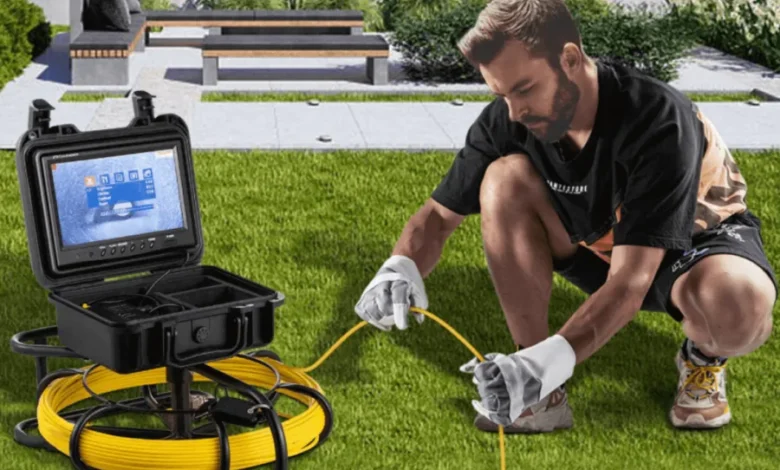
Sewer crawler cameras allow for non-invasive inspections of drain systems. This technology removes the guesswork and minimizes the need for excavation.
Real-time feedback is a critical advantage, enabling technicians to make informed decisions on the spot and offer clients immediate insights.
Equipped with high-definition imagery, crawler cameras enhance diagnostic accuracy by pinpointing issues that traditional methods might overlook.


These cameras find their applications in both commercial and residential environments, with commercial settings focusing on larger infrastructures and timely inspections to prevent disruptions in operations.
During an inspection, technicians gather live data, analyze the footage in real time, and compile detailed reports summarizing their findings and recommendations for clients.
Typically, inspections for residential properties take less than an hour. Afterward, clients receive thorough reports featuring visual documentation and analysis.
Many still hold misperceptions about sewer camera inspections, commonly believing they’re only useful for visible problems. In truth, these cameras can uncover hidden issues, making them essential for proactive property maintenance.
Why Choose Sewer Crawler Cameras for Drain Inspections?
Discover the Latest Benefits of Visual Inspections
In today’s world, where precision and efficiency matter, businesses are embracing innovative tools like sewer crawler cameras. These devices offer unparalleled visibility into drain systems, allowing for precise assessments without intrusive methods. Traditional inspections often carry the risk of guesswork, but professionals suggest that visual inspections through these advanced cameras remove much of that uncertainty.
Not only do sewer crawler cameras cut down on excavation, but they also provide instantaneous feedback. This real-time data allows technicians to make quick decisions, and clients benefit from immediate insights into their plumbing issues— a stark contrast to the delays common with results from conventional methods. Just picture it: having a camera traverse through the pipes creates a detailed map of what’s going on below ground.
Read Also: The Blueprint for Modern Aging in Place: Integrating Personal Care, Companionship, and Smart Tech
Key benefits include:
- Non-invasive diagnostics: Say goodbye to unnecessary digging.
- Crisp imagery: Effortlessly identify issues such as cracks, blockages, and corrosion.
- Real-time results: Tools for prompt decisions and immediate actions.
How Crawler Technology Enhances Diagnostic Accuracy
The technology behind sewer crawler cameras is genuinely impressive. High-definition cameras mounted on flexible cables navigate effortlessly through pipes. This flexibility allows for smooth navigation around tight corners and rough patches, capturing footage generally missed by traditional methods. Experts emphasize that the detailed visuals produced by crawler technology lead to greater diagnostic accuracy.
Imagine diagnosing a problem with pinpoint precision; clients no longer need to wonder what’s hidden beneath their drains. The data collected can identify potential issues before they escalate, saving time, frustration, and even money. It’s a significant advantage, and businesses value the reduced liability and enhanced transparency that this technology affords.
Key enhancements of crawler technology include:
- Versatile maneuverability: Easily access hard-to-reach areas.
- Detailed documentation: Create video and photographic records for future reference.
- Automated analysis tools: Some models come equipped with AI-supported diagnostics.
Real-World Applications: Where Are Sewer Crawler Cameras Used?
Exploring Commercial vs. Residential Drain Inspections
Examining the applications of sewer crawler cameras necessitates a distinction between commercial and residential uses. Each context has unique requirements and expectations; however, both can derive significant benefits from this advanced technology. In commercial settings, where larger infrastructures are involved, the stakes are raised; delays can lead to substantial losses.
For instance, large companies often deploy crawler cameras to inspect sewer lines in shopping malls or industrial facilities. Efficient, timely inspections can help avoid costly disruptions to business operations. Conversely, residential clients typically seek rapid solutions to urgent problems, such as frequent clogs or backups, prioritizing quick service and clear communication.
This disparity results in notable differences regarding the inspection process. Here are the primary distinctions:
- Scope of inspection: Commercial inspections usually cover larger systems, while residential ones are more diagnostic-focused.
- Regulatory compliance: Commercial properties often face stricter regulations.
- Time sensitivity: Businesses cannot afford lengthy downtimes.
Unique Scenarios That Demand High-Tech Solutions
In certain scenarios, sewer crawler cameras become indispensable. Take underground parking garages, for example, where complex drainage systems exist. Or consider older buildings with outdated plumbing, which often require thorough assessments to expose hidden problems. Such situations call for high-tech solutions.
Expert insights reveal that using crawler cameras can spotlight potential nightmares before they escalate. And in emergencies, like severe flooding, quick action is crucial. Employing these cameras can swiftly identify the source of disruptions, facilitating prompt repairs.
Noteworthy applications include:
- Pre-purchase inspections: Buyers can avoid surprises during property transactions.
- Routine maintenance checks: Preventative measures ensure long-term functionality.
- Post-repair verification: Confirm the success of previous repairs.
What Clients Can Expect During a Crawler Camera Inspection
Step-by-Step Breakdown of the Inspection Process
Understanding the inspection process helps alleviate concerns and fosters trust. Typically, this process begins with a technician assessing the property and discussing potential problem areas. Afterward, the technician prepares the sewer crawler camera for insertion into a designated access point, typically a cleanout or manhole.
Once the camera is in position, crucial data begins to flow. Imagery streams live back to the technician, who analyzes the information in real time. This immediate feedback enables swift decisions based on findings, whether that involves arranging repairs or pursuing further investigations. When the camera survey concludes, the data is compiled, often culminating in a detailed report summarizing all findings.
Here’s a look at the typical steps involved:
- Initial consultation: Discuss concerns and identify surveying targets.
- Camera insertion: Monitor the footage as it captures real-time data.
- Final report generation: Thorough follow-up documentation is provided to clients.
Timelines and Reporting: What’s Included
Timelines for sewer crawler camera inspections can vary based on project size but generally remain efficient. Most residential inspections take under an hour, while commercial inspections may take longer due to the complexities of the systems involved. However, speed doesn’t equate to a lack of depth; a brief inspection can yield valuable information overlooked in less sophisticated evaluations.
Following the inspection, clients receive detailed reports often accompanied by photographic or video evidence. This aspect conveys professionalism and establishes trust. Clear explanations accompany the visuals, detailing what they reveal and recommending follow-up actions. The aim is transparency, ensuring clients feel informed and supported.
A typical report will include:
- Visual documentation: Screenshots and video links for reference.
- Analysis of findings: Insights regarding each visual’s implications for the pipes’ condition.
- Recommended next steps: Specific action items for clients.
Maximizing Value: Tips for Effective Drain Inspections
Preparing Your Site for a Smooth Experience
Preparation is vital for a successful sewer camera inspection. Property owners sometimes overlook the importance of a tidy and accessible site. Ensuring that access points are clear can save time and streamline the inspection process, enabling technicians to get right to work.
Another critical element is communication with the inspection team. Clients should inform technicians about any known issues prior to the inspection. This sharing of information can optimize the approach, boosting both efficiency and effectiveness. Being proactive translates into better outcomes.
Here are some preparation tips:
- Clear access points: Make sure all entry areas are unobstructed.
- Provide background info: Share plumbing history and any previous issues with the team.
- Be available: Having someone on-site to address questions proves invaluable.
Common Misconceptions About Sewer Camera Use
Often, misconceptions cloud judgment. Many individuals mistakenly believe that sewer crawler cameras primarily address visible issues. The reality, however, is that these cameras uncover hidden problems, revealing what’s lurking out of sight.
Another prevalent misunderstanding is regarding inspections as unnecessary luxuries when they’re actually essential for maintaining any property. Clients should perceive these inspections as investments in the longevity of their property rather than mere expenses. Gaining clarity about the true capabilities and benefits of sewer crawler cameras opens the door to more proactive maintenance decisions.
Dispel misconceptions to pave the way for more informed choices:
- They’re not exclusively for emergencies: Regular inspections can prevent urgent issues.
- They’re accessible: Many companies offer affordable services.
- They reveal more than visible problems: Hidden issues become easier to pinpoint.
In summary, insights gained from sewer crawler cameras redefine the landscape of inspections. These cameras provide both immediate and long-term benefits, ensuring unmatched clarity and confidence in drain management. Through preparation, understanding, and open communication, clients can unlock the full potential of this innovative technology.
FAQ
What types of issues can sewer crawler cameras detect?
Sewer crawler cameras have the ability to identify a variety of problems, including blockages, cracks, leaks, and corrosion. They also excel at revealing root intrusions and other obstructions not usually detectable through standard inspection techniques.
How do I know if my property needs a sewer camera inspection?
If clients experience recurrent clogs, strange odors, or sluggish drains, those may indicate underlying issues. Even in the absence of noticeable problems, proactive inspections can be advantageous as they prevent surprises down the line.
What can property owners do to maintain their drainage systems after an inspection?
Regular maintenance should include scheduling periodic inspections, keeping drain lines free of debris, and avoiding disposal of non-biodegradable materials. Implementing preventive measures can enhance the longevity and efficiency of drainage systems.
How do sewer crawler cameras compare to traditional inspection methods?
Unlike traditional techniques, which often rely on physical probing and guesswork, sewer crawler cameras provide real-time visual feedback. They deliver sharper imagery and detailed insights, presenting a clearer view of the pipe’s condition without invasive digging.
Are sewer camera inspections environmentally friendly?
Yes, these inspections are eco-friendly as they don’t necessitate excavation, which can disrupt landscapes and ecosystems. The minimal disturbance associated with camera inspections helps to protect natural surroundings while still yielding crucial information.
Can sewer crawler cameras be used in all types of properties?
Absolutely, sewer crawler cameras possess versatility. They are suitable for both residential and commercial properties, adapting to various pipe sizes and configurations. This flexibility ensures that a broad range of drainage systems can benefit from advanced inspection techniques.
What should I do if the inspection reveals serious issues?
Should significant problems be uncovered, consulting with a qualified technician immediately is essential. They can provide recommendations for necessary repairs or actions, ensuring that any issues are promptly addressed before escalating into larger complications.
How frequently should inspections be scheduled?
Experts typically advise scheduling sewer camera inspections at least once every one to three years for most properties. However, properties with older plumbing systems or recurrent issues may need more frequent inspections to catch potential problems early.
Useful Resources
- American Public Works Association (APWA)
- National Association of Sewer Service Companies (NASSCO)
- Water Research Foundation
- Lidar Mapping Technologies
- World Wildlife Fund – Water Conservation
- Solid Waste Association of North America (SWANA)
- Pennsylvania Department of Environmental Protection
- Australian Government – Department of Agriculture, Water and the Environment
- Environmental Working Group (EWG)