For sole traders, the shift to Making Tax Digital (MTD) for Income Tax Self Assessment (ITSA) represents a major change in how financial records are kept and submitted to HMRC. Traditionally, many sole traders have relied on cash-based bookkeeping or spreadsheets. While these methods may have worked in the past, MTD for ITSA requires digital record-keeping using compatible software. This change is part of a wider government initiative to modernise tax administration and make it easier for businesses to keep accurate records. Sole traders who embrace this change early can benefit from more organised accounting and less stress at the end of the tax year.
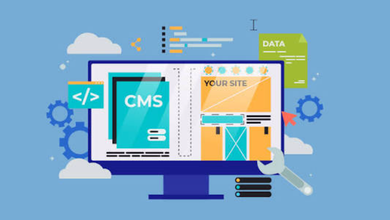
The first step in a smooth transition is selecting the right Making Tax Digital software. Modern MTD-compliant software allows sole traders to input their income and expenses, link bank accounts and generate reports automatically. This reduces the risk of missing transactions and ensures that all financial data is accurate when submitting ITSA returns. Many of these software solutions also allow integration with other business tools such as invoicing apps, making it easier to track income from multiple sources. Choosing the right software can save hours of manual work and provide peace of mind that all records are compliant.
Sole traders can begin by digitising their existing records. Receipts, invoices and expense logs can be scanned or imported directly into the software. Many tools offer mobile apps, so even cash transactions can be recorded on the go. Over time, this creates a fully digital accounting system, eliminating the need for physical ledgers or manual calculations. Digitising past records may take some time initially, but it provides a solid foundation for future compliance. Some software even allows users to take photos of receipts and automatically extract relevant information, reducing the risk of lost or misfiled documents.


Another key benefit is automation. Making Tax Digital software can categorise expenses, calculate tax liabilities, and alert users to potential errors before submission. This is particularly useful for sole traders who manage multiple income streams or operate in sectors with fluctuating expenses. By reducing human error, the software ensures compliance with HMRC rules while saving valuable time. Automated features also provide a clear audit trail, which can be extremely helpful in case of queries or reviews by HMRC. This means sole traders can focus more on running their business rather than worrying about paperwork.
Training and familiarisation are also important. Most MTD-compliant tools provide tutorials, guides, and customer support to help sole traders adapt quickly. By gradually moving from manual processes to automated workflows, businesses can maintain continuity while embracing digital compliance. Some software providers also offer webinars and community forums where users can share tips and solutions. Regular use and practice can make the transition smoother, ensuring that the digital system is reliable and efficient from the start.
In addition to compliance, digital record-keeping offers long-term business benefits. Financial insights from the software can inform business decisions, from budgeting and pricing to tax planning and investment. Sole traders can run reports to see which areas of their business are most profitable or identify unnecessary expenses. This allows for smarter decision-making and helps plan for growth. Over time, having accurate, real-time financial information can also improve cash flow management and reduce the likelihood of unexpected tax bills.
Transitioning from paper-based accounting to a fully digital system may seem daunting, but with the free Making Tax Digital software for sole traders can simplify compliance, reduce errors, and gain a clearer view of their business finances. By taking the first steps to digitise records and use MTD software, sole traders can save time, reduce stress, and stay fully compliant with HMRC. Adopting digital accounting early positions the business for future growth, helps with strategic planning, and ensures that the business is prepared for any changes in tax regulations.
Making the switch also provides flexibility. Many MTD tools are cloud-based, meaning sole traders can access their financial data anytime, anywhere. This is especially beneficial for those who work across multiple locations or manage their business while travelling. Cloud-based systems also offer automatic backups, reducing the risk of losing crucial financial information.
Finally, using MTD for ITSA can build confidence and transparency. Accurate digital records can make it easier to work with accountants or advisors, as information is always up-to-date and easily accessible. It also allows for better preparation for audits or inspections, as all transactions are clearly documented and traceable. Over time, this level of organisation can contribute to better financial health and improved business performance.