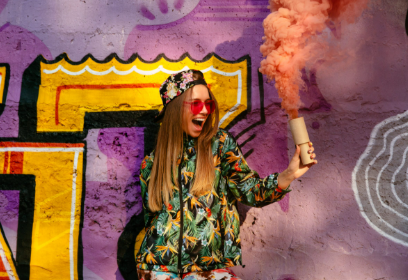
Modern fashion is increasingly shaped by the connection between artistic creativity and everyday clothing. What people wear can communicate their interests, cultural influences, and personal identity without requiring words. Streetwear has become particularly important in this area because it combines casual fashion with influences from music, art, photography, and urban life. Pivoboiz is an unusual name appearing in online discussions about creative clothing and street-inspired design. Although its exact organizational background remains difficult to verify, the artistic ideas associated with Pivoboiz provide an interesting opportunity to examine the relationship between urban culture and contemporary fashion.
Understanding the Meaning of Pivoboiz
Pivoboiz is presented in some online fashion content as a streetwear concept connected with creativity, individuality, and artistic collaboration. Descriptions commonly focus on casual clothing with graphic elements and designs influenced by urban environments. Some writers identify it as a fashion brand with roots in Southeast Asian street culture, but specific claims concerning its founders, geographic origins, and commercial achievements have not been independently confirmed.
The broader concept reflects how fashion can develop through creative communities rather than exclusively through established clothing companies. Independent designers frequently experiment with graphics, fabrics, and unconventional silhouettes, creating garments that express personal experiences and artistic interests.




The Relationship Between Urban Art and Fashion
Urban art and streetwear share several creative characteristics. Both frequently emphasize originality, visual expression, and connections with contemporary culture. Graffiti, murals, typography, and graphic illustration can influence clothing designs, allowing artistic concepts to become part of everyday fashion.
For example, an illustration originally designed for a wall mural may inspire a printed T-shirt or embroidered jacket. Similarly, geometric patterns found in city architecture can influence fabric prints and garment construction. These creative connections help explain why streetwear often feels more expressive than conventional casual clothing.
Pivoboiz-related descriptions place particular emphasis on this combination of artistic influences and wearable design. Such ideas demonstrate how clothing can function as a canvas for creative experimentation.
Visual Design Elements in Pivoboiz-Inspired Fashion
Typography and Graphic Prints
Typography is a powerful design element because it can communicate messages while contributing to the appearance of a garment. Designers experiment with different lettering styles, sizes, arrangements, and contrasts. A graphic T-shirt might feature oversized lettering across the front, while another garment may use small embroidered text as a subtle decorative feature. The placement and proportions of these elements can significantly influence the overall visual identity.
Colors and Creative Contrasts
Color selection also contributes to streetwear aesthetics. Neutral shades such as black, white, gray, and beige can create a foundation for stronger graphic elements. Bright colors may be introduced through printed illustrations, accessories, or contrasting fabric panels. Successful combinations depend on balance rather than simply adding as many colors as possible. A carefully selected accent color can make a relatively simple outfit feel distinctive.
Fabric and Texture
Different materials create different visual and practical effects. Cotton provides softness and breathability, denim offers structure, and technical fabrics may introduce water resistance or additional durability. Combining textures through layered clothing can make an outfit more interesting. A smooth jacket worn over a textured shirt creates contrast, while denim accessories can complement relaxed trousers.
How Creative Communities Influence Streetwear
Streetwear culture often develops through collaboration between people with different creative backgrounds. Graphic designers, photographers, musicians, and fashion enthusiasts may contribute ideas that influence clothing collections and visual campaigns. Social media makes these interactions easier by allowing artists to share their work directly with audiences.
Online communities also allow individuals to discover independent fashion labels and discuss emerging trends. However, claims about the size or commercial success of a particular community should be supported by reliable evidence.
The creative identity associated with Pivoboiz can be understood within this wider environment of artistic exchange and personal expression.
Why Individuality Matters in Modern Fashion
Personal style becomes more meaningful when clothing reflects individual preferences rather than only popular trends. Some people enjoy bold graphics, while others prefer subtle designs and neutral colors. Streetwear provides opportunities for both approaches because its basic garments can be combined in numerous ways.
Developing an individual style does not necessarily require expensive clothing. Thoughtful color combinations, suitable sizing, and carefully selected accessories can make simple garments visually appealing.
The Influence of Digital Culture
Digital platforms have changed how fashion ideas are shared and discovered. Independent creators can publish illustrations, showcase garments, and communicate with interested audiences without depending entirely on traditional retailers. Fashion photography and short-form videos also help people understand how clothing appears in everyday environments.
These developments have encouraged greater experimentation, making urban fashion increasingly diverse.
See also: Public Liability Claims Under Australian Negligence Law
Conclusion
Pivoboiz offers an interesting subject for examining how streetwear connects artistic creativity with contemporary cultural identity. Although its specific history requires further verification, the themes associated with the name reflect important characteristics of modern urban fashion. Graphic design, material experimentation, community participation, and personal styling all contribute to clothing that allows individuals to express themselves through creative choices.


