Construction companies and contractors often store valuable assets such as excavators, cranes, bulldozers, generators, and diesel fuel tanks in remote machinery yards that are left unattended for extended periods. While these storage areas provide convenient access to equipment near project sites, they also present significant security challenges. The absence of on-site personnel makes these locations attractive targets for criminals seeking to steal heavy machinery, siphon fuel, or vandalize expensive equipment.
Equipment theft can result in substantial financial losses, project delays, increased insurance costs, and disruptions to construction schedules. Similarly, acts of sabotage or vandalism can damage critical machinery, forcing contractors to spend additional time and money on repairs or replacements. Protecting these high-value assets requires a comprehensive security strategy that combines physical barriers with effective surveillance and access control.
One of the most reliable methods of securing remote machinery yards is the installation of a rigid security fence around the entire perimeter. High-strength fencing acts as a powerful physical deterrent, making unauthorized entry significantly more difficult. Unlike temporary barriers, rigid security fencing offers long-term durability and can withstand attempts at forced entry while still providing clear visibility for mobile security patrols, CCTV cameras, and site managers monitoring the facility.



To further strengthen perimeter protection, many contractors install razor wire or other anti-climb security solutions along the top of fencing. Razor wire creates an additional obstacle that discourages intruders from climbing over the fence and helps eliminate weak points around isolated corners or remote sections of the perimeter. This added layer of security is particularly valuable for job sites located far from populated areas, where immediate law enforcement response may not always be possible.
See also: Home Improvement Guide: Adding a Custom Garage to Increase Property Value
For projects involving high-value equipment or long-term infrastructure development, contractors often require more robust containment systems than fencing alone can provide. Fuel storage tanks, diesel bladders, generator banks, and other critical assets benefit from heavy-duty protective barriers capable of resisting vehicle impact and unauthorized access. When evaluating site containment solutions, finding a commercial hesco barrier for sale enables contractors to construct strong, impact-resistant perimeter defenses that provide enhanced security for sensitive equipment and storage areas.
Hesco barriers are widely recognized for their strength, durability, and versatility. Originally developed for military and emergency applications, they are now frequently used on construction sites to protect valuable assets, control vehicle access, and reinforce vulnerable areas. Their modular design allows contractors to rapidly deploy protective walls that can withstand harsh weather conditions while providing long-term security throughout the duration of a project.
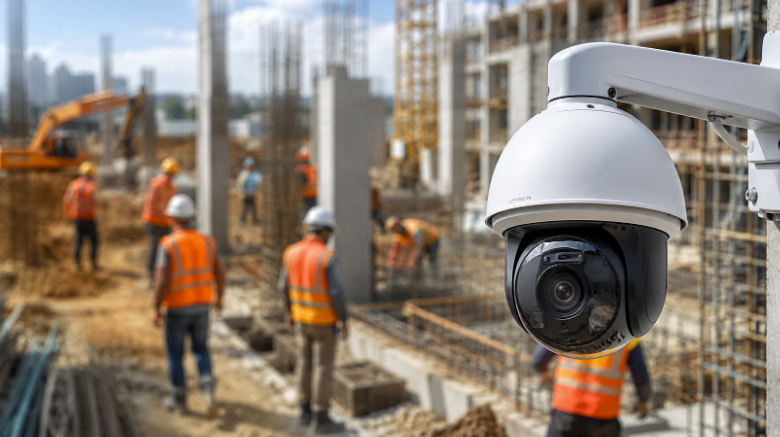
In addition to physical barriers, contractors should consider integrating modern security technologies such as motion-activated lighting, surveillance cameras, remote monitoring systems, intrusion detection sensors, GPS equipment tracking, and controlled access gates. These technologies work together to provide real-time visibility into site activity and allow security teams to respond quickly to suspicious behavior before significant losses occur.
Ultimately, preventing theft and sabotage in remote machinery yards requires a layered security approach. Combining rigid perimeter fencing, razor wire, heavy-duty Hesco barriers, and advanced surveillance systems creates a comprehensive defense that protects valuable construction equipment, minimizes operational disruptions, and helps contractors maintain productivity throughout long-term projects. Investing in effective site security not only safeguards expensive assets but also reduces financial risk and ensures construction projects remain on schedule.