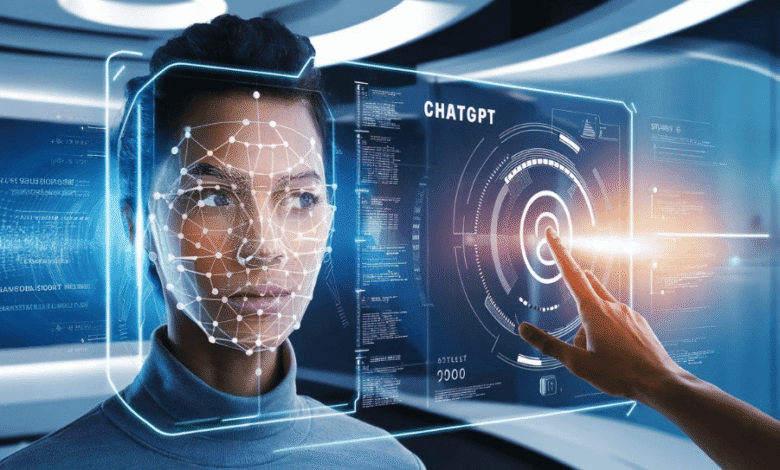
The world of digital creativity has evolved dramatically over the past decade. What once required advanced design skills, expensive software and years of artistic practice can now be achieved with the assistance of artificial intelligence. AI-powered image generation tools are changing how people create, edit and transform visual content, making creative expression more accessible than ever before.
From professional designers and marketers to hobbyists and content creators, individuals across industries are embracing AI-driven technologies to enhance their workflows and unlock new possibilities. As these tools continue to improve, they are reshaping the relationship between technology and creativity in fascinating ways.
The Rise of AI in Digital Art
Artificial intelligence has become a major force in creative industries. Machine learning models can analyze vast collections of images, artistic styles and visual patterns to generate entirely new artwork based on user instructions. This capability has opened the door to a new era of digital creativity where imagination can be transformed into visuals within seconds.

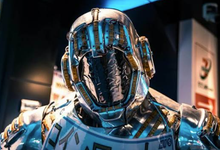

AI image generation platforms allow users to create illustrations, concept art, marketing materials, social media graphics and even realistic portraits. Rather than replacing human creativity, these tools often act as creative partners that help users experiment with ideas and refine their artistic vision.
The growing popularity of AI-generated imagery demonstrates how technology can remove traditional barriers while encouraging innovation. Users no longer need extensive technical expertise to create compelling visual content.
Making Creativity More Accessible
One of the most significant benefits of AI image creation tools is accessibility. In the past, producing professional-quality artwork often required specialized training and costly software subscriptions. Today, many AI-powered platforms provide intuitive interfaces that allow users to generate impressive results with simple text prompts.
This accessibility benefits a wide range of users, including entrepreneurs creating marketing assets, educators developing visual learning materials and content creators producing engaging online content. AI tools empower individuals to bring ideas to life quickly and efficiently without relying solely on traditional design processes.
As a result, creativity is becoming more inclusive, allowing people from diverse backgrounds to participate in digital art and visual storytelling.
The Evolution of Image Transformation Technology
Beyond generating new images, AI has made remarkable progress in transforming existing photographs into entirely different artistic styles. Advanced algorithms can analyze colors, textures, lighting and composition to recreate images in unique and visually appealing ways.
For example, users interested in artistic transformations can now discover photo to oil painting techniques that convert ordinary photographs into stunning works inspired by classical painting styles. These transformations can mimic brush strokes, canvas textures and artistic color palettes, producing results that resemble handcrafted artwork.
Such innovations are particularly valuable for photographers, artists and social media creators who want to explore new visual aesthetics without extensive manual editing.
Converting Images into Three-Dimensional Experiences
Another exciting advancement in AI imaging technology is the ability to generate three-dimensional representations from standard photographs. Traditionally, creating 3D models required specialized equipment and complex software workflows. Today, AI can analyze depth, perspective and object structure to produce surprisingly accurate 3D interpretations from a single image.
Many users are beginning to learn more about photo to 3d conversion technologies because of their growing applications in gaming, e-commerce, architecture, education and virtual reality. By transforming flat images into interactive three-dimensional assets, AI is helping bridge the gap between traditional photography and immersive digital experiences.
This technology has the potential to revolutionize how businesses showcase products and how creators develop virtual environments.
Applications Across Industries
AI image generation is no longer limited to artistic experimentation. Its applications now extend across numerous industries and professional fields.
Marketing and Advertising
Marketing teams use AI-generated visuals to create promotional materials, social media campaigns and advertising concepts. The ability to rapidly generate multiple design variations helps organizations test creative ideas more efficiently.
E-Commerce
Online retailers benefit from AI-generated product images, lifestyle scenes and visual enhancements. These capabilities can improve product presentation while reducing production costs associated with traditional photography.
Education
Educators increasingly use AI-generated illustrations to explain complex concepts and create engaging learning materials. Customized visuals can improve comprehension and make educational content more accessible.
Entertainment
The gaming, film and animation industries leverage AI tools for concept development, storyboarding, character design and environmental visualization. These technologies accelerate creative workflows while supporting artistic exploration.
See also: New Year, New Skill Upgrade: Beauty, Tech, and Business Skills to Master
Challenges and Ethical Considerations
Despite its many advantages, AI-generated imagery raises important questions regarding ethics, copyright and authenticity. As AI systems become more capable, creators and organizations must consider how generated content is used and attributed.
Transparency remains a critical issue. Audiences increasingly want to know whether images were created by humans, AI systems or a combination of both. Responsible use of AI technology requires clear communication and adherence to evolving legal and ethical standards.
Additionally, developers continue working to reduce biases in training data and improve the fairness of AI-generated outputs. Ensuring that these systems produce diverse and inclusive content is essential for long-term adoption.
Human Creativity Still Matters
While AI tools can generate impressive visuals, human creativity remains at the heart of meaningful artistic expression. Technology can provide inspiration, automate repetitive tasks and accelerate workflows, but it cannot fully replicate personal experiences, emotions and cultural perspectives.
The most successful creators often combine AI capabilities with their own expertise and artistic judgment. By using AI as a collaborative tool rather than a replacement, artists can explore new ideas while maintaining creative control over their work.
This partnership between human imagination and machine intelligence is likely to define the future of digital creativity.
Looking Ahead
The future of AI image generation appears exceptionally promising. As algorithms become more sophisticated, users can expect higher-quality outputs, greater customization options and more seamless integration with creative workflows.
Emerging technologies such as real-time image generation, enhanced 3D modeling and advanced style transfer will continue expanding what is possible in visual content creation. These developments will likely influence industries ranging from entertainment and education to commerce and virtual reality.
Ultimately, AI is transforming how people create, share and experience visual content. By making powerful creative tools more accessible and versatile, artificial intelligence is helping shape a new era of digital expression where innovation and imagination can thrive together.