Pests are a fact of life, no matter where you live. Whether it’s ants marching across the kitchen counter, spiders setting up cobwebs in the basement, or wasps hovering around your deck, unwanted bugs eventually make their way toward warmth, food, and shelter. The reality is, preventing pests is much easier than dealing with a full infestation later. But how often should you actually schedule pest control for your home?
Understanding the right frequency can save you stress, money, and hours of cleanup. It also reduces the risk of pests damaging your property or causing health concerns. In this blog, we’ll break down how frequently pest control should be done, what factors impact the schedule, and what homeowners should expect from a successful prevention plan.
Why Regular Pest Control Matters
Even if you don’t currently have insects crawling around your home, pest activity is always happening in the environment around you. Many species—especially ants, cockroaches, and rodents—operate invisibly long before there’s any sign of a problem.



Here’s why consistent pest control matters:
- Stops infestations before they start
- Protects the structure of your home
- Keeps food preparation surfaces sanitary
- Prevents expensive damage costs
- Maintains peace of mind year-round
How Often Should Pest Control Be Scheduled?
For most households, the ideal frequency for routine pest control is every three months. A quarterly schedule aligns with the lifespan and effectiveness of most professional products, which gradually lose their protective power after 10–12 weeks. When that outer layer of protection fades, pests begin seeking access points once again. By scheduling professional service four times a year, you maintain continuous coverage through every major seasonal transition. Many homeowners are surprised to learn that pest issues can grow quietly even in colder seasons, so remaining consistent throughout the year is necessary to maintain reliable protection.
How Seasonal Variations Influence Pest Frequency
There is no single time of year when pests are active—they are active differently throughout each season. Spring is often the beginning of the yearly pest cycle, as insects emerge from dormancy and start expanding populations. Ants, spiders, wasps, and other insects increase their activity rapidly as temperatures rise. Summer is the peak period for pest activity, when breeding cycles are fast, and food sources are abundant. In the fall, pests begin moving indoors seeking warmth and shelter as temperatures fall. Winter activity does not disappear; it simply shifts indoors. Rodents explore attics and basements, spiders settle into corners, and insects continue establishing themselves behind walls. Because pest behavior changes drastically throughout the year, reliable seasonal protection allows for uninterrupted safety. Scheduling pest control only when pests “seem active” ignores the reality of how infestations form. If ants keep coming back each season, hiring an experienced ant exterminator Ottawa team can be the most effective long-term solution.
Why Professional Pest Control Is More Effective Than DIY
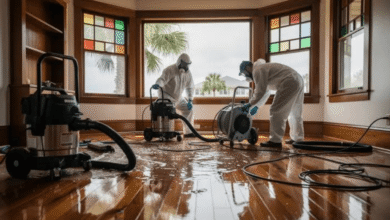
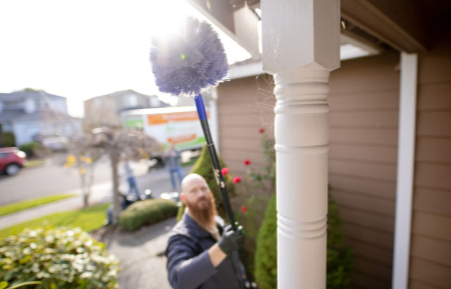
Many homeowners try to manage pests on their own using sprays, powders, sticky traps, and home remedies. While these methods can temporarily reduce visible activity, they generally do not eliminate the source. Most DIY treatments only target what you can see, not what is hidden. Professional technicians inspect the entire home, including areas that usually go unnoticed in daily life. They use stronger, longer-lasting products and apply them strategically, based on pest biology and seasonal patterns. They also monitor changes over time to adjust treatment as needed. Partnering with a company specializing in pest control Ottawa services offers long-term protection, professional insight, and coverage that is much more reliable than occasional store-bought products.
The Best Schedule for Total Home Protection
The most effective long-term pest prevention strategy includes consistent quarterly treatments, supported by good household habits like sealing minor cracks, eliminating moisture sources, and storing food securely. However, these household habits are not substitutes for professional care—they simply improve results. The most important factor in success is not the strength of one particular treatment, but the consistency of protection throughout the year. Skipping seasons creates an opportunity for infestation. Treating the home regularly ensures pests do not gain the time they need to build colonies, nests, or breeding sites. For some households, quarterly care is enough. For others, especially high-risk homes, monthly treatment may be recommended for a period until the home stabilizes and activity declines. Homeowners should expect a technician to assess the full property and recommend a customized schedule rather than a one-size-fits-all approach.
Conclusion
So how often should pest control be scheduled? The general recommendation is every three months, with monthly visits in homes facing higher environmental pressure or persistent infestation. A twice-yearly approach is better than nothing, but far less protective than quarterly service, and waiting until pests appear is usually too late. Pest prevention is not an occasional task—it is an ongoing part of maintaining a healthy, comfortable home. With consistent scheduling, the home stays protected year-round, and homeowners avoid the stress, inconvenience, and financial impact of large infestations. Preventive care builds security, and a strong schedule preserves it.