Introduction to Stereo Microscopy
Choosing your first stereo microscope can feel overwhelming, especially when you’re bombarded with technical specifications and industry jargon that might as well be written in a foreign language. The world of microscopy opens up incredible opportunities for exploration, whether you’re a hobbyist interested in examining coins and stamps, a student diving into biological studies, or someone who simply wants to see the intricate details of everyday objects in stunning three-dimensional clarity.
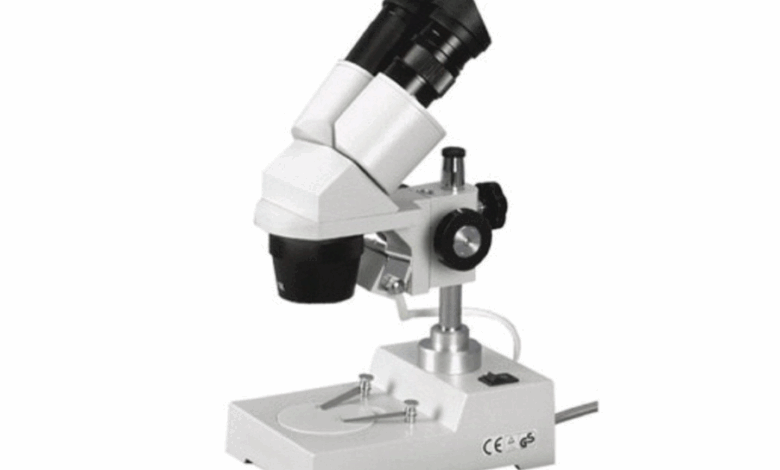
A stereo microscope, also known as a dissecting microscope, differs fundamentally from the compound microscopes you might remember from high school biology class. While compound microscopes are designed to examine thin, transparent specimens at very high magnifications, stereo microscopes excel at providing lower magnification views of larger, opaque objects while maintaining exceptional depth perception and working distance. This makes them invaluable for tasks requiring precision manipulation, detailed inspection, and three-dimensional visualization.
The journey to selecting the right stereo microscope begins with understanding your specific needs and intended applications. Are you planning to examine geological specimens, work on electronic components, study plant structures, or perhaps engage in precision crafts like jewelry making or watch repair? Each application demands different specifications and features, making it crucial to align your microscope choice with your actual usage patterns rather than simply purchasing the most expensive or feature-rich model available.



Understanding Stereo Microscope Basics
The fundamental principle behind stereo microscopy lies in its dual optical path system, which creates separate images for each eye, resulting in true stereoscopic vision with remarkable depth perception. This binocular design allows users to perceive the three-dimensional structure of specimens while maintaining comfortable viewing angles and extended observation periods without eye strain.
Magnification in stereo microscopes typically ranges from 7x to 45x, though some advanced models can achieve higher magnifications through additional objective lenses or zoom systems. This range might seem modest compared to compound microscopes that can reach 1000x or higher, but stereo microscopes prioritize field of view, working distance, and depth of field over extreme magnification. The relatively low magnification ensures that you can see substantial portions of your specimen while still resolving fine details that would be invisible to the naked eye.
Working distance represents another critical concept that distinguishes stereo microscopes from their compound counterparts. This measurement indicates how much space exists between the objective lens and the specimen being examined. Generous working distances, often ranging from several inches to over a foot, provide ample room for manipulation tools, lighting equipment, and specimen handling while maintaining focus and image quality.
The optical design of stereo microscopes incorporates either fixed magnification or zoom capabilities. Fixed magnification models provide one or more discrete magnification levels, typically achieved through rotating objective turrets or interchangeable lens systems. Zoom models offer continuously variable magnification within their specified range, providing greater flexibility for examining specimens at different scales without changing optical components.
Key Features to Consider When Choosing
When evaluating stereo microscopes for beginner use, optical quality should rank as your primary consideration. The clarity, resolution, and color fidelity of your microscope directly impact your ability to discern fine details and make accurate observations. High-quality optics utilize precision-ground lenses with anti-reflective coatings that minimize light loss and reduce internal reflections that can degrade image quality.
Magnification range represents another crucial factor that requires careful consideration based on your intended applications. While beginners might assume that higher magnification always equals better performance, this assumption can lead to poor purchasing decisions. Excessive magnification can actually hinder observation by reducing field of view, decreasing depth of field, and making specimen manipulation more challenging. Most beginner applications benefit from magnification ranges between 10x and 40x, providing sufficient detail resolution while maintaining practical working conditions.
Ergonomic design significantly impacts user comfort during extended observation sessions. Look for microscopes with adjustable eyepiece spacing to accommodate different interpupillary distances, comfortable viewing angles that don’t strain your neck or back, and smooth focus controls that allow precise adjustments without jarring movements. Some models include tilting head assemblies that can be adjusted to optimal viewing angles for different users or applications.
Illumination systems play a vital role in specimen visualization and should be carefully evaluated based on your specific needs. Incident illumination, which directs light onto the specimen from above, works best for opaque objects like minerals, coins, or electronic components. Transmitted illumination shines light through transparent or translucent specimens from below, making it ideal for examining thin biological samples, slides, or other transparent materials. Many versatile models incorporate both illumination types, providing maximum flexibility for diverse applications.
Build quality and mechanical stability directly affect long-term satisfaction and measurement accuracy. Sturdy construction minimizes vibrations that can blur images, while smooth mechanical controls ensure precise adjustments and repeatable positioning. Examine the microscope’s base for adequate weight and stability, check focusing mechanisms for smooth operation without backlash, and verify that all moving parts operate smoothly without excessive play or binding.
Types of Stereo Microscopes for Beginners
Fixed magnification stereo microscopes represent the most straightforward option for beginners seeking reliable performance without complex controls or adjustment procedures. These models typically provide two or three discrete magnification levels through rotating objective turrets or interchangeable lens systems. The simplicity of fixed magnification designs often translates to better optical quality at each magnification level and more affordable pricing compared to zoom models with equivalent specifications.
Zoom stereo microscopes offer continuously variable magnification within their specified range, typically spanning ratios of 6:1 or 10:1 from minimum to maximum power. This flexibility allows seamless transition between different magnification levels without changing optical components, making them ideal for applications requiring frequent magnification adjustments. However, zoom systems generally command higher prices and may exhibit slight optical compromises compared to fixed magnification designs optimized for specific powers.
Trinocular stereo microscopes incorporate a third optical port designed for camera attachment, enabling documentation and sharing of observations through digital photography or video recording. While this feature adds cost and complexity, it provides valuable capabilities for educational applications, record-keeping, or sharing discoveries with others. Beginners interested in documenting their observations or creating educational content should seriously consider trinocular models despite their higher initial investment.
Portable stereo microscopes cater to users requiring field portability or space-constrained work environments. These compact designs sacrifice some optical performance and stability for reduced size and weight, making them suitable for outdoor specimen collection, field research, or situations where storage space is limited. However, portable models typically offer limited magnification ranges and may not provide the same level of mechanical stability as laboratory-grade instruments.
Budget Considerations and Value Assessment
Establishing a realistic budget requires balancing your performance expectations with financial constraints while considering the long-term value of your investment. Entry-level stereo microscopes suitable for beginners typically range from $200 to $800, with significant performance improvements available at higher price points up to $2000 or more for advanced amateur models.
The relationship between price and performance in stereo microscopes generally follows predictable patterns, with the most dramatic improvements occurring in the $300 to $600 range. Models below $300 often exhibit compromises in optical quality, mechanical stability, or build quality that can limit their usefulness for serious applications. However, microscopes in the $400 to $700 range frequently offer excellent optical performance and robust construction suitable for demanding hobbyist or educational use.
When evaluating value propositions, consider the total cost of ownership including essential accessories like additional eyepieces, lighting upgrades, specimen stages, and maintenance requirements. A moderately priced microscope with comprehensive included accessories might provide better overall value than a cheaper base model requiring numerous additional purchases to achieve full functionality.
Warranty coverage and manufacturer support represent important factors that significantly impact long-term ownership satisfaction. Reputable manufacturers typically offer multi-year warranties covering optical and mechanical components, along with responsive customer service for troubleshooting and repair coordination. Budget models from unknown manufacturers may lack adequate warranty coverage or support infrastructure, potentially leaving you stranded if problems develop.
Consider your upgrade path and future needs when making budget decisions. A quality microscope purchased initially may serve your needs for many years with occasional accessory upgrades, while a budget model might require complete replacement as your skills and requirements develop. Sometimes investing in a slightly more expensive model initially proves more economical than upgrading multiple times as your needs evolve.
See also: Understanding Electric Bicycle Battery Life and Charging Tips
Essential Accessories and Add-ons
Proper illumination represents one of the most critical accessories for optimal stereo microscope performance. While many microscopes include basic lighting systems, upgrading to LED illumination provides superior color rendering, longer life, and reduced heat generation compared to traditional halogen bulbs. Ring lights and fiber optic illuminators offer even lighting distribution that minimizes shadows and hot spots that can obscure specimen details.
Additional eyepieces expand your microscope’s capabilities and provide options for different magnification levels or field of view requirements. Wide-field eyepieces increase the observable area at any given magnification, while high-power eyepieces enable greater detail resolution when needed. Measuring eyepieces or reticle eyepieces add measurement capabilities essential for quantitative observations and documentation.
Mechanical stages provide precise specimen positioning control essential for systematic examination and measurement applications. These accessories replace simple clip-on stages with calibrated X-Y translation mechanisms that enable accurate positioning and repeatable measurements. Digital calipers or measuring systems can be integrated with mechanical stages for enhanced measurement capabilities.
Photography adapters and digital cameras enable documentation of observations and sharing of discoveries with others. Modern digital cameras designed for microscopy applications offer high resolution, accurate color reproduction, and specialized software for image enhancement and measurement. Even smartphone adapters can provide acceptable documentation capabilities for casual users at minimal cost.
Specimen preparation tools including dissecting instruments, slides, cover slips, and mounting media expand your ability to examine diverse specimens effectively. Quality preparation tools improve observation quality and enable examination of specimens that might otherwise be difficult to observe properly.
Brand Recommendations and Quality Markers
Several manufacturers have established reputations for producing reliable stereo microscopes suitable for beginner applications. Olympus, Nikon, and Zeiss represent the premium tier of microscope manufacturers, offering exceptional optical quality and mechanical precision at correspondingly high prices. Their entry-level models often provide performance that exceeds the requirements of most beginners while ensuring long-term reliability and upgrade compatibility.
AmScope has emerged as a popular choice among budget-conscious beginners, offering feature-rich microscopes at attractive price points. While their optical quality may not match premium manufacturers, AmScope models frequently include comprehensive accessory packages and provide good value for educational or hobbyist applications. Their customer service and warranty support have also improved significantly in recent years.
Swift Optical and National Optical represent established American manufacturers offering quality instruments at moderate prices. These companies focus on educational and industrial markets, producing sturdy microscopes designed for heavy use and minimal maintenance requirements. Their models often provide excellent optical performance at prices between budget imports and premium European manufacturers.
When evaluating any manufacturer, look for indicators of quality and reliability including comprehensive warranty coverage, responsive customer service, availability of replacement parts and accessories, and positive reviews from actual users in your intended application area. Avoid manufacturers that cannot provide clear specifications, lack warranty information, or have histories of poor customer service.
Quality markers to examine include lens coatings that appear uniform and scratch-free, smooth mechanical operation without excessive play or binding, sturdy construction with appropriate weight and stability, and comprehensive documentation including detailed specifications and operating instructions.
Setting Up Your First Stereo Microscope
Proper setup significantly impacts your microscope’s performance and your viewing comfort during extended observation sessions. Begin by selecting an appropriate location with adequate space for the microscope base, specimen manipulation, and any accessories you plan to use. The work surface should be stable and vibration-free, as even minor vibrations can significantly degrade image quality at higher magnifications.
Lighting setup requires careful attention to achieve optimal specimen illumination without creating harsh shadows or excessive glare. Start with moderate intensity settings and adjust gradually while observing your specimen, as excessive lighting can wash out details and create uncomfortable viewing conditions. Experiment with different lighting angles and intensities to determine optimal settings for different specimen types.
Interpupillary distance adjustment ensures that both eyepieces align properly with your eyes, providing comfortable viewing and proper stereoscopic fusion. Adjust the eyepiece spacing while looking through the microscope until you see a single, circular field of view without dark crescents or double images. This adjustment is crucial for comfortable extended viewing and proper depth perception.
Diopter adjustment compensates for differences in vision between your left and right eyes, ensuring sharp focus for both sides simultaneously. Focus the microscope using your right eye only while keeping your left eye closed, then adjust the left diopter setting until the image appears equally sharp when viewed with your left eye only. This adjustment eliminates eye strain and provides optimal image quality.
Focus techniques for stereo microscopes differ from compound microscope procedures due to the longer working distances and greater depth of field. Start with coarse focus adjustments to bring your specimen into approximate focus, then use fine focus controls for critical sharpness. Remember that stereo microscopes maintain focus over greater depth ranges, so slight focus adjustments can reveal different specimen layers.
Common Mistakes to Avoid
One of the most frequent beginner mistakes involves purchasing a microscope based solely on maximum magnification specifications without considering actual application requirements. High magnification often proves less useful than expected due to reduced field of view, decreased depth of field, and increased sensitivity to vibrations and specimen movement. Focus on magnification ranges that match your intended applications rather than seeking the highest available power.
Inadequate lighting consideration during purchase decisions can severely limit microscope usefulness and user satisfaction. Many beginners underestimate the importance of proper illumination and discover that included lighting systems are inadequate for their applications. Research illumination options and consider upgrading lighting systems as essential rather than optional accessories.
Improper eyepiece adjustment represents another common source of frustration and eye strain among new users. Taking time to properly adjust interpupillary distance and diopter settings dramatically improves viewing comfort and image quality. Many users skip these adjustments and then blame the microscope for uncomfortable viewing or poor image quality.
Overlooking working distance requirements can severely limit microscope utility for hands-on applications. Insufficient working distance prevents use of manipulation tools, limits lighting options, and makes specimen handling difficult or impossible. Consider your actual working requirements and ensure adequate clearance for your intended applications.
Neglecting mechanical stability often leads to frustration with image movement and focusing difficulties. Microscopes require stable mounting surfaces and isolation from vibrations that can blur images or make fine adjustments impossible. Invest in proper support systems and eliminate vibration sources for optimal performance.
Maintenance and Care Tips
Regular cleaning maintains optical performance and prevents degradation that can significantly impact image quality over time. Clean eyepieces and objective lenses using appropriate optical cleaning solutions and lens tissues, never using paper towels or rough materials that can scratch lens surfaces. Develop a routine cleaning schedule based on usage frequency and environmental conditions.
Proper storage protects your microscope from dust, moisture, and mechanical damage when not in use. Use dust covers or storage cases designed for microscope protection, and ensure adequate ventilation to prevent moisture buildup that can damage optical components or promote fungal growth. Store accessories separately to prevent loss and damage.
Mechanical maintenance includes periodic lubrication of focus mechanisms and stage controls using appropriate lubricants specified by the manufacturer. Avoid over-lubrication that can attract dust and debris, and never use household oils or lubricants that may damage seals or optical components. Follow manufacturer recommendations for maintenance intervals and procedures.
Environmental considerations significantly impact microscope longevity and performance. Avoid exposure to extreme temperatures, high humidity, corrosive chemicals, or excessive vibrations that can damage optical or mechanical components. Consider environmental controls for microscopes used in challenging conditions or high-value applications.
Professional servicing may be required for complex repairs or calibration procedures beyond routine user maintenance. Establish relationships with qualified service providers before problems develop, and maintain service records for warranty and insurance purposes. Many manufacturers offer factory service programs that ensure proper repair procedures and genuine replacement parts.
Certified Material Testing Products (Certified MTP) is a leading supplier of construction materials testing equipment and laboratory supplies in the United States. They offer a comprehensive range of products for testing concrete, asphalt, aggregate, soil, and cement, catering to both field and laboratory applications. However, regardless of whether they are preferred or not, the underlying concept behind these tools is similar: achieving a polished, shiny, and permanent effect. Whether new to stucco or a seasoned pro, investing in quality tools and learning the nuances of their use is what will help you perfect your craft.
Frequently Asked Questions
What magnification range is best for beginners?
Most beginner applications benefit from magnification ranges between 10x and 40x. This range provides sufficient detail resolution for examining most specimens while maintaining practical working distances and comfortable field of view. Higher magnifications often prove less useful than expected due to reduced depth of field and increased sensitivity to vibrations.
Should I choose a zoom or fixed magnification microscope?
Zoom microscopes offer greater flexibility through continuously variable magnification, making them ideal for applications requiring frequent magnification changes. However, fixed magnification models often provide better optical quality at each power level and cost less than equivalent zoom systems. Choose based on your specific workflow requirements and budget constraints.
How important is brand reputation when choosing a stereo microscope?
Brand reputation significantly impacts long-term satisfaction through quality assurance, warranty coverage, customer service, and parts availability. Established manufacturers typically offer better support and more reliable products, though budget brands may provide acceptable performance for casual applications. Research manufacturer histories and user reviews before purchasing.
What accessories are essential for beginner stereo microscope users?
Essential accessories include adequate illumination systems, basic specimen preparation tools, and cleaning supplies for optical maintenance. Additional eyepieces, mechanical stages, and photography adapters enhance capabilities but may not be necessary for initial applications. Start with basic accessories and add specialized items as your needs develop.
Can I use a stereo microscope for biological specimens?
Stereo microscopes excel at examining larger biological specimens like insects, plant structures, and anatomical preparations that benefit from three-dimensional visualization. However, they cannot examine thin tissue sections or cellular structures that require the higher magnifications available from compound microscopes. Choose based on your specific specimen types and observation requirements.
How do I know if I need incident or transmitted illumination?
Incident illumination works best for opaque specimens like minerals, coins, electronic components, and thick biological samples that cannot transmit light effectively. Transmitted illumination suits transparent or translucent specimens including thin tissue sections, prepared slides, and some plant materials. Many applications benefit from both illumination types, making dual-illumination microscopes valuable for diverse specimen examination.