Proper roof ventilation plays a crucial role in maintaining your home’s overall health. It allows air to circulate through the attic space, balancing temperature and moisture levels, which helps prevent damage to the house’s structure. Proper roof ventilation plays a crucial role in maintaining the overall health of your home, whether it’s a suburban house or a Boston office. When roof ventilation is inadequate or poorly designed, many issues can arise, leading to long-term damage and increased repair costs. We will explore the significant impact that poor roof ventilation can have on your home, from energy efficiency to the roof’s structural integrity.
Significant impact of poor roof ventilation
Increased Energy Costs
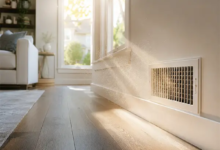
One of the most noticeable effects of poor roof ventilation is its impact on energy efficiency. Without proper airflow in the attic, hot air can become trapped during the summer months, raising the temperature inside the home. As a result, your air conditioning system must work harder to cool the home, leading to higher energy bills. Similarly, in the winter, poor ventilation can cause moisture to build up, which may lead to damp insulation and further reduce energy efficiency.
Proper roof ventilation helps regulate indoor temperatures by allowing hot air to escape in the summer and preventing moisture buildup in the winter. This reduces the strain on your heating and cooling systems and helps maintain a more comfortable indoor environment year-round. Homeowners who neglect roof ventilation may find their energy costs significantly higher than necessary, as their HVAC systems are forced to compensate for the imbalance in attic airflow.

Moisture Damage and Mold Growth
Another serious consequence of poor roof ventilation is the buildup of moisture in the attic, which can lead to extensive damage over time. When warm air rises from the living spaces into the attic, it can become trapped with inadequate ventilation. This warm air carries moisture, which can condense on cooler surfaces in the attic, such as wooden beams and insulation. Over time, this moisture can cause the wood to warp, rot, or weaken, compromising the roof’s structural integrity.
Moreover, excessive moisture in the attic creates the perfect environment for mold and mildew growth. Mold thrives in damp, poorly ventilated spaces, and once it starts spreading, it can be difficult and costly to remove. Mold damages the building materials and can lead to health problems for the home’s occupants. Proper ventilation helps keep the attic dry and prevents the conditions that promote mold growth, protecting the home’s structure and the well-being of those who live in it.
Roof Deterioration and Reduced Lifespan
Poor roof ventilation can significantly reduce the lifespan of your roof by accelerating the deterioration of roofing materials. When hot air is trapped in the attic, the increased temperature can cause the roofing materials, such as shingles, to deteriorate more quickly. Asphalt shingles, for example, can become brittle and crack under prolonged exposure to excessive heat, leading to leaks and water damage.
In addition, during the winter months, poor ventilation can contribute to the formation of ice dams. Ice dams occur when snow on the roof melts due to trapped heat in the attic and then refreezes at the roof’s edge, creating a barrier that prevents proper drainage. This can cause water to back up under the shingles, leading to leaks and potential water damage inside the home. By ensuring proper ventilation, homeowners can protect their roofing materials and extend the life of their roof, avoiding costly repairs and replacements.
Impact on Indoor Air Quality
Poor roof ventilation can also negatively affect indoor air quality. When the attic space becomes a breeding ground for mold, mildew, and dust, these particles can eventually make their way into the home’s living areas. Mold spores and other airborne contaminants can enter through small cracks or gaps in the attic, leading to poor air quality inside the home.
Exposure to mold and other contaminants can exacerbate symptoms and cause health problems for individuals with respiratory conditions or allergies. Proper roof ventilation helps prevent the buildup of harmful particles in the attic and ensures fresh air circulates throughout the home, contributing to a healthier living environment. Addressing ventilation issues can be an important step in improving indoor air quality and promoting the overall health and well-being of the home’s occupants.
Read also: Why You Should Hire Local Roofing Contractors in Salt Lake City
Structural Damage and Long-Term Costs
Poor ventilation can also lead to significant structural damage to the home over time. Moisture buildup, mold growth, and the deterioration of building materials can weaken the structural integrity of the attic and roof. If left unchecked, this damage can spread to other home areas, leading to costly repairs and compromising the structure’s safety.
For example, rotting wood in the attic can affect the roof’s stability, causing sagging or bowing, while moisture-damaged insulation may need to be replaced entirely. In some cases, the damage caused by poor roof ventilation can be so severe that a complete roof replacement is necessary. By addressing ventilation issues early on, homeowners can avoid these long-term costs and ensure that their homes remain structurally sound for years.
The importance of proper roof ventilation cannot be overstated when it comes to maintaining the health and integrity of your home. From reducing energy costs to preventing moisture damage and improving indoor air quality, proper ventilation is key to ensuring that your home remains comfortable and safe. Poor roof ventilation can lead to various issues, including mold growth, roof deterioration, and structural damage, resulting in costly repairs. By prioritizing roof ventilation, homeowners can protect their investment, extend the life of their roof, and enjoy a healthier living environment.