Operational downtime is one of the most persistent and costly challenges faced by businesses across industries. Whether in manufacturing plants, warehouses, hospitals, or retail environments, even minor disruptions in workflow can lead to missed deadlines, increased labor costs, and reduced customer satisfaction. While companies often focus on major systems such as machinery, software, and workforce optimization, smaller components are frequently overlooked—despite their significant impact on daily operations.
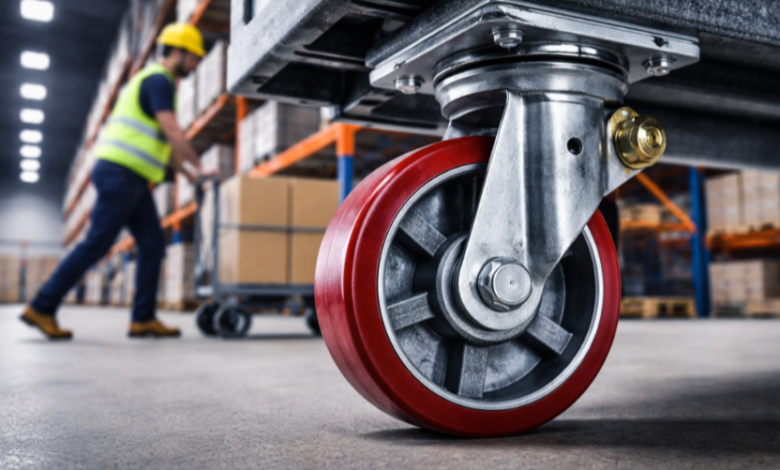
One such component is mobility hardware. The selection of casters, including swivel casters, plays a surprisingly critical role in ensuring smooth, uninterrupted operations. These seemingly simple devices support the movement of equipment, carts, and heavy loads, directly influencing efficiency, safety, and reliability. When chosen incorrectly, they can become a hidden source of operational delays.
This article explores how selecting the right mobility solutions can reduce downtime, examining the key factors involved, the trade-offs businesses must consider, and the broader operational impact of these decisions.



Understanding Operational Downtime in Business Contexts
Operational downtime refers to any period when business processes are halted or slowed due to equipment failure, inefficiencies, or disruptions. It can be categorized into planned downtime (such as maintenance) and unplanned downtime (such as equipment breakdowns). While planned downtime is often manageable, unplanned disruptions are particularly damaging because they occur unexpectedly and can ripple across multiple workflows.
In many environments, mobility is essential to operations. Equipment, inventory, and tools must be moved quickly and safely. When mobility components fail or underperform, they can create bottlenecks that cascade into larger operational issues. For example, a malfunctioning wheel on a transport cart may delay production lines, increase manual handling, or even cause safety incidents.
The Role of Mobility Components in Operational Efficiency
Mobility solutions are foundational to industries that rely on material handling. From transporting raw materials in factories to moving medical equipment in hospitals, these components enable continuous movement. Their performance affects:
- Workflow speed
- Worker productivity
- Equipment longevity
- Workplace safety
When mobility systems are optimized, processes run smoothly. When they are not, friction—both literal and operational—begins to accumulate.
A poorly chosen wheel system may increase resistance, require more effort to move, or fail under load. Over time, this leads to wear and tear not only on the mobility component itself but also on the equipment it supports and the floors it traverses. The result is increased maintenance, higher costs, and more frequent interruptions.
Key Factors That Impact Performance and Downtime
1. Load Capacity and Weight Distribution
One of the most critical considerations is load capacity. Each mobility unit is designed to handle a specific weight range. Exceeding this limit can lead to deformation, breakage, or complete failure.
However, the issue is not just about total weight. Uneven weight distribution can place excessive stress on individual units, accelerating wear. Businesses must evaluate both the static load (when equipment is stationary) and dynamic load (when it is in motion).
Choosing a solution with adequate load capacity reduces the risk of sudden failure, thereby minimizing unexpected downtime.
2. Material Selection and Environmental Compatibility
The material of the wheel or mobility component significantly influences its performance. Different materials offer varying levels of durability, resistance, and floor protection.
For example:
- Hard materials may offer durability but can damage floors
- Softer materials protect surfaces but may wear out faster
- Certain compounds perform better in extreme temperatures or chemical environments
Selecting the wrong material can lead to premature degradation, increased maintenance, and operational interruptions. Businesses must consider environmental factors such as moisture, chemicals, temperature fluctuations, and debris.
3. Floor Conditions and Surface Interaction
The interaction between mobility components and the floor surface is often underestimated. Rough, uneven, or contaminated floors can increase resistance and accelerate wear.
In such environments, choosing the right design becomes essential. Some configurations are better suited for smooth indoor surfaces, while others are designed for rugged outdoor conditions.
Failure to align the mobility solution with floor conditions can result in:
- Reduced maneuverability
- Increased physical strain on workers
- Faster component failure
All of these contribute to downtime in both direct and indirect ways.
4. Maneuverability and Operational Flow
Ease of movement is another key factor. In fast-paced environments, the ability to navigate tight spaces and change direction quickly can significantly impact productivity.
Mobility systems that allow for greater directional control can reduce the time required to move equipment and improve workflow efficiency. However, increased maneuverability may come at the cost of stability, particularly when handling heavy loads.
Balancing these aspects is crucial. Poor maneuverability can slow down operations, while excessive flexibility can compromise safety and control.
5. Maintenance Requirements and Durability
All mechanical components require maintenance, but the frequency and complexity of that maintenance can vary widely.
High-quality solutions often come with:
- Better resistance to wear
- Reduced need for frequent servicing
- Longer operational lifespan
On the other hand, lower-cost options may require frequent replacement or repair, leading to recurring downtime.
Businesses must evaluate the total cost of ownership rather than just the initial purchase price. Investing in durable components can significantly reduce long-term disruptions.
Trade-offs in Selecting the Right Mobility Solution
Choosing the optimal mobility solution involves balancing several competing factors. There is rarely a one-size-fits-all answer, and businesses must navigate trade-offs based on their specific needs.
Cost vs. Quality
Lower-cost options may seem attractive initially, especially for businesses operating under tight budgets. However, these solutions often compromise on durability and performance.
Higher-quality components may require a larger upfront investment but typically offer better reliability and lower maintenance costs over time. The trade-off lies in balancing short-term savings with long-term operational stability.
Durability vs. Floor Protection
Harder materials tend to last longer and handle heavier loads, but they can damage floors, leading to additional repair costs. Softer materials protect surfaces but may wear out more quickly.
Businesses must consider whether the priority is longevity or surface preservation. In many cases, a balanced approach is necessary.
Maneuverability vs. Stability
Highly maneuverable systems improve efficiency in tight spaces but may reduce stability when transporting heavy loads. Conversely, more rigid systems offer stability but limit flexibility.
The right balance depends on the nature of operations. Environments with frequent directional changes may prioritize maneuverability, while those handling heavy equipment may focus on stability.
Customization vs. Availability
Custom solutions can address specific operational needs more effectively but often require longer lead times and higher costs. Standard options are readily available but may not fully align with unique requirements.
Businesses must decide whether the benefits of customization outweigh the potential delays and expenses.
Challenges in Implementation
Even when businesses recognize the importance of selecting the right mobility solution, several challenges can arise during implementation.
Lack of Technical Knowledge
Many decision-makers may not have specialized knowledge about mobility components. This can lead to choices based on incomplete or inaccurate information.
Consulting with experts or suppliers can help bridge this gap, but it requires time and effort.
Inconsistent Usage Conditions
Operational environments are not always uniform. A solution that performs well in one area may struggle in another due to differences in floor conditions, load requirements, or environmental factors.
This variability makes it difficult to standardize solutions across an entire facility.
Budget Constraints
Financial limitations can restrict the ability to invest in high-quality or customized solutions. Businesses may opt for lower-cost alternatives, even when they are aware of the potential risks.
This creates a cycle of frequent replacements and ongoing downtime.
Resistance to Change
Organizations often resist changing existing systems, especially if they are perceived as “good enough.” However, this mindset can prevent improvements that would reduce downtime and enhance efficiency.
The Broader Impact on Operations
Selecting the right mobility solution goes beyond preventing equipment failure. It has a broader impact on overall business performance.
Improved Productivity
Efficient movement of equipment and materials reduces delays and allows workers to complete tasks more quickly. This leads to higher output and better utilization of resources.
Enhanced Safety
Poorly designed or inappropriate mobility components can increase the risk of accidents. Slipping, tipping, or sudden failure can cause injuries and disrupt operations.
Safer systems not only protect employees but also reduce downtime caused by incidents.
Lower Maintenance Costs
Reliable components require less frequent servicing and replacement. This reduces maintenance costs and minimizes disruptions.
Better Employee Experience
Ease of movement reduces physical strain on workers, improving comfort and morale. This can lead to higher job satisfaction and lower turnover rates.
Long-Term Operational Stability
Consistent performance and reduced disruptions contribute to a more stable and predictable operational environment. This stability is essential for long-term growth and competitiveness.
Strategic Considerations for Decision-Makers
When evaluating mobility solutions, businesses should adopt a strategic approach rather than focusing solely on immediate needs.
Conducting a Needs Assessment
Understanding the specific requirements of each application is essential. This includes evaluating load capacity, environmental conditions, and operational workflows.
Considering Lifecycle Costs
Decision-makers should look beyond initial costs and consider the total cost of ownership, including maintenance, replacement, and downtime.
Prioritizing Reliability
In critical operations, reliability should take precedence over cost. The consequences of downtime often outweigh the savings from cheaper components.
Seeking Expert Guidance
Working with experienced suppliers or consultants can help ensure that the chosen solution aligns with operational needs.
Wrapping Up
Operational downtime is a complex challenge with far-reaching consequences. While major systems often receive the most attention, smaller components such as mobility solutions play a crucial role in maintaining efficiency and continuity.
Choosing the right solution requires careful consideration of factors such as load capacity, material, environment, maneuverability, and maintenance requirements. It also involves navigating trade-offs between cost, durability, flexibility, and customization.
Despite the challenges, making informed decisions in this area can lead to significant benefits, including improved productivity, enhanced safety, and reduced maintenance costs. Ultimately, the right choices contribute to a more resilient and efficient operation, where disruptions are minimized and performance is optimized.
By recognizing the importance of these often-overlooked components and taking a strategic approach to their selection, businesses can reduce downtime and create a more stable foundation for long-term success.