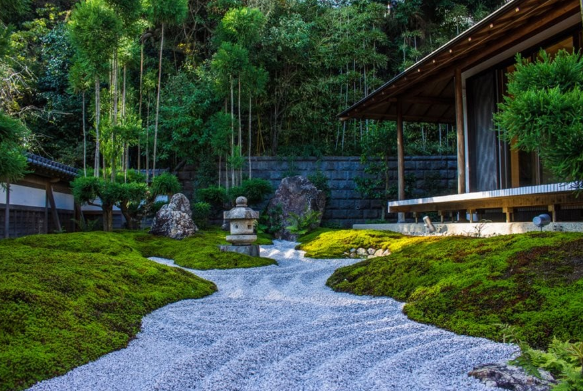
Local landscapes across Australia offer more than visual inspiration. From coastal horizons and bushland textures to the muted tones of the outback, they provide a practical framework for colour selection, material pairing, spatial balance, and focal point placement. When styling is guided by what exists outside the built environment, interiors feel resolved and connected rather than decorated. The following strategies show how designers translate regional characteristics into clear, usable styling decisions for residential and commercial spaces.
Start With A Landscape-Inspired Focal Point
A strong focal point establishes direction for the entire scheme. Styling drawn from local environments often begins with artwork that reflects regional terrain, vegetation, or coastal conditions. A well-placed piece of framed australian wall art can determine the palette, spacing, and visual weight of surrounding objects, ensuring the room develops from a single coherent reference rather than multiple competing ideas. Positioning should follow natural sightlines so the focal point anchors the room in the same way a horizon line anchors an outdoor view.
Build Colour Palettes From Natural Surroundings
Landscapes already contain balanced colour relationships, which makes them reliable styling guides. Instead of introducing unrelated feature colours, extract two or three dominant tones and apply them through soft furnishings, joinery finishes, and decorative objects. This method reflects chromatic cohesion, where colour distribution feels intentional and consistent across the space. Variations in tone should mirror natural shifts, such as sand to stone or leaf to bark, so contrast appears gradual rather than abrupt.



Layer Materials That Reflect The Region
Material selection reinforces the visual message established by colour and artwork. Timber with visible grain, stone with natural variation, and textiles with tactile depth introduce material authenticity, allowing styling elements to feel grounded in place. Mixing too many refined or high-gloss finishes can disconnect the interior from its environmental reference. Instead, balance smooth and textured surfaces so the room carries the same sensory qualities as the landscape that inspired it.
Use Spatial Restraint To Echo Open Terrain
Many landscapes are defined by their sense of openness. Styling should respond by controlling object quantity and allowing negative space to remain visible. This approach creates asymmetrical balance, where each element is clearly legible and proportionally placed without relying on strict symmetry. Furniture spacing, console styling, and wall arrangements should follow a measured rhythm rather than filling every available surface. The result is a composition that feels calm and structured.
Reflect Natural Light In Styling Choices
Light conditions vary between coastal, urban, and inland environments, and styling decisions should respond accordingly. Pale finishes and lightweight fabrics amplify brightness in areas inspired by open skies, while deeper tones and matte surfaces suit interiors referencing denser terrain. This is an application of light modulation, where reflectance levels are chosen to replicate how daylight behaves in the surrounding region. Decorative objects should be positioned to catch or diffuse light in ways that change throughout the day.
See also: Why Changing Your Environment Can Change Your Life
Let The Landscape Guide Every Decision
Styling that draws from local landscapes succeeds because it replaces arbitrary decoration with clear reference points. A defined focal piece, controlled palette, regionally appropriate materials, and considered spacing create interiors that feel connected to their surroundings. By applying these principles consistently, designers and homeowners achieve spaces that are visually calm, contextually relevant, and structurally coherent without relying on excess ornament.