Older adults in nursing homes face a variety of safety challenges. Nursing home staff have a duty to assess and address risk factors – such as trip or fall hazards – to minimize accidents and prevent injuries. Let’s look at some of the most common safety concerns facing nursing home residents, and what steps you can take if a loved one has been harmed. This guide can help you look out for safety concerns before they cause harm.
Medication Errors
Understaffing and inadequate staff training significantly increase the risk of medication errors, which can be life-threatening. Many nursing home residents rely on multiple medications for chronic conditions. Without proper supervision from a doctor or pharmacist, they can experience harmful side effects or dangerous drug interactions.
Medication errors include:




- Incorrect or skipped dosages
- Irregular administration of medication
- Expired medication
- Incorrect preparation
- Incorrect documentation
- Improper administration of IVs
- Failure to administer antibiotics for bedsores and infections
- Too much or too little medication
- Lab errors
These errors can put nursing home residents at risk of serious complications. Overmedicated residents, for example, are at greater risk for a fall.
See also: Carvalevadopa: Carvalevadopa: a Journey Into Digital Health
Elder Abuse by Staff or Residents
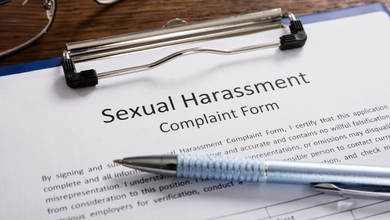
Elder abuse in nursing homes can be physical, emotional, or sexual, and it may come from either fellow residents or caregivers. When elder abuse occurs, staff members are required to take immediate action to ensure the safety of everyone involved. However, if staff members themselves are the perpetrators, residents may feel helpless or afraid to report elder abuse. Family members should look out for the warning signs or elder abuse such as unexplained bruises, sudden withdrawal, or depression. If your loved one has experienced elder abuse in a nursing home, seek advice from a dedicated elder abuse lawyer – you may have a legal pathway to holding perpetrators accountable.
Falls and Trip Hazards
Falls are the leading cause of injury among older adults. Aging leads to muscle weakness, reduced flexibility, and bone loss, which increase the risk of falls.
To ensure safety and prevent falls, nursing home staff should:
- Encourage residents to stay physically active to maintain muscle strength
- Secure area rugs and remove loose objects that could pose tripping hazards
- Ensure adequate lighting and keep hallways, elevators, and ramps clutter-free
Family members can also inspect their loved one’s room and common areas within the facility to identify and report potential hazards.
Lack of Proper Staff Training
Some nursing homes fail to properly train staff on the safe use of equipment such as lifts and bed rails, leading to serious injuries, including fractures.
Insufficient Equipment
Assistive devices like wheelchairs, bed rails, bed lifts, and bathing lifts are essential for preventing falls and other accidents. The absence of these tools increases the risk of injury.
To improve safety, staff and family members should:
- Install grab bars, rubber mats, and shower seats in bathrooms
- Provide walkers or canes for residents with mobility issues
- Encourage the use of assistive devices when necessary
Ensuring proper safety measures and equipment in nursing homes can significantly reduce the risk of injuries and enhance the well-being of residents.
Reporting Elder Abuse and Seeking Legal Assistance
Any safety concerns regarding older adults should be reported immediately to local Adult Protective Services. If there is an immediate threat, call 911 right away. If your loved one suffered harm due to unsafe conditions in a nursing home, you may have grounds for an elder abuse lawsuit.