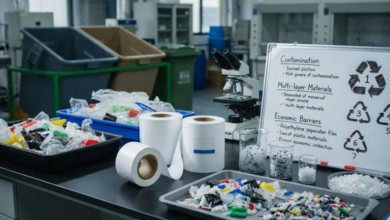
If you’ve ever bought a plastic water bottle on the go, you’re not alone. In fact, billions of people do it every year—many without a second thought. But behind every disposable bottle is a longer story: one of fossil fuels, emissions, waste, and a long degradation timeline that far outlasts its usefulness.
In a world increasingly aware of the consequences of plastic consumption, a growing number of cities, universities, events, and public venues are rethinking how hydration should work. At the center of this quiet revolution is the water filler station, a simple yet powerful tool that replaces convenience with responsibility, without losing either.
This article dives into how refill stations are turning the tide against single-use plastics, transforming public spaces, influencing behavior, and offering a real-world solution to a global waste problem.



1. The Plastic Water Bottle Lifecycle Is Longer Than You Think
It might seem like a minor decision: grab a plastic water bottle, drink it, toss it in a bin. Done, right? Not quite.
Most people don’t consider the full lifecycle of that bottle. It starts as crude oil, is refined into plastic, molded, packaged, shipped, and sold—all to contain roughly 500 ml of water. Once discarded, the bottle could take up to 450 years to fully break down in the environment. And that’s assuming it isn’t incinerated or lost in the ocean first.
Globally, over 1 million plastic bottles are bought every minute. Less than 10% are effectively recycled, and the rest? Landfills, waterways, or worse—fragmented into microplastics that enter our air, soil, and even our bodies.
Plastic pollution isn’t just a problem of marine life and trash heaps. It’s a health issue, an economic issue, and a design issue. And at its root is a product designed to be used once and thrown away.
Water filler stations aim to cut off this cycle at the source—by preventing bottles from being purchased in the first place.
2. Making Refills the Default, Not the Exception
There’s a reason why bottled water remains popular: it’s available everywhere. Gas stations, vending machines, cafes, events, airports—it’s always within reach. For reusable bottles to compete, refill stations must be just as visible, just as accessible, and just as fast.
That’s where well-designed, strategically placed filler stations make all the difference. These aren’t afterthoughts tucked into janitor closets or misaligned drinking fountains. Modern water stations are:
- Freestanding or wall-mounted for visibility
- Equipped with high-flow nozzles for fast fills
- Often touch-free or sensor-operated
- Designed for various bottle sizes
- Frequently paired with digital counters that display how many bottles were saved
They’re intuitive and efficient—offering filtered, often chilled, drinking water on demand. When installed at schools, sports events, music festivals, universities, office campuses, and in parks, they become a new norm, reshaping what people expect from public spaces.
The psychology is subtle but powerful: if people see a water filler station in front of them, they’re far less likely to buy a plastic bottle.
3. From Festivals to Schools: Real-World Impact at Scale
Let’s zoom out and look at where these stations are making the biggest difference.
Festivals and Events
Large gatherings often mean large volumes of single-use waste. Consider a three-day outdoor music festival with 20,000 attendees. If just half of them refill their bottle three times a day instead of buying new ones, that’s 90,000 bottles avoided in a single weekend.
Event organizers are catching on. Many now offer branded refill stations, often partnered with environmental groups or sponsors. Some festivals even ban single-use plastic bottles entirely, providing free water access as a key infrastructure component.
Schools and Universities
Educational institutions are in a unique position to influence habits early. Campuses that install water filler stations see rapid uptake among students, especially when stations are paired with signage tracking environmental impact (like “You’ve saved 300,000 bottles this year!”).
It’s a visible, measurable way to make sustainability part of the culture—and a daily habit for young people who will carry those values into adulthood.
Workplaces and Corporate Campuses
Refill stations have also entered the workplace, helping businesses align with their ESG commitments. Not only do they reduce waste and promote health, but they also cut costs associated with bottled water delivery services.
Public Parks and Urban Centers
Cities are embracing water stations as part of urban planning—placing them in transit hubs, downtown walkways, beaches, and recreation areas. This helps democratize access to hydration, while reducing the municipal waste burden of discarded bottles.
4. Water Refill Stations vs. Bottled Water: The Environmental Comparison
Let’s look at how water filler stations compare to bottled water across several key sustainability metrics:
| Metric | Bottled Water | Refill Stations |
| Carbon Emissions | High (production + transport) | Low (mainly from installation) |
| Plastic Waste | Extremely high | None (user-supplied containers) |
| Water Source | Often from municipal supply | Direct from tap, filtered |
| Cost to Consumer | $1–$3 per bottle | Free or negligible |
| Energy Use | High (packaging, delivery) | Low (once installed) |
When measured across time and scale, refill stations outperform bottled water on virtually every environmental front. And because the technology is modular and scalable, it works just as well for a local park as it does for a global corporation.
Some systems even include solar panels or foot-powered pumps, offering hydration in remote or off-grid areas—where bottled water is often shipped in bulk, creating even more emissions.
5. Encouraging Behavioral Shifts: Why Refill Culture Matters
The water filler station isn’t just a piece of equipment. It’s a behavioral nudge. It signals that refilling is normal, expected, and supported.
For real systems change to happen, infrastructure must align with intention. People may want to avoid plastic, but unless they’re presented with viable alternatives in the real world, good intentions fall short.
Filler stations help bridge that gap. When they’re conveniently placed and well-maintained, they trigger a shift from disposable habits to reusable ones.
And behavior is contagious. When you see your coworker refill a metal bottle, or your fellow festivalgoers line up to use a refill station, it normalizes the practice. In time, carrying a reusable bottle becomes as standard as carrying a phone or keys.
The visual impact of reuse becomes a form of soft advocacy, reminding others that hydration doesn’t have to come in disposable form.
Read Also: Brand Myequiservehome Home Service Provider
Final Thoughts: The Future Flows Through Refill Stations
Plastic waste is a complex, global issue—but some of the most effective solutions are surprisingly simple. The water filler station doesn’t require new materials, sweeping legislation, or AI-driven apps. It just requires placement, access, and consistency.
By offering people the option to refill instead of buy, we chip away at one of the most persistent sources of plastic pollution. And with every bottle avoided, we inch closer to reshaping the systems that created the problem in the first place.
It’s not about perfection—it’s about momentum. And water refill stations are doing what few products can: reducing waste at the source, one bottle at a time.