Public Health Framing of Risk in the Real Money Online Casino Canada Market: Impacts and Policy Response

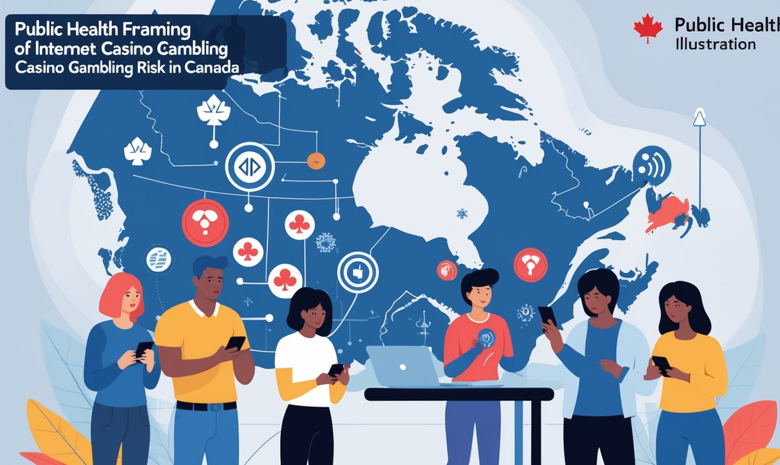
The gambling landscape, including the expansion of the real money online casino Canada market, has transformed dramatically with the rise of internet casino platforms, yet the country’s approach to addressing associated risks remains fragmented. Public health experts increasingly recognize that gambling harms extend far beyond diagnosed disorders to affect a wide spectrum of individuals, families, and communities across the nation. While online casino gambling continues to expand through provincial and private operators, understanding how public health frameworks can identify and mitigate these risks becomes essential for protecting Canadians.
The shift to digital gambling platforms has introduced unique challenges that traditional regulatory approaches struggle to address. Internet casino games operate continuously, feature rapid play cycles, and use sophisticated targeting methods to engage users. These characteristics create risk factors that differ substantially from land-based gambling, requiring you to understand how public health perspectives can inform more effective prevention and harm reduction strategies.
Examining gambling through a public health lens means looking beyond individual responsibility to consider how product design, availability, and marketing practices contribute to population-level harms. This framework helps identify which groups face elevated risks and what systemic changes could reduce adverse outcomes for Canadians who choose to gamble online.




Understanding the Public Health Approach to Gambling Harm
The public health approach positions gambling harm alongside substance use, alcohol, and tobacco as a societal issue requiring coordinated policy intervention. Rather than focusing solely on individual pathology, this framework examines how environmental factors, availability, and industry practices contribute to gambling-related harms. You’ll find this perspective treats gambling as something most people can enjoy without harm, while acknowledging that certain conditions increase risk for negative outcomes.
The Centre for Addiction and Mental Health has advocated for this model in Canadian gambling policy. It shifts responsibility from individuals alone to include regulators, operators, and governments in preventing harm. This approach addresses upstream factors like advertising exposure, game design features, and accessibility that influence gambling behaviour across populations.
The Lancet’s commission on gambling reinforces this framework by calling for governments to prioritize health and well-being over economic interests. In Canada, this means recognizing that gambling-related harms include financial devastation, relationship breakdown, mental health deterioration, and increased risks of suicide and domestic violence.
Gambling Prevalence and Patterns in the Canadian Population
Statistics Canada data from 2018 indicates that nearly two-thirds of Canadians gambled in the preceding year. This high participation rate makes gambling a significant public health concern given the proportion of the population exposed to potential harm. The data reveals that approximately 300,000 Canadians faced moderate-to-severe risk of developing a gambling problem.
Internet casino gambling has altered traditional gambling patterns in Canada. Ontario’s regulated market, launched in 2022, reported $63 billion wagered in the 2023-24 fiscal year with $2.4 billion in gaming revenue through iGaming Ontario. These figures demonstrate the rapid growth and financial scale of online gambling activity.
The legalization of single-event sports betting in 2021 expanded gambling opportunities across Canada. You should note that this policy change coincided with increased advertising exposure, particularly during televised sporting events where gambling messages have been found to occupy up to 21 percent of broadcast time.
Younger demographics show distinct engagement patterns with internet casino gambling. Problem gambling helpline data from Ontario reveals that younger men now constitute a larger proportion of callers seeking assistance, suggesting demographic shifts in who experiences gambling harm.
Mental Health, Addictions, and Vulnerable Populations
Gambling addiction shares neurobiological and behavioural characteristics with substance use disorders. Your understanding of gambling harm must include its classification as an addictive disorder that can progress rapidly, especially with 24/7 access to online platforms. The constant availability of internet casino gambling accelerates the progression from recreational use to problematic behaviour.
Mental health deterioration often accompanies or precedes problem gambling. Depression, anxiety, and suicidal ideation represent common co-occurring conditions. Research indicates that individuals experiencing gambling problems face elevated suicide risk, making mental health screening essential in gambling harm prevention.
Vulnerable populations face heightened susceptibility to gambling-related harms. These groups include:
- Youth and young adults exposed to gambling advertising during formative years
- Individuals with pre-existing mental health conditions or substance use disorders
- People experiencing financial stress who may view gambling as a solution
- Those with family histories of gambling problems, given genetic and intergenerational transmission patterns
The intergenerational nature of gambling harm extends beyond the individual gambler. Children and partners of problem gamblers experience secondary harms including financial instability, emotional distress, and exposure to domestic violence. This ripple effect amplifies the public health significance of gambling harm.
Frameworks for Identifying and Minimizing Gambling-Related Harms
The Problem and Pathological Gambling Measure (PPGM) and similar screening tools help identify individuals at risk. These frameworks assess gambling frequency, expenditure, loss of control, and negative consequences across life domains. You can use such measures to understand when recreational gambling transitions to harmful patterns.
Canadian gambling research emphasizes prevention through early identification of at-risk behaviours. This includes monitoring for warning signs like increasing bet sizes, chasing losses, borrowing money for gambling, and neglecting responsibilities. The Centre for Addiction and Mental Health has developed frameworks that balance individual enjoyment with population-level harm prevention.
Harm minimization strategies operate at multiple levels:
| Level | Interventions |
| Individual | Self-assessment tools, reality checks, deposit limits |
| Operator | Mandatory identification, responsible gambling features, staff training |
| Regulatory | Advertising restrictions, game design standards, independent oversight |
| Community | Public education campaigns, treatment accessibility, stigma reduction |
These frameworks recognize that internet casino gambling presents unique challenges. The speed of play, immersive design features, and removal of social constraints that exist in physical venues all contribute to elevated risk profiles for online platforms.
Regulation, Policy, and the Evolving Gambling Environment
Ontario became the first Canadian province to establish a regulated private market for internet casino gambling in 2022. The Alcohol and Gaming Commission of Ontario (AGCO) oversees operator compliance with responsible gambling requirements. However, questions persist about whether current regulatory measures adequately protect player well-being.
The AGCO reports that regulated operators intervene an average of 600 times monthly to reassess risk levels, contact players, or implement limits and exclusions. These interventions represent attempts to identify and respond to harmful gambling patterns proactively. Critics argue that economic incentives for operators and government revenue considerations may compromise the effectiveness of these protections.
British Columbia maintains a different model with gambling managed through provincial websites rather than private operators. This approach provides more direct government control over gambling policy implementation and harm prevention measures.
Bill S-269, currently awaiting consideration in the House of Commons, proposes a national framework for regulating gambling advertising similar to tobacco and alcohol restrictions. This legislation responds to concerns about advertising saturation, particularly during sports broadcasts viewed by youth. The bill represents recognition that advertising exposure contributes to gambling normalization and uptake.
Gambling regulation must address the globalized nature of the industry. Coordinated approaches across jurisdictions become necessary as online platforms transcend geographic boundaries and regulatory authority remains fragmented.
Measures for Harm Reduction and Responsible Gambling
Responsible gambling initiatives in Canada include tools designed to help you maintain control over your gambling behaviour. Deposit limits allow you to set maximum amounts you can fund into your account over specified timeframes. Time limits and reality checks interrupt play to remind you of session duration and expenditure.
Self-exclusion programs enable you to voluntarily block access to gambling platforms for defined periods, creating an immediate barrier during moments of loss of control. When effectively enforced across operators, these systems can reduce short-term harm, though gaps remain where provincial databases are not fully integrated.
A public health framing ultimately calls for stronger upstream measures, including advertising restrictions, safer game design standards, and improved access to mental health and addiction services. These approaches recognize that harm prevention must extend beyond individual tools to address structural risk factors embedded in digital gambling environments.
As internet casino gambling continues expanding across Canada, the effectiveness of policy responses will depend on coordinated regulation and sustained public health investment. Long-term protection requires aligning market growth with evidence-based safeguards that prioritize population well-being over short-term revenue gains.