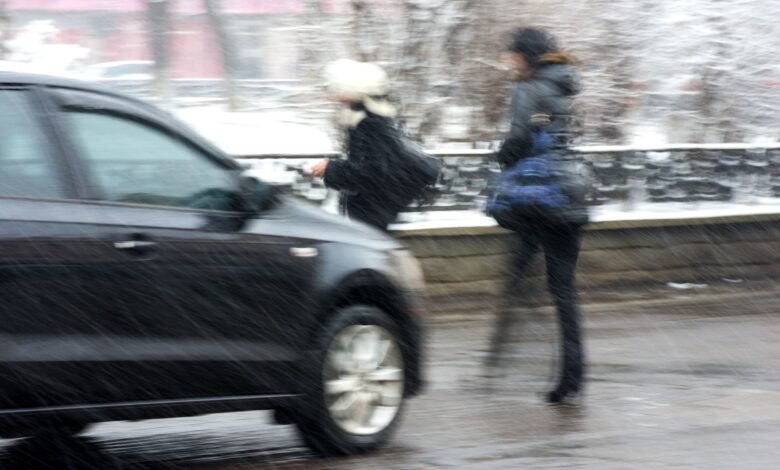
Pedestrian accidents rarely happen without warning signs. Busy intersections, hospital zones, school crossings, and high-traffic corridors throughout Hackensack place pedestrians in constant interaction with vehicles. When a collision occurs, the consequences are often severe because pedestrians have little protection against impact. What many injured individuals and families do not immediately realise is that New Jersey law provides specific legal protections for pedestrians, and understanding those protections is critical after an accident. Speaking with a pedestrian accident lawyer in Hackensack is often the first step in learning how legal duties, fault, and victim rights come together under state law.
Unlike minor traffic incidents, pedestrian accidents frequently raise complex legal questions. Determining who was legally responsible requires more than pointing to who was in the crosswalk. It involves analysing driver conduct, pedestrian behaviour, roadway conditions, and compliance with New Jersey traffic statutes.
Legal Duties Drivers Owe to Pedestrians in New Jersey
New Jersey law places clear responsibilities on drivers when pedestrians are present. Under state traffic regulations, motorists must yield to pedestrians who are lawfully within marked or unmarked crosswalks at intersections. This duty becomes even stronger in areas where pedestrian activity is expected, such as near medical centres, residential neighbourhoods, and school zones common throughout Hackensack.




Drivers are also required to exercise due care to avoid collisions with pedestrians, regardless of whether a crosswalk is present. This includes maintaining a proper lookout, obeying speed limits, and adjusting driving behaviour for weather or visibility conditions. Distracted driving, failure to yield, and speeding are frequent legal factors in pedestrian injury cases.
When drivers violate these duties, they may be held legally liable for the injuries that result, even if the pedestrian did not suffer life-threatening harm.
When Pedestrian Conduct Becomes Part of the Case
Pedestrian rights under New Jersey law are strong, but they are not absolute. Pedestrians are expected to follow traffic signals, use crosswalks where available, and avoid stepping into traffic suddenly. When an accident occurs, insurance companies often attempt to shift blame by claiming the pedestrian acted carelessly.
New Jersey follows a modified comparative negligence rule. This means an injured pedestrian may still recover compensation if they were partially at fault, as long as their responsibility does not exceed 50 percent. However, any compensation awarded is reduced by the pedestrian’s percentage of fault.
For example, if a pedestrian is found 20 percent responsible for an accident, their recovery is reduced by that amount. Understanding how this rule applies is critical, as fault assessments directly affect claim value.
Proving Fault in Pedestrian Accident Claims
Fault in pedestrian accident cases is established through evidence rather than assumptions. Police reports, traffic camera footage, surveillance video, eyewitness statements, and accident reconstruction analysis all play a role. In Hackensack, where traffic congestion and complex intersections are common, these details can significantly influence legal outcomes.
Medical records are also essential. Pedestrian injuries often involve fractures, head trauma, or soft tissue damage that worsens over time. Consistent treatment documentation helps connect the injuries directly to the accident, strengthening the legal claim.
Because insurers often scrutinise pedestrian cases closely, even small gaps in evidence may be used to argue reduced liability or deny claims altogether.
See also: What the Law Says About Clergy Sexual Abuse?
Victim Rights Under New Jersey Law
Pedestrians injured due to another party’s negligence have the right to seek compensation for both economic and non-economic damages. These may include medical expenses, rehabilitation costs, lost income, reduced earning capacity, and pain and suffering.
New Jersey’s no-fault insurance system adds another layer of complexity. In many cases, a pedestrian’s own auto insurance—or that of a household family member—may provide initial medical coverage through Personal Injury Protection (PIP). When injuries are serious, victims may pursue claims against the at-fault driver for additional damages.
The statute of limitations is another critical legal factor. In New Jersey, most personal injury claims must be filed within two years of the accident date. Missing this deadline can permanently bar recovery, regardless of how strong the case may be.
Why Local Legal Insight Matters
Pedestrian accident cases are shaped by local road design, enforcement patterns, and regional traffic risks. Hackensack’s mix of commercial corridors, residential streets, and healthcare facilities creates unique accident scenarios that require careful legal analysis. Working with a pedestrian accident lawyer in Hackensack allows victims to navigate New Jersey law with an understanding of local conditions, court procedures, and insurance practices.
Legal guidance also helps protect victims from early missteps, such as giving recorded statements or accepting settlements before the full impact of injuries is known.
Steps Pedestrian Accident Victims Should Take
After a pedestrian accident, early actions can influence the strength of a claim. Seeking immediate medical care, even for symptoms that seem minor, helps establish a clear injury record. Reporting the accident to law enforcement, gathering witness information, and preserving photos or video evidence can also be crucial.
Victims should be cautious when communicating with insurance companies. Statements made without legal guidance may be taken out of context or used to minimise liability.
Conclusion: Understanding Rights Is the First Step Toward Accountability
Pedestrian accidents are not just traffic incidents—they are legal events shaped by duties, fault rules, and statutory protections. New Jersey law recognises the vulnerability of pedestrians and imposes clear responsibilities on drivers, but enforcing those rights requires knowledge and careful legal handling.
Understanding how pedestrian accident cases work in Hackensack empowers injured individuals to make informed decisions during a stressful time. Legal clarity helps ensure that responsibility is properly assigned and that victims are not left carrying the burden of injuries caused by someone else’s negligence. In these cases, awareness of the law is not just helpful; it is essential.