Emergencies arrive without invitation. They unfold in supermarkets, schools, homes, and on busy roads—moments when seconds matter and actions can determine who lives and who doesn’t. Most people freeze, not from lack of care, but because they don’t know what to do. Rather than panic, preparation allows an individual to respond clearly in the face of chaos. Knowing how to stay calm, assess quickly, and deliver meaningful aid can transform you from a witness to a critical link in someone’s survival. These situations don’t require perfection—they require presence and practice. Life-saving actions aren’t reserved for paramedics or emergency personnel. With the right mindset and a few foundational skills, everyday people can make a dramatic difference.
Key skills and mindset for effective emergency response
- Recognizing When Action Is Needed
The first challenge in an emergency is realizing it’s happening. Many life-threatening events unfold quietly—someone collapses silently, a child stops breathing, or a person becomes unresponsive behind the wheel. The earlier a problem is identified, the faster help can be provided. This recognition begins with situational awareness. Instead of assuming someone else will step up, make it your instinct to observe, approach, and check. Tap the person gently, ask if they’re okay, and check for consciousness. If there’s no response, don’t hesitate to call emergency services. This call should come before any intervention unless you are alone and performing CPR. Noticing the signs, trusting your instincts, and deciding to intervene is the first bridge between witnessing an emergency and helping to resolve it.
See also: Comprehensive STD Testing for Better Health


- Maintaining a Safe Scene
Responding to an emergency starts with assessing the surroundings. Jumping in without checking for danger can result in more victims or injuries. Safety is not selfishness—it’s a necessity. Before approaching, ask yourself: Is there fire? Broken glass? Ongoing traffic? Slippery surfaces? If it’s not safe, don’t rush in blindly. Create a protective space around the individual. Move furniture, ask others to stand back, and make room for responders to enter if help is on the way. If indoors, unlock doors or gates. Outdoors, signal traffic or block the area using visible objects. While your instinct may be to tend to the victim immediately, stabilizing the environment makes further aid possible without creating chaos. A calm and ordered space supports both the responder and the injured person.
- Delivering Immediate Aid
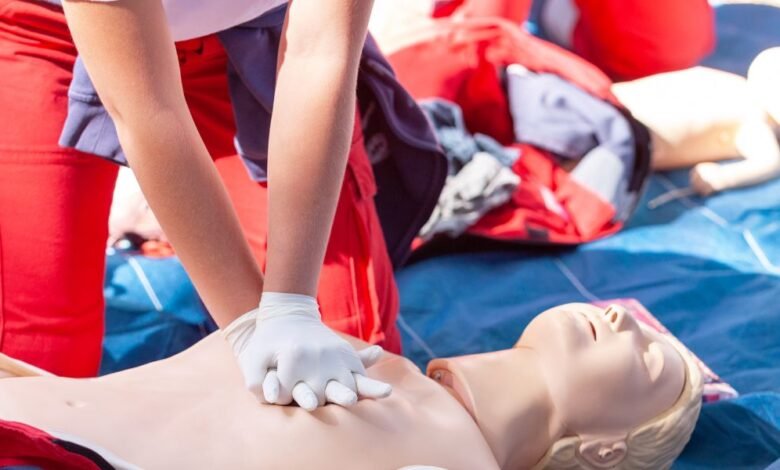
Once it’s safe and emergency help is en route, immediate care becomes your focus. You don’t need complex equipment to save a life—what matters is speed, clarity, and confidence. Control bleeding by applying direct pressure. If the person is unresponsive but breathing, gently place them in the recovery position. For someone not breathing, begin chest compressions. These are simple yet powerful actions that sustain life until professionals arrive. When someone chokes, abdominal thrusts can restore their airway. In these moments, training pays off. First aid and CPR training teaches how to deliver these interventions safely and effectively. The more familiar you are with these skills, the less hesitation you’ll have under pressure. It’s not about doing it perfectly; it’s about doing it at all—and doing it fast.
- Staying Focused Under Pressure
During a crisis, adrenaline surges through your body. Time feels distorted. Breathing may become shallow; thoughts may scatter. That’s normal. The key is to anchor yourself to the present moment. Take one deep breath. Ask yourself: What’s the one thing I can do next? Whether applying pressure to a wound or counting compressions, having a mental checklist helps ground your actions. Speak clearly. Assign tasks to bystanders when possible—ask someone to direct emergency crews, hold a light, or comfort family members. Remaining composed doesn’t mean you aren’t feeling the weight of the situation; it means you’re managing your response to it. The more you practice staying focused, even hypothetically, the better you’ll respond when emergencies arise.
- Supporting Emotional and Physical Stability
Not every life-saving moment is medical. Often, keeping someone mentally calm can prevent a condition from worsening. A conscious person in pain or distress might panic, leading to elevated heart rates, difficulty breathing, or even passing out. Reassurance is powerful. Let them know help is coming. Hold their hand, maintain eye contact, and encourage steady breaths. Physically, keep them warm with jackets or blankets and avoid giving them anything to eat or drink unless advised by dispatchers. The human connection during a frightening moment provides comfort beyond words. Your calm presence can be just as life-sustaining as any physical intervention.
- Adapting to Complex Emergencies
Some emergencies include multiple victims, ongoing threats, or unusual conditions like floods or electrical hazards. These moments require adaptability. If you’re trained, apply triage principles: attend to those most in need with the highest survival chance. If not, focus on who you can reach safely. In storms or natural disasters, people move away from structures or vehicles to higher ground. In cases of trauma, avoid moving the injured unless there’s immediate danger. Emergencies evolve quickly, and the ability to adjust your response as the scene changes is essential. You may begin assisting one person and later switch roles when paramedics arrive, becoming a source of information or crowd control. Being flexible yet intentional in your efforts makes your support even more valuable.
Empowerment Through Preparation
Saving a life isn’t reserved for professionals in uniforms. Given the awareness, training, and willingness to act, anyone can do it. Emergencies don’t wait for convenience or clarity—they demand immediate attention, clear thinking, and compassionate effort. You become a vital link in the chain of survival by learning how to recognize distress, manage the scene, provide simple yet powerful care, and stay calm under pressure. The decisions made in the first minutes of a crisis are often the most important. And when those decisions come from a place of preparation and confidence, the odds of survival shift dramatically. Whether it’s a stranger on the street or a loved one at home, your actions can mean the difference between tragedy and recovery. Take time to prepare. Your hands may one day hold the key to someone’s second chance.