Choosing appropriate generators for your home involves thoughtful consideration of many variables so that you can make a sensible choice. Power outages can occur at any moment, and timely backup power gives your family members peace of mind and keeps essential appliances in top working condition.
Understanding Various Generators
When you shop, you will notice several types of home generators. Permanently installed standby generators are installed on your land and turn on automatically if the power is lost to supply your entire home with power for some hours. They are hooked up directly to your home’s propane or natural gas line and are employed in houses that need an unbroken supply of electricity for medical equipment or large appliances.
Portable generators provide portability and affordability and are ideal for infrequent usage or where electricity is needed in more than one location. They will generally be gas-powered and can be transported, but will have to be hand-fired and will not be as powerful as a standby generator. Portable generators are most likely to be equipped with wheels and are light enough to be easily portable for outdoor recreation or emergency standby.



Calculating Your Power Requirements
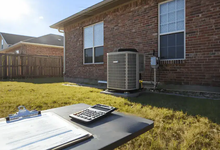
Your estimates of electricity requirements are the foundation of choosing a generator. Make a list of devices you want to run during an outage, including refrigerators, lights, fans, and heaters. Each device comes with run watts for ongoing use and startup watts for first power-on, with motors such as air conditioners consuming way more power when starting up.
Keep in mind that a standard fridge will draw 600-800 watts when it’s running, but up to 1200-2000 watts to start. Air conditioners draw even more, and a one-tonne unit will consume 1000-1500 watts continuously and up to 3000 watts to start. Running these loads continuously determines the minimum capacity generator your home will require.
See also: Top Garage Storage System Ideas for Every Home
Fuel Type Considerations
Generator fuel source options have a strong impact on operation cost, convenience, and maintenance cycles. Natural gas generators tap into your home’s gas line, with no refuelling issues and continuous operation during longer outages. The units are lower maintenance and offer reasonable performance for standby use.
Gasoline generators are highly convenient and best suited for periodic usage, but need to be refuelled constantly, and gasoline cannot be stored onboard for permanent storage. Propane generators have fewer emissions and can store fuel onboard for permanent storage, so they are being used in an environmentally friendly manner to be utilised for occasional usage. Diesel generators are efficient in fuel and portable, but need more maintenance than others.
Budget and Long-term Value
Generator costs differ considerably by model, size, and options, ranging from inexpensive portable models to a significant cost in whole-house systems. Portable generators are cheaper upfront, but perhaps they cost more to buy gasoline to power them and, in the long run, to service them. Standby generators cost more upfront but offer automatic starting and more convenience for extended outages.
Conclusion
Take your local climate, rate of power outages, and special home requirements into account when determining long-term value. Those with frequent or extended outages will enjoy standby systems, which are worth it, but those with rare outages can manage with portable units.