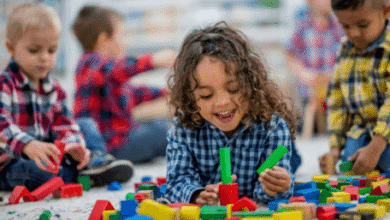
The morning battle is real. Your child drags their feet getting ready for school. They complain about stomach aches that mysteriously disappear on weekends. You watch them become smaller versions of themselves as they walk through those school gates.
Something feels off. You’re not imagining it.
Traditional schooling works brilliantly for many children. But not all. Some kids need something different. They need space to breathe, time to think, and a learning environment that bends around them instead of forcing them to fit a rigid mold.


Online primary schools offer a different path. Not better or worse. Just different. Here are five signs your child might flourish in this type of setting.
1. Your Child Struggles With the Social Pressure
Playtime isn’t always play. For some children, the social dynamics of a bustling playground feel overwhelming. They might withdraw during break times or come home emotionally drained from navigating complex peer relationships all day.
This doesn’t mean they’re antisocial. Far from it. Many children simply process social interaction differently. They might prefer deeper connections with fewer people rather than managing large groups. They might need quiet time to recharge after being “on” all day.
Small class sizes can change everything. When your child isn’t competing for attention amongst thirty others, they often find their voice. They participate more. They ask questions without fear of judgment. The pressure valve releases.
Online learning creates natural boundaries. Social time happens during lessons and structured activities. Downtime is actually downtime. Your child can build friendships without the exhaustion of constant social navigation.
2. They Have Passions That Don’t Fit the School Timetable
Maybe your child trains for gymnastics every afternoon. Perhaps they’re learning violin and need morning practice sessions. Or they might be that kid who wants to spend hours building intricate Lego creations or writing stories.
The standard school day doesn’t accommodate these rhythms. It can’t. When you’re managing hundreds of students, flexibility becomes impossible. Your child’s passion gets squeezed into evenings and weekends. They’re already tired. The thing they love starts feeling like a chore.
Flexible scheduling changes this completely. Morning learners can tackle maths at 8am. Night owls can save reading for after lunch. Training sessions fit around lessons instead of battling against them.
British curriculum standards still apply. Your child covers the same material. They sit the same assessments. But the journey looks different. It bends around their life instead of demanding their life bends around it.
See also: Elevating Careers Through Professional Pilates Education
3. Traditional Classroom Environments Trigger Anxiety
Some children walk into school confidently. Others feel their chest tighten the moment they see the building. Anxiety doesn’t discriminate. It affects bright, capable children just as much as anyone else.
The triggers vary. Loud noises in crowded corridors. Fear of asking to use the toilet. Worry about making mistakes in front of others. For some kids, the physical environment itself creates constant low-level stress.
You might notice physical symptoms. Headaches. Stomach problems. Sleep difficulties. Your child might become irritable at home or unusually clingy. These aren’t manipulation tactics. They’re genuine distress signals.
A calmer learning space can help. When your child learns from home, they control their environment. They can stand up and move when needed. They can work in comfortable clothes. They can use the bathroom without asking permission.
Teachers still provide structure and support. Lessons still happen at set times. But the physical pressure disappears. Many parents report watching their children relax and rediscover their love of learning.
4. They Need More Individual Attention Than Large Classes Can Provide
Thirty children. One teacher. The maths is simple and slightly heartbreaking. Even the most dedicated teacher can only spread themselves so thin.
Your child might need concepts explained differently. They might grasp things quickly and need extension work. They might benefit from visual learning approaches that textbooks don’t provide. In a large class, these needs often go unmet.
This isn’t anyone’s fault. Teachers work incredibly hard. But the system has limitations. When your child consistently comes home confused or bored, something needs to change.
Smaller groups mean more speaking time. More opportunities to ask questions. More chance for teachers to notice when understanding wobbles. Your child isn’t a face in a crowd. They’re known.
Qualified teachers still lead every lesson. The academic standards remain high. But your child actually gets heard. That difference matters more than most people realize.
5. Your Family Life Doesn’t Follow Conventional Patterns
Not every family lives in one place all year. Some travel for work. Others split time between countries because of family commitments. Some just prefer location freedom.
Traditional schooling demands physical presence. Miss a week and your child falls behind. The homework piles up. The teacher barely remembers their name when they return.
Location shouldn’t limit education. If your internet connection works, your child can log into their lessons. From Cornwall or Costa Rica. From Birmingham or Bangkok. The classroom travels with you.
This matters for military families. For families with international careers. For families caring for relatives abroad. For families who simply want the freedom to live differently.
Your child maintains continuity. Same teachers. Same classmates. Same curriculum. The world outside their window might change, but their education remains stable.
What This Actually Means
These signs don’t mean traditional school has failed. They mean your child might need a different approach. Education isn’t one-size-fits-all, despite what the system sometimes suggests.
Online primary schooling offers structure with flexibility. Academic rigour with wellbeing focus. Community without overwhelming social pressure. It’s not easy. Just different.
Some children genuinely thrive in traditional settings. The routine works for them. The social environment energises them. The physical classroom helps them focus. That’s brilliant.
But if you’re reading this and nodding along, if you recognize your child in these descriptions, it might be time to explore alternatives. Your instinct that something isn’t quite right probably deserves attention.
Education should help your child flourish. It should build confidence alongside knowledge. It should leave them curious, not exhausted. When that’s not happening, change becomes worth considering.
Moving Forward
Trust what you see. You know your child better than anyone else. If traditional schooling feels like forcing a square peg into a round hole, you’re probably right.
Online primary education has evolved considerably. It’s not isolated children staring at screens alone. It’s live lessons with real teachers. Small classes with actual interaction. Proper qualifications that universities and employers recognize.
Your child deserves an education that fits them. One that acknowledges their needs without making them feel broken for having those needs. One that builds on their strengths while supporting their challenges.
That education might look different from what you imagined. Different isn’t wrong. Sometimes it’s exactly right.