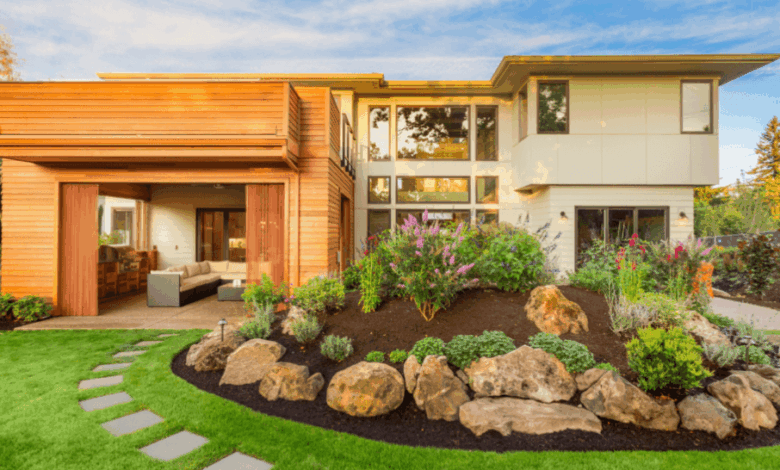
More than one in ten homes with balanced landscaping and practical hardscaping sell for up to 12% more. This is compared to homes dominated by concrete. This difference can be key in tight Canadian markets.
Homeowners who invest in thoughtful backyard features see two clear gains. They get increased curb appeal and better everyday comfort. Combining green space with smart hardscaping improves drainage and reduces heat islands. It makes outdoor living in Canada feel intentional, not an afterthought.
Experts at ShrubHub warn that overgrown or mismatched plantings and poorly built water features can cut offers. On the other hand, well-placed fire features, clean-edged beds, and quality patios often increase resale interest. MG Construction & Decks adds that custom decks, shade structures, and outdoor kitchens deliver measurable returns when built right.



Practical Canadian backyard upgrades focus on durability, year-round use, and low maintenance. Simple choices like native plantings, a functional patio, good lighting, and a safe fire pit boost property value. They create a backyard comfort that appeals to buyers and families alike.
Backyard features that add measurable resale value
A well-planned yard can change how buyers see a home. Appraisers look out for issues like bad drainage and heat islands. Adding greenery and using permeable paving can fix these problems and make buyers more confident.
How strategic upgrades influence appraisals in Canada
Appraisers and real estate agents focus on durability and style. MG Construction & Decks says sturdy construction and finishes show a long-term investment. When upgrades match the home’s style, appraisals show higher quality and value.
Appraisals for backyard upgrades depend on upkeep and how well they fit. Too personal or not well-maintained can lower offers. But, well-done additions that solve problems tend to score better.
Value estimates for common upgrades (decks, patios, outdoor kitchens)
Real estate experts note that outdoor living space enhancements can significantly boost resale value. Projects like landscaping, patios, decks, and outdoor kitchens can make a big difference. Agustina found that mixing hardscape with plants can increase value by up to 12%.
The value of a deck depends on the materials and workmanship. Composite decks and stone patios are often favored because they’re easy to maintain and last long.
The return on investment for an outdoor kitchen varies. Features like built-in appliances and durable counters appeal to buyers who love to entertain. A well-designed outdoor kitchen can help justify higher prices.
Balancing lifestyle improvements with ROI
Planning your budget, getting the right permits, and hiring pros are key to returns. Focus on usability, curb appeal, and low upkeep to boost backyard ROI in Canada. Simple changes like native plants and defined patios can add value without breaking the bank.
Fire features designed by pros can really attract buyers. Agustina says they can increase appeal by up to 15%. Small, thoughtful changes usually work better than big, custom ones for broad appeal.
| Upgrade | Typical Impact on Buyer Perception | Considerations for ROI |
| Composite deck | Signals low maintenance and longevity | Higher upfront cost, stronger deck resale value |
| Stone patio | Adds curb and functional appeal | Permits and drainage planning affect net return |
| Outdoor kitchen | Creates lifestyle value for entertainers | Outdoor kitchen ROI tied to quality and integration |
| Native landscaping | Improves sustainability and low maintenance | Enhances resale value backyard with modest cost |
| Functional shed or studio | Adds usable square footage and versatility | Permits and construction quality determine appraisal |
Custom decks and patios for year-round outdoor living
Homes in Canada get more space when decks and patios are seen as part of the house. Choosing the right layout, materials, and drainage makes outdoor areas great for spring, summer, and mild fall. It’s important to make them comfortable and appealing to future buyers.
Material choices suited to Canadian climates
Composite decking is popular for being easy to care for and standing up to cold weather. It doesn’t fade or splinter like untreated wood, making it a smart choice for the long run. Treated lumber is cheaper and keeps a traditional look if it’s sealed and cared for regularly.
Natural stone and brick patios are durable and keep heat from the sun on cool nights. When picking patio materials in Canada, think about how slippery they are when wet and if you can find matching edges or steps.
Design tips for seamless indoor-outdoor flow and integrated seating
Make the deck or patio the same size as indoor rooms to create a smooth transition. Keeping heights and views the same makes furniture placement easy. Multi-level designs can create different areas without needing fences.
Built-in benches and planter walls add seating and soften edges. They also reduce the need for extra furniture. Features like a gas fire pit or a raised planter with evergreens make the space usable in cooler months and look finished, which attracts buyers.
See Also: 9 Innovative Financing Approaches for SMEs to Strengthen Cash Flow
Drainage and construction best practices to avoid problems
Proper grading is key. Surfaces should slope away from the house at least 2% to avoid water pooling near the foundation. A compacted sub-base and geotextile fabric under paving stones improve stability and reduce frost heave over time.
Install perimeter drains or French drains where water tends to collect. For raised decks, follow deck drainage best practices by allowing airflow under joists and using water-resistant membranes over ledger connections. Work with licensed contractors to ensure everything meets local codes.
| Feature | Best For | Maintenance | Climate Advantages |
| Composite decking | Low-maintenance terraces, family spaces | Occasional washing, trim debris | Resists moisture, fades slowly, no splinters |
| Treated lumber | Budget-friendly projects, classic look | Periodic staining or sealing | Durable when maintained, easier local repair |
| Natural stone | Formal patios, long-term value | Weed control in joints, occasional sealing | Thermal mass retains heat, long lifespan |
| Brick & pavers | Walkways, patterned patios | Joint sand refresh, reset settled units | Good drainage when set on permeable base |
| Design elements | Integrated seating, planters, fire features | Minimal if built-in; follow component care | Enhances year-round usability and staging |
Hardscaping and circulation that improve function and curb appeal
Good hardscaping mixes beauty with usefulness, making a yard feel right and flow well. In Canada, it’s all about balance. Stone, concrete, and plants should work together to avoid heat-island effects and control water. Thoughtful layouts guide guests, protect slopes, and frame outdoor living zones.
Paver walkways are a common start. They connect the house to patios, shed entries, and garden gates. Well-laid paver walkways create clear paths, add a finished look, and withstand Canadian weather.
Retaining walls make sloped sites usable by carving level terraces for seating, paths, and planting. When paired with raised planters, they form tidy beds that reduce erosion and give gardeners easy access. Scale is key; walls that are too tall feel heavy, while modest heights add permanence and function.
Permeable paving options—permeable pavers, gravel-set systems, and porous asphalt—help manage runoff and meet municipal stormwater rules. Permeable paving supports groundwater recharge and cuts the volume sent to storm sewers, reducing the impact of heavy rain.
Hardscape layout defines outdoor rooms: a clear route from kitchen to dining area, a private lounge tucked behind a low wall, and a play zone separated by a planted berm. This spatial definition improves daily use and boosts curb appeal by creating a composed landscape that feels intentional.
Maintenance and drainage deserve early attention. Integrating plantings with hard surfaces softens edges and improves infiltration. Clean edges, coherent beds, and a mix of native shrubs reduce long-term upkeep while enriching biodiversity across yards in hardscaping Canada projects.
| Hardscape Element | Primary Benefit | Considerations in Canada | Typical Materials |
| paver walkways | Directs circulation; visual anchor | Proper base and jointing to resist freeze-thaw | Concrete pavers, natural stone, interlocking blocks |
| retaining walls | Creates usable terraces; controls erosion | Drainage behind wall and correct footing are essential | Segmental concrete, natural stone, timber |
| raised planters | Improves access; defines beds and microclimates | Use frost-protected construction and rot-resistant materials | Cedar, concrete block, corten steel |
| permeable paving | Reduces runoff; meets stormwater rules | Select system for soil type and expected traffic | Permeable pavers, gravel-set, porous asphalt |
| Hardscape layout | Defines outdoor rooms; improves flow | Scale paths to foot traffic and sight lines | Combination of materials for contrast and function |
Outdoor kitchens and dining areas that elevate entertainment value
An outdoor kitchen can make a backyard a top spot for fun. In Canada, planning is key to make these areas perfect for all seasons. They also boost the appeal for those dreaming of summer barbecues and cozy weekend meals.
Buyers want practical features for easy hosting. A built-in grill, prep counters, and storage create a smooth workflow. Bar seating and a separate fridge for drinks let hosts serve without interruptions.
Choosing the right materials is important for durability and easy care. Countertops made from granite, sealed concrete, or porcelain stand up to weather. Stainless steel cabinets and marine-grade finishes fight off corrosion, fitting well in Canada’s climate.
Safety and good airflow are must-haves in design. Proper spacing, vent hoods, and following local codes protect everyone. Getting a pro to install it reduces fire risks and ensures gas and electrical systems work right.
Design choices affect how a space feels and its resale value. A simple layout is more appealing than a fancy cooking area. Adding features like a pizza oven or wine fridge makes the space more attractive.
Good lighting, strong patio surfaces, and greenery around the kitchen enhance its look. These details make the outdoor space feel like part of the home. This boosts comfort and makes listings stand out.
| Feature | Why it matters | Typical material or option | Impact on outdoor dining resale value |
| Built-in grill | Central cooking element that defines the kitchen | Commercial-grade stainless steel | High—seen as a permanent upgrade when well integrated |
| Prep counters | Improves workflow and serving speed | Weatherproof countertops: granite, porcelain, sealed concrete | Medium–High—durable surfaces signal quality |
| Storage and cabinets | Keeps tools and gear organized, reduces clutter | Marine-grade stainless or powder-coated aluminum | Medium—adds functional value and neat appearance |
| Appliance extras | Enhances luxury and versatility for entertaining | Pizza oven, wine fridge, side burners | Variable—broad appeal if not overly specialized |
| Lighting and seating | Extends use into evening and frames social areas | LED task lights, built-in bar seating | High—improves mood and staging for showings |
| Ventilation and safety | Protects structure and ensures code compliance | Hood vents, proper clearances, certified installers | High—essential for insurance and buyer confidence |
Shade structures and pergolas that increase usability
A well-designed shade structure can make your backyard usable all year in Canada. It turns your outdoor space into perfect spots for meals, reading, and parties. When picking a shade structure, think about how well it lasts, how much sun it gets, and local laws.
Pergola, gazebo, and retractable-cover options for Canadian seasons
Pergolas in Canada are often made from durable materials like pressure-treated wood, aluminum, or composite. These materials help them withstand harsh weather. A well-built pergola can also add beauty and value to your home.
Gazebos come in many styles, like vinyl or metal for easy care, or wood for a classic look. Each type affects how much work you’ll do to keep it up and what it looks like in your yard.
Retractable covers offer flexible shade and sun. You can choose motorized or manual options for your patio. They help keep snow and ice off when you close them up for winter.
Integrating lighting, fans, or heaters for extended comfort
Adding LED lighting and ceiling fans can make your patio usable longer. Fans keep you cool in summer and keep bugs away. LED lights from Philips or Cree are bright but save energy for evening use.
Outdoor heaters let you enjoy your patio even on chilly nights. Infrared heaters from Bromic or Napoleon are efficient and warm just the right area. Make sure to place them where they won’t get blown away by wind.
Using a mix of soft lighting, fans, and heaters creates cozy spots for enjoying your patio all year. This makes your home more inviting and can even increase its value when you sell.
Permits and sizing considerations for permanent shade structures
Before you start building, check if you need a permit from your local government. Cities like Toronto and Vancouver have rules about how far apart structures can be and how high they can go. Following these rules saves you from fines and costly changes later.
The size of your structure matters for your neighbors and how it holds up to weather. Big structures might need special anchors and a stronger base to handle snow and wind. Smaller ones might not need permits but should be installed correctly.
When placing heaters or fire pits, keep them at least ten feet away from buildings and overhangs. This reduces the risk of fires spreading.
| Option | Best for | Typical materials | Permit likelihood | Comfort add-ons |
| Pergola (permanent) | Architectural interest, defined rooms | Pressure-treated wood, aluminum, composite | High — often requires permits | Recessed lighting, ceiling fans, outdoor heaters |
| Freestanding gazebo | Standalone shelter, focal point | Wood, vinyl, metal | Medium — depends on size and foundation | Hanging lights, infrared heaters, mosquito screens |
| Retractable covers | Flexible shade and sun control | Fabric awnings, aluminum frames | Low to medium — motorized systems vary | Integrated lighting, wind sensors, motor controls |
| Patio covers (attached) | Weather protection, seamless access | Polycarbonate, metal, treated wood | High — often treated as building addition | Ceiling fans, recessed lights, outdoor heaters |
Water features and pools done right for long-term value
Water features can make a backyard calm and attractive. They must look good and be easy to care for. Badly made ponds or pools can scare off buyers with their upkeep and mosquito issues.
On the other hand, modern and well-built water features can boost a home’s appeal.
Low-maintenance fountains and recirculating systems
Opt for a small, recirculating fountain with sealed pumps and filters that are easy to get to. These systems save water, cut down on chemicals, and lower evaporation. A small fountain is easier to maintain than a big pool and keeps costs steady for homeowners in Canada.
Pool choices: full pool, plunge pool, and natural pools — pros and cons
Full pools offer the classic pool experience but cost more to heat, filter, and winterize. They can add value if you live in a place with long outdoor seasons.
Plunge pools are popular in Canada for their small size and lower cost. They cool quickly and need simpler systems, but they also require regular care and fencing to meet local laws.
Natural pools use plants and biological filters to create swimable ecosystems. They appeal to those who value nature but need careful planning and seasonal upkeep to avoid algae or bad smells.
Common pitfalls and professional installation tips
DIY water features can be a problem if they lack proper flow, liner, or mosquito control. Standing water without movement attracts insects and raises red flags. Costly fixes often come from bad grading, frozen pipes, or too small pumps.
Choose certified contractors who use standard pumps, biological filters for natural pools, and winter systems for Canada’s climate. Make sure the equipment is easy to reach and service to keep maintenance affordable and simple.
Landscaping strategies: native plants, maintenance, and visual impact
A good planting plan connects your yard to your home and the local area. Using native plants in Canada is smart because they fit the soil and weather. They also save water and help birds and bees.
MG Construction & Decks uses these ideas. They add modern irrigation and smart plant placement. This makes your yard look great and easy to care for.
Benefits of native and drought-tolerant species in Canada
Native plants are a great choice for Canadian yards. They need less food and pest control. This means you save money on water and keep your plants healthy when it’s dry.
These plants are tough. They bounce back quickly from cold snaps or hot weather.
Creating clean edges, coherent plant beds, and a few statement plants
Clean lines and defined beds make your yard look neat. Use materials like steel or stone for edges. This keeps the lawn and plants separate.
Using the same plants and textures makes your yard look good. It’s like a work of art.
One special tree or shrub adds focus to your design. It’s like a centerpiece. Make sure trees and shrubs are far from your house to avoid problems.
Seasonal interest planning for year-round curb and backyard appeal
A garden that changes with the seasons keeps your yard interesting all year. Use evergreens for winter, bulbs for spring, and summer flowers for the peak season. Add late fruits or seed heads for fall.
This way, your yard stays beautiful and wildlife-friendly all year.
Outdoor lighting and smart controls for ambiance and security
A well-planned lighting scheme can turn a backyard into a usable space after dark. In Canada, homeowners find that simple fixtures and thoughtful placement extend evenings and reduce safety risks. Energy-efficient choices keep operating costs low while improving curb appeal.
LED accent lighting for trees, pathways, and water features
LED landscape lighting can highlight specimen trees, define walkways, and add shimmer to ponds or fountains. Low-voltage LED fixtures deliver bright, consistent color with minimal heat. Spot lights and narrow-beam uplights create drama around trunks while path lights guide guests safely along steps and garden edges.
Smart timers, motion sensors, and integration with home systems
Smart outdoor lighting systems let owners schedule scenes that match seasonal sunset times. Adding smart outdoor lighting controls means lights can dim, change color temperature, or activate only when needed. Motion sensor lights reduce wasted energy and add an instant layer of security near entries and driveways.
How good lighting increases perceived value and safety
Buyers often cite nighttime appeal when valuing a property. Thoughtful fixtures and reliable controls raise lighting resale value by improving perceived safety and usability. Homes that showcase patios, gardens, and water features after dark tend to command stronger offers in competitive markets.
| Feature | Typical Benefit | Cost Range (CAD) | Impact on Nighttime Use |
| LED landscape lighting | Low energy, long life, clear accent lighting | $800–$3,000 | High; good for trees, beds, and water features |
| Smart outdoor lighting hub | Scheduling, remote control, scene setting | $150–$600 | Medium; adds convenience and automation |
| Motion sensor lights | Security activation, energy savings | $40–$300 | High; instant illumination for entries and paths |
| Recessed structure lighting | Discrete, integrated illumination for pergolas | $200–$1,200 | High; extends comfort under shade structures |
| Professional lighting design + install | Balanced scenes, proper wiring, warranty | $1,200–$5,000+ | Very high; maximizes aesthetic and safety gains |
Privacy, fencing, and green screens that protect and beautify
A well-planned boundary is both functional and beautiful. Homeowners in Canada look for privacy without sacrificing curb appeal. They choose solutions that let in light and create private areas without feeling trapped.
Material choices: wood, vinyl, metal, and living screens
Wood fences are classic and complement many homes. Cedar and spruce wood ages well with the right care. Vinyl fences need little upkeep and are great in wet climates.
Metal fences, like aluminum or steel, offer a modern look and last long. Horizontal slats make fences look contemporary while keeping air flowing. Trellises with climbing plants add beauty and privacy.
Plant-based privacy solutions and placement to avoid foundation issues
Privacy plants should be chosen carefully and placed thoughtfully. Evergreens, grasses, and shrubs create effective screens. But, avoid planting trees with aggressive roots near foundations.
Use barriers to protect roots and keep plants away from the house. Native plants like Thuja occidentalis are good choices. With the right mulch and grading, plants enhance privacy without harming the home.
Designing privacy without creating a closed-in feeling
Keep sightlines open by placing taller plants at the edges. Use pergolas for overhead privacy while letting in light. Gates and fences should frame the house, adding to its appeal.
Alternate solid panels with open sections or hedges to stay connected with the neighborhood. Add thoughtful lighting and plantings to keep outdoor spaces welcoming.
Fire features and outdoor fireplaces: safety and appeal
A well-placed fire feature can turn a backyard into a cozy spot for gatherings. In Canada, buyers look for quality design, safety, and the ability to use it all year. The right placement, fire pit safety, and following local codes are key for comfort and resale value.
Safe placement guidelines and local code considerations
Make sure to place fire elements at least 10 feet away from buildings and trees. Many cities in Toronto, Vancouver, and Calgary have rules about how close you can have a fire to property lines. Always check local laws and talk to building officials before starting or using a fire feature.
Think about the wind when choosing a spot for your fire feature. A spot sheltered from the wind helps keep smoke away from patios and houses nearby. Keep flammable items like wooden pergolas and cushions far from the fire.
Portable fire pits vs. built-in fireplaces: pros, cons, and ROI
Portable fire pits are easy to move and don’t cost much upfront. They’re great for those who like to change things up. The debate is often about convenience versus the look of a permanent feature.
Built-in fireplaces cost more but can be a big draw. They’re best installed by a pro with materials like masonry or stainless steel. Studies show they can make a house seem more valuable. The ROI is better if you get the right permits and use quality materials.
Comfort and staging: seating, wind patterns, and seasonal use
Arrange seating to make a circle for socializing while keeping a safe distance. Use tough cushions and fabrics like Sunbrella for comfort that lasts.
Add lights and heat for colder months. A fire feature with good seating and paths makes a house inviting all year. This boosts the house’s appeal when you list it.
Quick checklist:
- Confirm local codes and permits before installation.
- Keep a minimum 10-foot clearance from structures and trees.
- Account for prevailing winds when choosing location.
- Choose materials and installation methods that support built-in fireplace ROI.
- Consider portable fire pit pros cons for flexibility and budget.
Functional additions: storage, sheds, play areas, and sustainability
Upgrading your backyard can make daily life better and increase your home’s value. Adding storage, sheds, play areas, and green systems is smart. These changes don’t cost a lot but make a big difference.
Choose features that fit your home’s style. This way, they will look good for years to come. Buyers will love the ready-to-use outdoor spaces.
Well-designed sheds and guest studios that add usable square footage
Sheds that are strong, insulated, and have electricity and climate control are great. They’re not just for storing things anymore. In Canada, experts like MG Construction & Decks suggest matching the shed to your house for a nice look.
A guest studio can be a big plus. It can be used for guests, a home office, or even for family members. This adds value and space.
Family-friendly play zones and adult recreation areas that broaden buyer appeal
Create safe play areas with soft surfaces and clear views. Add things like playsets, sports courts, or bocce areas for families. These features attract families and active people.
For adults, consider a quiet reading spot or a putting green. These areas appeal to more buyers without needing big changes.
Sustainability features: rainwater harvesting, permeable paving, and solar options
Rainwater harvesting can save on water bills and help plants grow. Permeable paving manages stormwater and meets local standards. Solar features like lights and outlets are convenient and save money.
Getting professional help ensures everything is done right. These upgrades add value in many ways. They provide storage, extra rooms, appeal to families, and help the environment.
Conclusion
Homeowners should pick a few key updates that are versatile, easy to maintain, and safe. A good patio or deck, evergreen plants, outdoor lights, and a flexible shade are top choices. These features work well all year in Canada and don’t need a lot of upkeep.
Quality and smart design are key to adding value to your outdoor space in Canada. Getting help for big projects like outdoor kitchens, pergolas, and pools is a good idea. It makes things safer and can help sell your home faster. Using permeable paving, native plants, and efficient watering systems also helps the environment and saves money in the long run.
When planning upgrades, think about your budget, the weather, and how much upkeep you can handle. A well-thought-out layout that’s easy to use, safe, and follows local rules is best. This way, your yard becomes a valuable part of your home and can increase its value in Canada.