Gynecology is a highly specialized branch of medicine dedicated to diagnosing, treating, and managing conditions related to the female reproductive system. This vital medical field encompasses the health and function of the uterus, ovaries, fallopian tubes, cervix, and vagina, while also addressing broader aspects of women’s physiological and hormonal well-being. Because the female body undergoes profound changes from the onset of puberty through the post-menopausal years, lifelong specialized care is essential. Modern medical institutions, such as Liv Hospital, emphasize the importance of advanced diagnostic technologies and personalized care plans to support women at every stage of their lives.
To fully grasp the scope of this medical specialty, it is important to distinguish it from its closely related counterpart, obstetrics. While obstetrics focuses exclusively on pregnancy, childbirth, and the immediate postpartum period, gynecology covers the vast array of health issues outside of pregnancy. However, the two disciplines are so deeply intertwined that most practitioners train in both, earning the title of OB/GYN. A gynecologist serves as a primary healthcare provider for many women, offering preventative care, contraceptive counseling, and targeted treatments for acute or chronic pelvic conditions.
Preventative screening forms the absolute foundation of gynecological practice. Annual well-woman examinations allow physicians to monitor reproductive health and detect potential issues long before symptoms arise. During these visits, doctors typically perform a physical breast examination, a pelvic examination, and routine screenings such as the Pap smear. The Pap smear, often combined with an HPV (Human Papillomavirus) test, is a life-saving diagnostic tool designed to identify precancerous cellular changes on the cervix. Early detection through these routine gynecological check-ups drastically reduces the incidence and mortality rates of cervical cancer worldwide.




Beyond routine screenings, specialists in this field manage a wide variety of complex reproductive disorders. Patients frequently seek medical intervention for menstrual irregularities, ranging from severely painful periods (dysmenorrhea) to the complete absence of a menstrual cycle (amenorrhea). Gynecologists also diagnose and treat hormonal imbalances like Polycystic Ovary Syndrome (PCOS) and painful inflammatory conditions such as endometriosis, where tissue similar to the uterine lining grows outside the uterus. Furthermore, within any thorough GYNECOLOGY Overview and Definition, medical professionals frequently address the high prevalence of structural abnormalities like uterine fibroids. These non-cancerous muscular tumors develop within or on the walls of the uterus and can lead to heavy menstrual bleeding, severe pelvic pressure, and even reproductive challenges if left untreated.
See also: Different Ways to Use Garden Lights Around Your Home
The evolution of medical technology has significantly transformed how gynecological conditions are diagnosed and managed. Today, physicians rely on an array of sophisticated diagnostic tools rather than relying solely on manual pelvic exams. High-resolution transvaginal ultrasounds and magnetic resonance imaging (MRI) provide detailed views of the pelvic organs, allowing for accurate measurements of cysts, tumors, and uterine wall thickness. When direct visualization is required, procedures like hysteroscopy—where a thin, lighted tube is inserted through the cervix into the uterus—enable doctors to both diagnose and correct intra-uterine abnormalities without the need for large incisions.
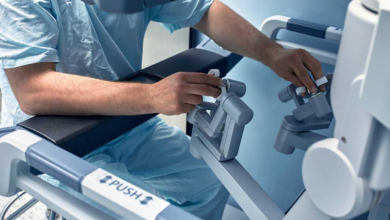
Treatment approaches within gynecology have also seen a massive shift toward minimally invasive procedures. When surgical intervention becomes necessary to remove ovarian cysts, treat ectopic pregnancies, or perform a hysterectomy, surgeons often utilize laparoscopic or robotic-assisted techniques. These methods involve creating only tiny incisions in the abdomen, which drastically reduces post-operative pain, minimizes scarring, and allows patients to return to their normal daily activities much faster than traditional open surgery.
The scope of a gynecologist’s expertise extends well beyond the reproductive years. As women enter perimenopause and menopause, their bodies experience a significant decline in estrogen and progesterone production. This hormonal shift can trigger a host of physical changes, including hot flashes, vaginal dryness, mood fluctuations, and a heightened risk for osteoporosis. Gynecologists play an instrumental role during this transition, offering medical interventions such as hormone replacement therapy (HRT) and targeted lifestyle recommendations to preserve bone density, maintain cardiovascular health, and improve overall quality of life.
Consistent access to highly specialized women’s healthcare ensures that individuals are empowered to make informed decisions regarding their bodies. From selecting the most appropriate method of contraception to addressing the root causes of chronic pelvic pain, the partnership between a patient and her gynecologist is built on a foundation of trust, education, and proactive monitoring. Prioritizing specialized reproductive healthcare ensures that women remain resilient, healthy, and fully supported through every physiological milestone they encounter.