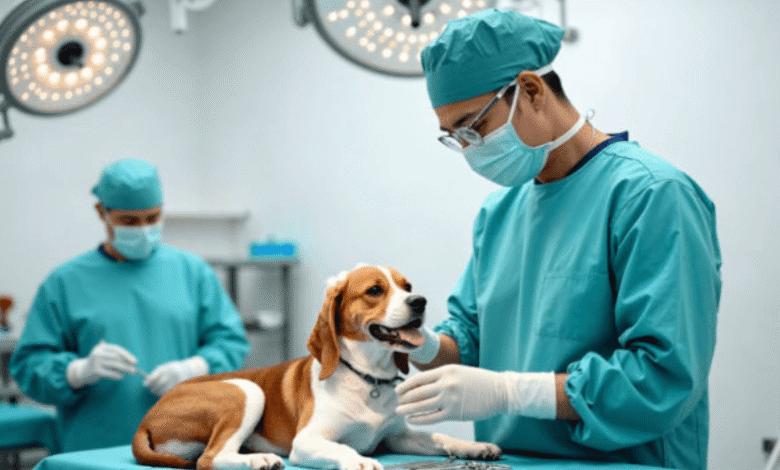
The emerging innovations in veterinary practice today focus on the employment of noninvasive techniques for aiding the healing of tissues and improving the comfort of animals. One of the innovations known widely to many people involves the utilization of lasers for treating injuries and pain among pets. Treatment through laser, cold laser, or photobiomodulation therapy makes it easier for pets to feel well and improve recovery.
Understanding how laser therapy works may assist one greatly in making a decision regarding whether to employ this method to alleviate suffering from injuries or immobility among one’s pets. Quality care of pets begins with choosing the right vet clinics to receive assistance; Cold Spring Veterinary Hospital is known for its up-to-date technological devices and regular assessment of treatment procedures.
Table of Contents
- The Science Behind Veterinary Laser Therapy
- Helping Pets Get Better Faster After Surgery
- Handling Long-Term Pain and Making Arthritis Easier
- Treating Sudden Hurts and Skin Problems
- What Happens During a Treatment Time
- FAQ
- Conclusion: Maximizing Pet Lifespan
The Science Behind Veterinary Laser Therapy
Lasers for veterinary treatment give off light. The light can penetrate the tissues and affect the body. Cold laser is completely different from surgical lasers. Neither does it involve cutting of tissues nor does it cause any heating effect on the tissues. The low-level lights emitted by this procedure penetrate the tissue without causing any damage. The moment these rays touch the injured cells, it triggers biochemical reaction to aid the production of ATP. Therefore, the energy within the cells increases.


Helping Pets Heal Faster After Surgery
Laser therapy can also help right after surgery. Using laser therapy where there is a wound helps them heal faster.
Laser helps boost collagen. This makes your tissue grow better. After surgery, a laser can help lower swelling. It works by starting the flow in the lymph and blood.
Managing Chronic Pain and Relieving Arthritis
In case the animal becomes older, it may have some problems with its joints. There will be certain problems, such as arthritis, that will make the animal feel some pain as well as have trouble when moving around. It is at this point that the use of lasers becomes important.
The treatment often helps to relax tight muscles. It also lowers joint swelling and helps the fluid around joints move with no trouble. In time, many animals feel less pain. They stand and climb better. They also become more active.
Treating Sudden Injuries and Skin Issues
Laser therapy does more than help with surgery and arthritis. They can offer an effective remedy for a variety of fast-appearing injuries to soft tissues and skin.
- Useful applications include:
- Deep muscle strains or sprains, tendon or ligament injuries
- Non-healing wounds or hot spots
- Areas a pet keeps licking
- Severe ear swelling
- Bruising and spots of blood under the skin
Laser therapy helps swelling go down and gets blood moving better in the area. This helps wounds heal more easily. It can also less the chance that scars will form.
What Occurs during the Procedure
One major reason why many pet owners opt for this therapy on their pets is because of the non-invasiveness and lack of pain in the process.
In this, the animal rests on a mat or a blanket. The technician and the animal both wear goggles. These keep their eyes safe. The technician slowly moves the laser hand tool over the area that needs to be treated. This treatment often takes five to twenty minutes.
See also: How Family Support Enhances Mental Health Treatment Success
FAQ
Are there any chances for side effects? There will be minimal risks for developing side effects since the treatment is done by qualified personnel and equipment. The use of laser treatment involves low energy levels and there are no negative effects from heating the tissue.
How many sessions will I require? If we are talking about injuries resulting from surgical procedures or minor wounds, then most likely two or three sessions will be enough. In case of chronic disorders, for example, arthritis, the treatment program starts with two or three sessions per week for several weeks. Then patients get one session per month.
Maximizing Pet Lifespan
Choosing modern, noninvasive treatments shows you want gentle and good care for your pet. When you treat pain early and help the body fix itself, your pet can move better and feel good for a long time. Adding veterinary laser therapy to a full plan, given by skilled doctors at trusted places like Cold Spring Veterinary Hospital, can help pets move better. It can help them feel more comfortable and enjoy a better life.