Taking care of your home isn’t just about appearance—it’s about preserving its value. Many homeowners stay on top of visible basics like lawn care or fixing leaky faucets. But important background tasks such as flushing the water heater or checking attic insulation often go unnoticed, and over time, they can lead to costly damage.
In York, PA, where older homes face harsh seasonal changes, proactive maintenance can prevent serious damage. These 10 tasks are easy to miss, but keeping up with them can prevent expensive repairs down the line.
1. Servicing the HVAC System
Your heating and cooling system works year-round to keep your home comfortable, but it doesn’t take much for performance to drop. Even minor issues like dust buildup, clogged filters, or blocked vents can push the system to work harder than it should. Over time, this strain leads to higher energy use, inconsistent temperatures, and premature wear.

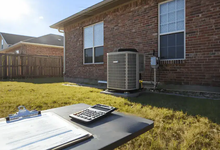

In areas like York, where humidity in the summer and freezing temperatures in the winter push HVAC systems to their limits, small inefficiencies can quickly become major headaches. To avoid sudden breakdowns, many homeowners rely on seasonal tune-ups and schedule AC repair in York, PA, especially before peak weather hits. A routine checkup now can mean fewer surprises and lower bills later.
See also: Custom Electronics: The Key to Easy Home Management
2. Flushing the Water Heater
Over time, sediment builds up at the bottom of your water heater. This makes the unit work harder and reduces its efficiency. If it’s not flushed regularly—ideally once a year—the sediment can corrode the tank and cause leaks or complete failure.
Flushing it is a simple task that takes about 20 minutes and can extend the life of your water heater by years. Plus, it helps the unit heat water faster and more evenly.
3. Checking and Resealing Grout and Caulk
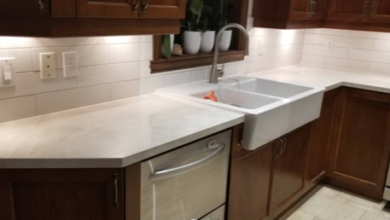
Grout and caulk might seem like small details, but they protect your home from water damage. If they crack or wear out, moisture can seep behind tiles and walls, leading to mold, rot, and even structural issues.
Walk through your kitchen and bathrooms every few months and look for gaps or cracks. Resealing takes just a few dollars and an hour of your time—and it can save you from having to replace floors or drywall later on.
4. Cleaning the Dryer Vent
Cleaning the lint trap after every load is a good habit, but it’s not enough. Lint also builds up in the dryer vent—the duct that carries hot air outside. If this vent gets clogged, it becomes a serious fire hazard.
Once or twice a year, disconnect the vent from the back of your dryer and clear out any built-up lint. You can also hire a professional if it’s hard to reach. This not only keeps your home safer but also helps your dryer work more efficiently.
5. Inspecting Attic Insulation and Ventilation
Your attic plays a bigger role in your home’s energy use than you might think. Poor insulation and ventilation can let warm air escape in winter and let heat in during the summer. That puts extra strain on your HVAC system and increases your energy bills.
A quick check every season can make a big difference. Look for uneven or damp insulation and make sure your attic vents are clear. Upgrading insulation or adding a fan might seem like a big job, but it pays off in long-term savings.
6. Trimming Trees Near the House
Trees that grow too close to your home can cause all kinds of trouble. Overhanging branches may fall during a storm, damaging your roof or windows. Leaves can clog your gutters, and limbs can rub against your siding.
Trimming back branches a few times a year helps avoid emergency repairs after heavy winds or snow. It also keeps pests like squirrels and raccoons from using trees to get onto your roof.
7. Testing the Sump Pump
A sump pump quietly protects your basement from flooding—but only if it works when it’s needed. Many people don’t realize their isn’t working until it’s too late.
Pour a bucket of water into the sump pit every few months to make sure the pump turns on and drains the water properly. Replace the battery in the backup power source (if you have one) and clean the pit to remove debris.
8. Inspecting the Roof and Flashing
It’s easy to forget about the roof until there’s a leak. But small issues—like a missing shingle or cracked flashing—can cause major water damage over time.
From the ground, look for dark patches, sagging areas, or signs of wear around chimneys and vents. If you’re comfortable on a ladder, take a closer look once or twice a year. Otherwise, hire a professional for a routine inspection. Catching problems early is way cheaper than replacing an entire roof.
9. Cleaning Refrigerator Coils
The coils behind or beneath your fridge help it release heat. When they get covered in dust or pet hair, the fridge has to work harder to keep things cool. That leads to higher energy bills and can shorten the life of the appliance.
Unplug your refrigerator, pull it away from the wall, and use a vacuum or coil brush to clean the coils. Doing this every six months keeps your fridge running efficiently and saves you money over time.
10. Checking Water Pressure and Hidden Leaks
High water pressure might feel great in the shower, but it puts stress on your plumbing. Over time, it can lead to leaks or even burst pipes. A pressure gauge is cheap and easy to use—you can pick one up at any hardware store.
Also, watch for signs of hidden leaks like water spots on walls or ceilings, musty smells, or spikes in your water bill. Catching leaks early can save you from major repairs and mold problems down the road.
It’s easy to overlook small maintenance tasks, especially when nothing seems wrong. But taking a few hours each season to handle these jobs can help you avoid major headaches later on. From cleaning dryer vents to checking your roof, these simple steps are a smart way to protect your home and your wallet.
Start adding these tasks to your regular routine—you’ll thank yourself later when you’re not stuck paying for big repairs.