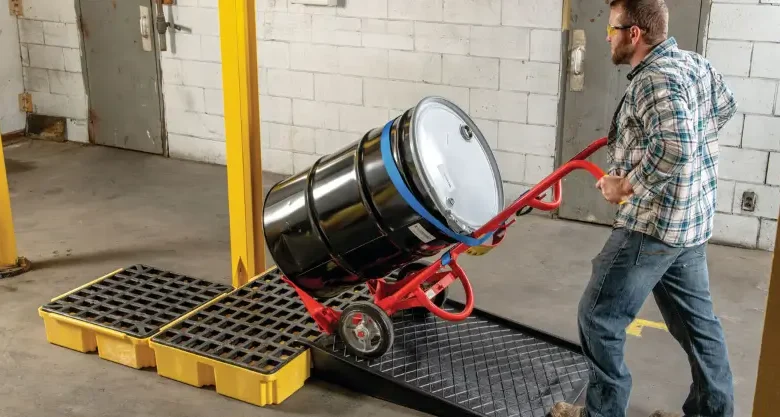
Secondary containment is often viewed as a compliance requirement, but its value usually becomes clear much sooner than expected. For industries handling fertilisers, fuels, process chemicals, cleaning agents, food-grade liquids or brewing inputs, spill control directly affects safety, uptime, environmental risk and operating costs. Well-planned containment does not just sit in the background; it actively reduces the consequences of leaks, handling errors and equipment failures.
Limits the Cost of Small Leaks
Small leaks can become expensive when they spread across floors, enter drains or contaminate surrounding stock. Secondary containment gives liquids a controlled place to collect, making clean-up faster and reducing the chance of wider damage. In practical terms, a cracked drum, leaking valve or overfilled container becomes a manageable incident rather than a full site disruption.
Facilities comparing options from providers such as Tank Management Australia liquid storage and containment solutions often look beyond the container itself and consider how storage, transfer and spill containment work together. That matters because the real cost of a leak is rarely limited to the lost liquid. Labour, downtime, disposal, damaged surfaces and reporting requirements can quickly exceed the cost of the original product.




Reduces Downtime After Incidents
Spills can stop work immediately, especially in areas where forklifts, pumps, blending systems or loading equipment operate. Staff may need to isolate the area, protect drains, remove contaminated materials and wait for cleaning or safety checks before normal work resumes. Containment shortens that process by keeping the liquid within a defined footprint.
For agriculture, mining, chemical processing and beverage production, downtime has a direct financial impact. A bunded area or correctly sized spill containment system helps teams respond quickly without shutting down a larger part of the site. The faster the area is made safe, the faster production, storage or dispatch can continue.
Protects Stock, Surfaces and Equipment
A spill rarely affects only the floor. Liquids can corrode racking, damage pallets, compromise packaging, seep beneath tanks or affect nearby electrical and mechanical equipment. Secondary containment helps prevent this spread, protecting assets that may be more expensive than the liquid being stored.
This is especially important where incompatible products are stored near one another. Acids, alkalis, oils, fertilisers and solvents can create added risks if they mix or reach sensitive equipment. A well-designed containment setup supports safer separation and gives staff more time to act before damage escalates.
Helps Meet Site and Environmental Duties
Businesses that store bulk liquids are expected to manage foreseeable spill risks. Secondary containment supports those duties by reducing the chance of liquids reaching soil, stormwater systems or shared work areas. Terms such as bunding, spill containment and intermediate bulk container often appear in safety and environmental guidance because they describe practical controls used to prevent uncontrolled releases.
Strong containment can also make audits and inspections easier. Instead of relying only on staff response after a spill, the site can show that physical controls are already in place. That can reduce uncertainty during internal reviews, insurer assessments and compliance checks.
See also: Cloud-Based Outbound Call Center Software For Businesses
Improves Day-to-Day Handling Confidence
Containment does not only matter during emergencies. It also improves everyday handling by giving workers a safer environment for decanting, dispensing, filling and storing liquids. Where IBCs are used, a spill pallet can help keep minor drips or leaks within a defined area instead of letting them spread across the workspace.
That confidence is valuable in busy yards, warehouses and processing areas where liquid movement happens often. A controlled setup supports better housekeeping, clearer traffic routes and fewer interruptions caused by transfer errors. Over time, those small efficiencies add up.
Supports Longer-Term Cost Control
Secondary containment pays off quickly because it prevents avoidable costs before they grow. Fewer clean-ups, less product loss, reduced asset damage and shorter interruptions all contribute to better cost control. The benefit is not always dramatic on day one, but it becomes obvious when a minor incident stays minor.
Choosing the right containment setup also helps avoid repeated temporary fixes. Correct capacity, chemical compatibility, access, drainage control and maintenance all affect performance. When these details are planned properly, containment becomes a long-term operational asset rather than a reactive expense.
Smarter Containment Starts Paying Back Early
Secondary containment pays off quickly because it reduces the financial, operational and environmental impact of liquid handling risks. It protects stock, equipment, staff and surrounding areas while helping businesses respond faster when leaks or spills occur. For industries that rely on bulk liquid storage and transport, the return is often found in the incidents that do not escalate, the downtime that does not happen and the clean-up costs that never need to be paid.