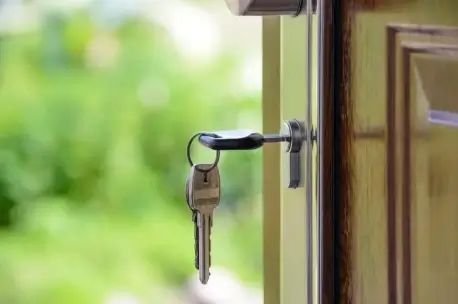
As a tenant, the thought of changing your apartment locks can arise for various reasons. Perhaps you’re contemplating enhanced security, or maybe new lock technology has caught your eye. However, the question looms: can you change the locks on your apartment without your landlord’s permission? You also might wonder, can a tenant change the locks without permission? This article dives into the guidelines and best practices you need to know.
Reasons to Consider Changing Your Locks
Before making any alterations, it’s crucial to understand why you might want to change your locks and the implications of doing so.
Security Concerns
Security is a prime concern for many tenants. If you’ve lost a spare key, experienced a break-in, or suspect a previous tenant might still have access, changing your locks can enhance your peace of mind.



Embracing New Lock Technology
With advancements in smart lock technology, options like fingerprint sensors and keyless entries are becoming popular. These modern locks offer enhanced security and convenience, attracting tech-savvy tenants.
Visual Upgrades
In some cases, tenants might want to change locks for aesthetic reasons. If you’re updating your apartment’s design, installing locks that complement your décor could be appealing.
Landlord Issues
Unfortunately, not all landlord-tenant relationships are smooth. If you feel harassed or unsafe due to your landlord’s frequent, unscheduled visits, installing a new lock can offer a sense of security and privacy.
Can a Tenant Change the Locks?
Navigating whether you can change your apartment locks requires careful consideration of several factors.
Understanding State Laws
State laws vary widely concerning tenant rights to change locks without permission. In states like Montana and South Carolina, landlord consent is mandatory. It’s crucial to research and understand your local laws before making any changes.
Reviewing Your Lease Agreement
Lease agreements typically contain clauses related to lock changes. Some leases outright prohibit changes without landlord approval. Always review your contract and, if necessary, discuss potential changes with your landlord beforehand.
Potential Damage Considerations
Changing locks can sometimes be classified as damage, especially if not reversible. This could lead to deductions from your security deposit. Ensure any lock change is done professionally to avoid damaging the door or frame.
Why Landlords May Need Access
While your privacy is important, landlords often have legitimate reasons to access your apartment.
Regular Inspections
Landlords conduct routine inspections to maintain health, safety, and ensure the unit’s condition. Most leases specify when these inspections occur, allowing you to plan accordingly.
Necessary Repairs
Access is often required for maintenance, whether requested by you or identified during an inspection. Landlords have the right to enter for repairs to prevent further damage.
Emergency Situations
In emergencies, like a fire or plumbing disaster, landlords need immediate access to mitigate damage. Changing locks without notification could hinder their ability to address urgent issues.
See also: Home Construction Paperwork Checklist for 2026
When Landlords Shouldn’t Enter
It’s essential to understand when your landlord’s access is legally objectionable.
- Outside reasonable hours: Access should generally occur during business hours unless in emergencies.
- Without proper notice: Notice periods, often specified by state law, must be respected.
- Harassment or intimidation: Entry should never occur with the intent to harass or intimidate.
Conclusion
So, can a tenant change the locks? Often, the answer involves a mix of legal, contractual, and personal considerations. By understanding state laws, examining your lease, and maintaining open communication with your landlord, you can navigate the complexities of lock changes. Consider the benefits and potential pitfalls, and ensure any decision supports both your security and compliance with legal standards.