Mastering the Arch: A Comprehensive Guide to Finding the Best Microblading Courses Near You

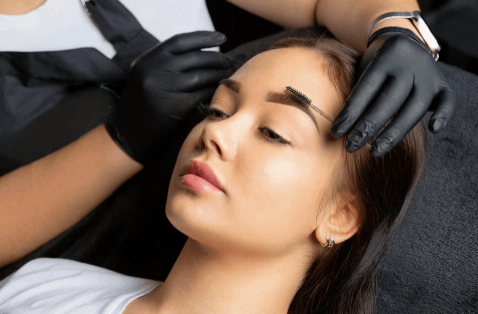
The beauty industry is experiencing a massive shift toward semi-permanent enhancements, and at the forefront of this movement is microblading. If you have been searching for “microblading courses near me,” you are likely standing on the edge of a major career transition. Whether you are a seasoned esthetician seeking to expand your service menu or a complete newcomer drawn to the artistry of permanent makeup, the decision to become a microblading artist is both exciting and lucrative.
However, the surge in popularity has also led to a saturated market of training academies, ranging from world-class institutions to weekend workshops that leave students wildly unprepared. Finding the right local training program requires careful research, a discerning eye, and a clear understanding of what it takes to succeed in this highly specialized field. This comprehensive guide will walk you through everything you need to know to evaluate, select, and thrive in a local microblading course.
Understanding the Reality of the Microblading Profession
Before investing thousands of dollars into a training program, it is crucial to ground your expectations in reality. Microblading is not merely a cosmetic beauty treatment; it is a form of cosmetic tattooing. You are using a specialized hand tool equipped with tightly packed microneedles to create superficial incisions in the skin, which are then filled with pigment.




Because you are breaking the skin, the stakes are incredibly high. A poorly trained artist can cause permanent scarring, severe infections, or unnatural discoloration. Conversely, a highly skilled artist can restore confidence to someone suffering from alopecia, reconstruct over-plucked brows, and save clients hours in their daily makeup routines. The difference between these two outcomes relies entirely on the quality of your foundational education. Searching for local courses is the right first step, as in-person, hands-on training is irreplaceable when learning to perform safe and effective microblading.
Why “Near Me” Matters: The Value of Local Training
In an era where online education is highly accessible, you might wonder if you can learn microblading through a screen. While online courses are excellent for continuing education or learning new mapping techniques, your foundational training must happen in person.
Searching for a local academy offers several distinct advantages:
- Hands-On Correction: An instructor needs to physically observe your hand placement, the angle of your blade, and the pressure you apply to the skin. These subtle mechanics are nearly impossible to correct over a webcam.
- Live Model Supervision: The transition from practicing on synthetic latex skin to a living, breathing human is intimidating. Local academies provide live models and stand right beside you during your first procedures, ensuring client safety and boosting your confidence.
- Local Networking: Attending a nearby academy connects you with other local beauty professionals, potential mentors, and local suppliers.
- Regulatory Compliance: Health and safety regulations regarding permanent makeup vary drastically by state, county, and even city. A local academy will tailor its curriculum to ensure you meet the specific licensing requirements of your area.
Deconstructing the Curriculum: What You Must Learn
When evaluating a microblading course, the syllabus is your most important metric. A superficial course will focus solely on drawing hair strokes. A comprehensive, professional-grade course will treat you like an apprentice cosmetic tattooer. Here are the core modules that must be included in your training:
Advanced Skin Anatomy
You must understand the exact layer of the skin where pigment should be deposited: the upper dermis. If you go too shallow (the epidermis), the pigment will completely shed during the healing process. If you go too deep (the lower dermis or hypodermis), the strokes will blur, expand, and potentially turn a permanent, ashy gray or blue. A great course will teach you how to “feel” the correct depth, identifying the precise point of resistance and the specific sound the skin makes when the depth is perfect.
The Science of Color Theory
Pigment does not look the same in the bottle as it does healed in the skin. Your course must teach you how human skin undertones (cool, warm, or neutral) interact with cosmetic pigments. You will need to learn how to mix custom colors and use modifiers (like orange or yellow) to prevent dark brows from healing too cool or ashy.
Precision Brow Mapping and Facial Symmetry
No two faces are identical, and “cookie-cutter” stencils do not work in professional microblading. You must learn how to map brows using the Golden Ratio, string measuring, and digital calipers. You will learn how to identify a client’s natural bone structure, assess their facial asymmetry, and design a custom brow shape that lifts the face and flatters their unique features.
Sanitation, Sterilization, and Safety
This is arguably the most critical aspect of your training. Because you are dealing with blood and bodily fluids, you must be trained in cross-contamination prevention and bloodborne pathogens. You need to know how to properly set up a sterile workstation, safely dispose of biohazardous waste and sharps, and maintain an environment that passes rigorous health department inspections.
Evaluating the Trainer: How to Spot a Master Instructor
The quality of your education is directly tied to the skill and teaching ability of your instructor. When you find a local course, put the trainer under a microscope before handing over your tuition.
First, examine their portfolio rigorously. Do not be swayed by pictures of freshly microbladed brows, which almost always look crisp and flawless. Ask to see a portfolio of their “healed” work—brows that are six weeks to a year old. Healed results are the only true indicator of an artist’s skill, showing their mastery of depth control and color retention.
Second, look for transparency. A trustworthy trainer will be honest about the difficulty of the craft. They will not promise that you will be making six figures within a month. They should emphasize the necessity of intense, ongoing practice. Read reviews from former students on independent platforms like Google or Yelp, paying close attention to comments about the instructor’s patience, communication style, and willingness to help when mistakes were made.
See also: Kengcomedu: Educational System Access Report
The Starter Kit: The Tools of Your New Trade
Most reputable microblading courses will include a starter kit in the cost of tuition. However, the quality of these kits can vary wildly. A subpar academy will provide cheap, unregulated pigments and flimsy tools sourced from discount websites. A premium academy will outfit you with professional-grade supplies that you can confidently use on paying clients.
When inquiring about a course, ask for an itemized list of the kit contents. You should expect to receive:
- High-Quality Pigments: A range of light, medium, and dark pigments from a reputable, heavily tested brand.
- Disposable Hand Tools and Blades: A variety of sterile, single-use microblading pens and blades (such as U-blades and slanted blades) in different needle counts.
- Mapping Supplies: Calipers, pre-inked mapping string, wax pencils, and surgical markers.
- Sanitation Basics: Grip tape, barrier film, alcohol wipes, and topical anesthetics (if legal in your jurisdiction).
- Practice Materials: Multiple sheets of high-quality, dual-sided synthetic latex skin and specialized practice ink.
Navigating the Financial Investment
Quality education is an investment, and microblading courses are not cheap. In the United States, a reputable beginner course typically ranges from $2,000 to $5,000, depending on the length of the program, the prestige of the academy, and the size of the class.
While it is tempting to look for the most affordable option, choosing a cheap, rushed course often results in paying twice: once for the bad course, and again for a high-quality course to unlearn bad habits and finally learn the proper techniques.
Instead of looking purely at the upfront cost, calculate your potential Return on Investment (ROI). If a comprehensive $3,500 course provides you with a kit capable of servicing your first 15 clients, and you charge a conservative beginner rate of $300 per client, your first 15 clients will generate $4,500. This means you have the potential to completely recoup your educational investment almost immediately after launching your business, provided you put in the necessary practice and marketing effort.
Life After Certification: Mentorship and Business Building
The reality of microblading is that a three-day or five-day course will not make you a master. It will only give you the foundational license to begin practicing. The real learning happens in the weeks and months following your certification.
This is why ongoing support is a non-negotiable factor when choosing an academy. Ask prospective schools what happens after graduation. Do they offer a private online community for alumni to ask questions and share photos for critique? Can you return to the studio to shadow the instructor while they work on their own clients? Do they offer an apprenticeship program or booth rental options for new graduates?
Furthermore, an excellent training program will dedicate time to the business side of beauty. Being a great artist is only half the battle; you also need to know how to acquire clients. Look for courses that touch on social media marketing, proper before-and-after photography lighting, client consultation skills, and navigating the complexities of consent forms and liability insurance.
Taking the Next Steps
Finding the perfect microblading course near you is a process of thorough vetting and realistic goal-setting. Ignore the flashy marketing and focus on the fundamentals: comprehensive curriculum, live model experience, healed portfolio results, and robust post-graduate support.
Embarking on a career in permanent makeup requires immense dedication, a steady hand, and a commitment to continuous learning. By taking the time to research and invest in a high-quality local education, you are laying the groundwork for a secure, profitable, and deeply rewarding career in the beauty industry. Take your time, ask the hard questions, and choose an academy that is genuinely invested in your long-term success as an artist.