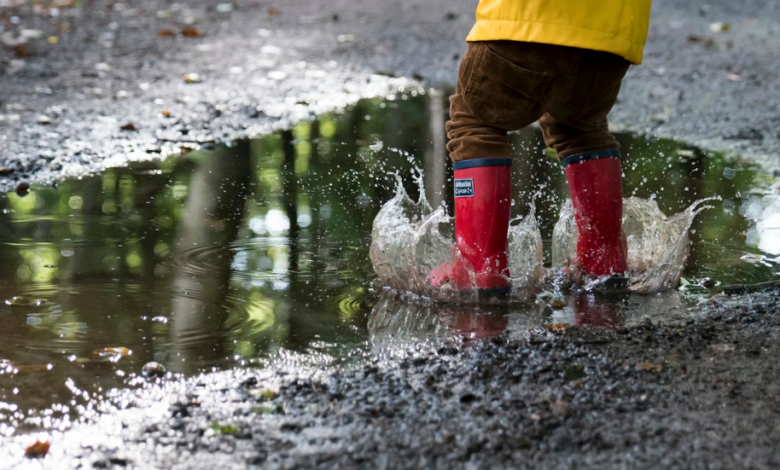
Rain falls; the earth drinks deep,
And just like that, life awakens from its sleep.
Won’t you agree that there is just something so delightful about rainfall, especially the first showers? The gentle patter on rooftops, followed by the unmistakable petrichor, can transport us to a world of nostalgia.




Then, watching the droplets glisten on leaves, and practically everything they touch is a sight unlike any other. However, the same charm can quickly turn into soggy patches and puddles that threaten to soil your clothes.
How can we forget the muddy messes that suddenly appear all around one’s home? To enjoy rainwater as it was meant to be enjoyed, you must be prepared to manage it well. This article will discuss four tips that will help you keep your home safe and dry, so that you can experience the true joy of rain.
Track the Flow of Water Around Your Home
Unless you understand how rainwater moves across your property, there is no way to manage it properly. So, start there, carefully watching during and after a rainstorm to identify the areas that drain quickly and those that allow water to pool.
Generally, low spots and uneven grounds are known to become puddles and muddy patches. Pay special attention to garden beds and open soil areas. Here, water may gather around plant roots or near fences.
Once the trouble spots are identified, it’s easier to take relevant action. When drainage supplies & products are used in strategic spots, like dry wells and French drains, water is redirected from vulnerable areas.
Minor pooling will not cause costly problems in the future. To evaluate water flow, here are some practical steps to consider:
- Observe your property during the rains to see where water gathers and where it flows freely.
- Check slopes and grading to ensure water moves away from the foundation.
- Keep a note of the persistently wet areas for future reference.
- Inspect garden beds, flower borders, and lawns that often get soggy.
Focus on Protecting Hard Surfaces and Busy Areas
The reason this needed to be mentioned is that homeowners generally concentrate all their attention on lawns and green spaces. In reality, rainwater can damage patios, walkways, and driveways over time.
Essentially, the same principle is at work here. In other words, when water finds no way to move freely, it causes cracks and erosion on hard surfaces. As NDS notes, standing water in hardscape can become a slip hazard and a breeding ground for pests.
According to recent insurance data, weather-related events of water damage, such as heavy rainfall and floods, accounted for 24% insurance claims in 2025. Since the numbers are well near a quarter, it’s clear how commonplace rain-related property damage is.
Once you have taken care of the garden areas, turn your attention to the hard surfaces that see heavy foot traffic. You can protect these in the following ways:
- Seal concrete or stone to prevent water from soaking in and causing cracks.
- Use pavers that allow water to drain through, thereby avoiding the formation of puddles.
- Add small drains or channels if needed to guide water away from paths.
- Place mats or gravel in busy spots to reduce wear and tear.
As hard surfaces are in good shape, they stay functional for years down the line. Plus, you won’t have to worry about safety hazards and costly repairs.
Keep Gutters and Drain Pipes Clear
The gutters around your home are meant to be pathways that direct rainwater away from the property. If that path gets blocked, rainwater has nowhere to go. However, since it must go somewhere, it will likely spill over the edges.
This works a lot like a clogged sink overflowing in a kitchen. The overflow can end up next to your home’s walls, creating damp spots and messy puddles.
Keep in mind that even small volumes of water can lead to bigger problems. As per FEMA’s Flood Insurance Review, just an inch of floodwater can cause thousands of dollars in damage. You can save a lot of money and your home’s structural integrity by keeping gutters and drain pipes clear.
It’s simply a matter of proper inspection and timely maintenance. So, take care of the following:
- Check for blockages regularly, especially after storms or windy days.
- Remove leaves and debris, allowing water to flow freely.
- Ensure all the drain pipes point away from your home, not toward it.
- Look for leaks or loose sections that might disrupt the flow.
When all of the above is in order, rainwater is guided away safely. It will mimic water flowing through a clean, open channel.
Use Smart Landscaping Techniques
Landscaping is generally associated with aesthetics. Most homeowners engage in it to create the lawn or backyard of their dreams. There is nothing wrong with it unless you lose sight of its functional aspect.
Yes, smart landscaping can help control the direction and flow of rainwater. Instead of letting rainwater collect in random spots, small changes can direct it to areas where it won’t cause any issues.
A recent study published in ScienceDirect found that an increase in vegetation can help reduce runoff. This happens because plants absorb water and slow down the force with which it moves.
The million-dollar question is how to make it happen in the simplest of ways. Well, this list should have you covered:
- Fill in the low spots where water usually tends to gather.
- Create a slight slope so water is able to move away from your home.
- Plant grass or shrubs (rain garden) as a natural means for soaking up extra water.
- Choose a safe spot where extra water can collect without causing issues.
A combination of these steps will be required to manage rainwater effectively. Over time, you will find fewer instances of standing water. What’s more is that these smart landscaping techniques will also protect the soil.
More often than not, rain is neither a soothing backdrop nor a seasonal nuisance. It could just be one of the most powerful forces influencing the future of your property.
If you live in an area that receives heavy rainfall, consider harvesting and reusing it. All you need is a simple setup using rain barrels and small collection systems.
In addition to the tips this article has shared, capturing rain as a resource will become the cherry on the cake. With that, the next time there is a downpour, you’ll be making water work for you, one drop at a time.