
Whether you’re breaking ground on a new home, preparing a commercial site, laying foundations for an extension, or undertaking complex civil works, excavation is the first tangible step in turning plans into reality. In Sydney with its varied terrain, aged infrastructure, and strict building codes choosing the right excavation company can make the difference between a smooth project and costly delays.
This article walks you through everything you need to know: what excavation companies do, the services they offer in Sydney, how to evaluate contractors, safety and compliance essentials, cost factors, and tips to get the best outcome for your project.
What does an excavation company do?
An excavation company provides services that involve moving earth, rock, and other materials to prepare a site for construction or landscaping. Services typically include:
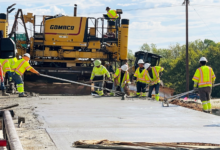



- Site clearing and vegetation removal
- Bulk earthworks and cut-and-fill operations
- Foundation excavations (strip footings, pad footings, raft/slab foundations)
- Trenching for utilities (water, sewer, electrical, gas)
- Basement and retaining wall excavations
- Rock excavation and rock breaking / controlled blasting alternatives
- Site remediation and contaminated soil handling (specialist companies)
- Stabilisation, compaction, and grading for drainage control
- Haulage and disposal of spoil, plus import of engineered fill
In Sydney’s urban suburbs as well as outer growth areas, excavation teams often work alongside engineers, surveyors, geotechnical experts, and local councils to ensure the job meets structural and environmental standards.
See also: How to Install New Construction Plumbing
Why Sydney’s environment makes excavation different
Sydney presents several local challenges that influence excavation work:
- Variable soil and rock conditions — clay, sand, silt, sandstone, and unexpected rock layers can appear across short distances. Each requires different machinery and methods.
- High water table in parts — near the coast and river systems, groundwater can complicate deep excavations and basements, so dewatering and waterproofing planning are vital.
- Dense urban settings — tight blocks, overhead and underground utilities, neighbouring properties, and noise restrictions demand careful planning, smaller machinery, traffic control, and community liaison.
- Regulatory environment — Sydney councils impose strict controls on excavation near heritage structures, trees, and waterways. Compliance with environmental controls (erosion, sedimentation) is non-negotiable.
- Traffic and access — moving large equipment and spoil requires permits, traffic management plans, and often staged works to avoid major disruption.
Because of these local factors, it’s wise to choose a company experienced in Sydney projects specifically — not just a generic regional operator.
Services typically offered by excavation companies in Sydney
While offerings vary, an all-rounded Sydney excavation company often provides:
- Pre-construction planning: Site inspections, liaison with engineers and certifiers, and development of excavation methodologies.
- Surveying and setting out: Ensuring accurate levels and alignments, often in coordination with a licensed surveyor.
- Dewatering and groundwater control: Pumps, wells, and drainage solutions where required.
- Shoring and retaining systems: Soldier piles, sheet piling, raking shores, and temporary retaining systems for deep excavations near neighbouring structures.
- Rock breaking and removal: Hydraulic hammers, rock saws, and cutting for sandstone and other rock types.
- Trenching and service installation: Narrow trenches for electrical conduits, water mains, and sewer connections with backfill and compaction.
- Spoil removal and disposal: Handling waste in accordance with NSW environmental regulations; recycling where possible.
- Compaction and stabilization: Using rollers and rammers, and importing engineered fill for foundations and pavements.
- Site cleanup and final grading: Preparing the site to receive foundations, landscaping, or paving.
How to evaluate and choose an excavation contractor
Selecting the right contractor means looking beyond price. Here’s a checklist to help you choose:
- Experience with Sydney projects: Ask for examples of similar works in comparable suburbs. Experience with local geotechnical issues, council approvals, and traffic management is invaluable.
- Licensing and insurance: Verify the company holds the appropriate contractor licences in NSW, plus public liability, workers’ compensation, and plant/machinery insurance.
- Safety record and systems: Ask for their Safety Management System (SMS), Safe Work Method Statements (SWMS), and evidence of toolbox talks and training. A proactive safety culture reduces delays and liabilities.
- References and past projects: Request client references and inspect completed works if possible. Good companies will readily provide case studies.
- Plant and equipment: Check whether they own or hire plant. Ownership often means better-maintained equipment and more control over scheduling. Also confirm they have the right machinery for your soil/rock type.
- Subcontractor management: If they use subcontractors (e.g., for rock drilling or dewatering), ask how those relationships are managed and whether those subbies are vetted.
- Environmental and waste handling: Confirm how spoil will be classified, transported, and disposed of — and whether they can recycle suitable materials.
- Communication and site supervision: A qualified site supervisor and clear lines of communication (single contact person) improve coordination with your builder, engineer, and council.
- Detailed quotation: The quote should include scope, exclusions, assumptions, provisional sums, program, and payment terms. Vague quotes lead to disputes.
- Guarantees and remediation: Ask about warranty for work, especially for things like compaction and shoring installations.
Cost factors: what affects excavation pricing in Sydney
Excavation quotes are driven by these core factors:
- Volume of material to be moved (m³): The more cut and fill, the more hours and haulage.
- Type of material: Sandy soil is easier than clay; rock or sandstone increases price significantly.
- Depth and complexity: Deeper excavations require shoring, dewatering, and stricter controls.
- Access constraints: Narrow lanes, parking restrictions, or inner-city blocks may require smaller machinery and more time.
- Traffic management and permits: Road occupancy, traffic control costs and council fees add to the total.
- Spoil disposal distances and tipping fees: Transporting spoil to licensed facilities, and disposal levies.
- Specialist requirements: Asbestos-contaminated soil, heritage protections, or complex underpinning increase costs.
- Time of year and scheduling: Working around wet seasons or peak periods may impact price and program.
Always request a breakdown of costs, and be wary of extremely low bids — they often hide exclusions or poor workmanship.
Safety, compliance and the law
Excavation is high-risk work. In New South Wales, strict laws protect workers and the public. Contractors should comply with:
- Work Health & Safety (WHS) Act 2011 and WHS Regulations — covering duties for safe systems of work, shoring, and excavation.
- Safe Work Method Statements (SWMS): Required for high-risk construction work.
- NSW Local Council approvals and Construction Certificates: Some excavations (especially deep basements and retaining walls) require development or complying certificates.
- Heritage and tree protection laws: If the site is heritage-listed or contains regulated trees, special permits are needed for root protection or works near significant trees.
- Environmental controls: Measures to prevent sediment runoff, protect waterways, and manage dust and noise under the Protection of the Environment Operations Act where applicable.
Engage a contractor who proactively manages these obligations and provides documented evidence — it protects you from fines and delays.
Preparing your site: what property owners need to do
To help your excavation run smoothly:
- Engage an engineer and surveyor early: Geotechnical reports, set-out, and temporary works designs may be required.
- Identify underground services: Have a utility locate done to mark water, gas, electricity, telecommunications, and sewer lines. In Sydney, unknown services are a common source of delay.
- Clear the site of valuables: Remove items, small sheds, and sensitive landscaping you wish to retain.
- Plan for access and parking: Coordinate neighbour access, and obtain permits for hoarding or kerbside work if needed.
- Notify neighbours if required: For noisy, dusty, or disruptive works, give neighbours advance notice. Good contractors will handle this.
- Understand the program: Confirm start and finish dates, daily working hours (respecting council noise restrictions), and contingency allowances.
Common excavation challenges and how professionals solve them
- Unexpected rock: Many Sydney sites reveal sandstone or shale. Experienced teams use rock breakers, saws, or controlled drilling to manage this.
- Groundwater: Dewatering systems, sumps, and wellpoints help keep excavations dry for safe work. Engineers design these.
- Soil collapse: Proper benching, sloping, and shoring prevent sides collapsing during deep digs.
- Neighbours’ concerns: Vibration monitoring, pre-start condition reports, and clear communication protect relationships and reduce claims.
- Traffic and logistics: Traffic management plans and scheduled haulage times reduce impact on local streets.
Why specialist excavation companies are worth the investment
Hiring a specialist excavation company experienced in Sydney provides tangible benefits:
- Accurate pricing and fewer surprises — experienced estimators account for local conditions.
- Faster delivery and fewer delays — right plant and crew means efficient work.
- Lower risk of structural problems — correct compaction and dewatering mitigate settlement and water ingress.
- Compliance confidence — licensed operators familiar with NSW rules reduce regulatory risk.
- Better coordination — experienced firms liaise smoothly with engineers, certifiers, and councils.
Final checklist before you sign
- Verify licences and insurance.
- Confirm the site supervisor and main contact.
- Check that SWMS and relevant method statements are provided.
- Ensure all provisional items and assumptions are listed.
- Agree on site reinstatement expectations and warranties.
- Set a clear schedule and milestones for payment tied to deliverables.
Conclusion: getting it right from the start
Excavation is a foundational phase — literally and figuratively — in any construction project. In Sydney’s mix of urban restrictions, variable geology, and strict regulatory frameworks, the difference between success and setbacks often rests on choosing the right excavation partner. Prioritise experience, safety, compliance, and clear communication. Insist on detailed quotes, a competent site supervisor, and evidence of a robust safety and environmental management approach.
If you’re preparing a site in Sydney, start conversations early with an excavation company that has local experience. Their insight during planning can save cost, time, and headaches — and set your project on firm ground.


