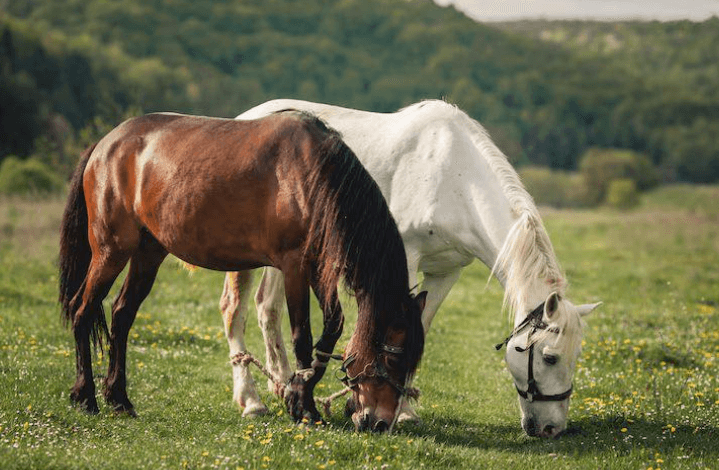
Laminitis is a multifaceted, aching syndrome involving the horse’s hooves, usually leading to chronic impairment of mobility and alterations in general joint function. As any owner can tell you, soundness is increasingly important once laminitis has occurred. Though hoof health is paramount, joint health can’t be ignored. With joint support along with a tailored hoof care and diet regimen, this can be the difference in keeping your horse’s comfort and mobility day to day.
Here are some factors about the management of horses with laminitis and how a horse joint supplement could be part of a whole package solution.
Understanding Laminitis in Horses
Horse laminitis is inflammation of the laminae or structural breakdown of the laminae – the tissue that attaches the hoof wall to the underlying coffin bone. It results in severe pain and structural abnormality, and in advanced cases, sinking or rotation of the coffin bone within the hoof.

Horses affected by laminitis tend to develop compensatory positions or gaits to redistribute weight from the laminitic hooves. Such modified gaits and patterns of movement over a period place additional strain on the joints, ligaments, and soft tissues, especially in the knees, hocks, hips, and shoulders.
The Joint–Hoof Connection
Since laminitic horses are continuously adjusting their stance and gait, usually increased stress to non-originally affected joints is the result. For instance, a horse with both his front legs involved by laminitis could be placing more of his weight on his hind legs, thereby introducing new stresses to previously healthy joints.
Over time, this disparity can affect the joint structures, and by doing so, lead to stiffness, loss of range of motion, or altered posture. Taking care of and being careful about staying healthy at the joints thus becomes a component of ongoing care of horses that are coping with laminitis.
See also: How Small Health Clues Can Reveal Bigger Patterns
What to Consider When Managing Joint Care
Closely Work with a Farrier and Veterinarian
Treatment for laminitis in horses starts with good hoof care. But also at play is your farrier and vet partnership that assists in the evaluation of how your horse’s joints react. They can prescribe radiographs to track both hoof and joint issues and adjust corrective trimming or shoeing techniques accordingly.
Exercise and Movement: Keep It Controlled
Exercise is vital for circulation, muscle tone, and joint mobility. Horses with active laminitis or those recuperating from laminitis, however, have exercise tightly controlled. Controlled, slow walking on a soft surface is possibly acceptable in some situations. Deep footing or hard surfaces must be avoided, however, as this will exacerbate pain or cause overuse of compensating joints.
A plan to transport your horse must be formulated as part of an equine healthcare team.
A Horse Joint Supplement
Nutritional support to joint health is generally part of a comprehensive plan of care. A horse joint supplement can contain glucosamine, MSM (methylsulfonylmethane), hyaluronic acid, or collagen – nutrients commonly linked with the health of joint structure and integrity.
Although no supplement is a panacea, such supplements can complement an overall wellness regimen when they are well selected. Laminitic horses in equine are likely to have secondary gait issues of compensation; therefore, they can be helped with targeted nutrition that can cater to their physiological needs.
When choosing a joint supplement, ensure label clarity about ingredients, source, and formulations suitable for horse use. Consult with your vet to find out what suits your horse based on its age, work level, and current state.
Environmental and Nutritional Factors
Your horse’s environment and diet both affect its joint and hoof health.
Weight control: Overweight adds additional stress to both hooves and joints. Calorie-controlled, low-NSC diets may be helpful in horses with laminitis.
Pasture management: Spring grass and fall grass contain more sugar and, therefore, might lead to metabolic disease in certain horses. Dry lots or grass muzzles may lower the risk of flare-ups.
Stable surfaces: Use comfortable, supportive bedding to reduce joint and hoof stress, particularly for horses that are stalled during flare-ups or rehabilitation.
Monitoring for Changes
With resolution of laminitic crises or with age, joint requirements may change. Observe for signs of joint pain, including:
- Shortened stride or resistance to movement
- Stiffness following rest
- Irregular wear on hooves
- Behavioral change when groomed or saddled
Treatment of such symptoms at an early stage can prevent subsequent joint pain and inform decisions regarding farriery, supplements, and exercise.
Final thoughts
Treatment of the laminitic horse is outside-the-hoof thinking. The joints tend to carry the quiet weight of compensation, so care in all directions must be considered. From controlled motion and sound footing to considerate nutritional support, each element contributes to long-term soundness and well-being.
Adding a premium joint supplement like OptiWize Collagen Plus to your horse’s regimen can give some extra nutritionally based building material to the joint and connective tissue structural health. It is not the answer to every problem, but it could be one component of an active strategy specific to your horse.
By keeping an eye on the whole horse – joints included – you can help bring a more balanced, comfortable, and mobile future for horses who are struggling with laminitis.