At some point over the past few years, work travel quietly changed shape. It used to be airport–hotel–meeting–airport again. Now it’s often three weeks on a project, then shifting to another location, all while keeping up with video calls and deadlines. Somewhere between the hotel free breakfast coupons and trying to iron a shirt on a tiny fold-out board, people started admitting that constant hotel living is just tiring. So, many have turned to places where they can actually unpack, like when they simplify your Toronto stay with furnished rentals that behave more like real homes than placeholders.
There’s also a general recognition in business circles—if you skim through what shows up in business news often enough—that hybrid work isn’t just a temporary trend. Teams bounce between in-person collaboration and independent work. If you’re constantly moving around, accommodation stops being a background detail and becomes part of how you function.
1. Keeping Some Sense of Routine
When you land in a new city, the first instinct is often survival mode: “Where do I eat, where do I sleep, how do I get to work?” But routine is weirdly important. A furnished space usually has a living area separate from the bedroom, and some kind of workable kitchen—enough to make a simple breakfast before diving into emails.



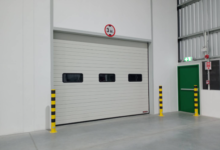
It also matters for rest. Studies looking at sleep quality show that environments affect how deeply you recover at night. Light leaking under a hotel hallway door or unexpected noise from the lift can nudge you awake just enough to make the next day harder.
If you’re somewhere for five or six weeks, being able to cook something decent, keep clothes properly stored, and not feel like a permanent visitor makes a big difference. You start to feel grounded rather than floating.
2. Working Without Balancing a Laptop on a Bed
Most hotel rooms don’t have a real working area. You either sit on the end of the bed like you’re waiting for a bus or shuffle between a café table and a nightstand.
In a furnished place, you usually get a usable surface—maybe not a corporate boardroom setup, but at least something you can sit at without destroying your back. A lot of advice on working from a home environment points out that boundaries matter. Closing a laptop and leaving it on a table as you walk into another room sounds trivial, but it resets your brain in a way that a hotel layout rarely allows.
Take someone traveling for training. They don’t want to repack everything every morning just so housekeeping can vacuum. In an apartment-style setup, there’s none of that forced tidying-up cycle.
See also: How Promotional Products Build Brand Awareness That Lasts?
3. Longer Stays Without the Emotional Wear-Down
Short hotel stays are fine. After a week, they start to feel temporary. After three weeks they can feel unsettling.
Having laundry, storage space, and somewhere to stock groceries sounds boring until you realize how much money and energy it saves. You’re not dealing with food delivery every night or wondering if your clothes will come back from the hotel cleaners by Thursday.
There’s also something psychological about returning to the same space each evening—same chair, same mug, same routine. That familiarity makes performance easier. Whether you’re presenting to clients or just keeping your inbox from collapsing, the human part of travel becomes less draining when your base feels like you belong there rather than passing through.