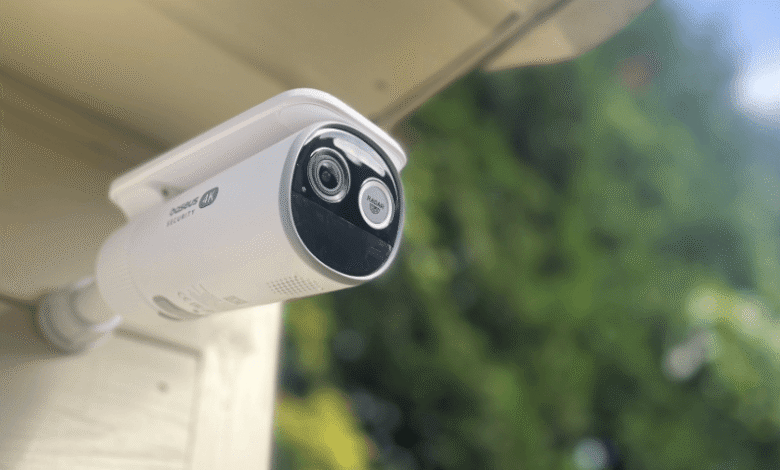
You can consider smart security cameras that can comprehensively protect your home without monthly fees if you pick those models that save footage locally, on a microSD card or a home hub, rather than making you a cloud subscription. Such cameras perform motion detection alerting live viewing, and recording on their own through the device and the free app, so your only expense is the hardware itself. The downside is you will have to take care of your storage instead of paying a company to do it for you.
Subscriptions silently expanding beyond cameras are the main reason of this problem. A monthly fee of 5 to 15 francs for a camera alone can quickly exceed the cost of the device, and maintaining a multi-camera setup with a paid plan can amount to more than 200 francs yearly for the foreseeable future. Choosing local storage is like paying a one-time fee instead of the persistent financial outflow.
How Cameras Avoid Subscriptions Through Local Storage
Essentially, the entire subscription model has been created around the location of the footage. Cameras that are cloud-based upload their recordings to a business’s servers, and they bill you monthly for the storage and other features that depend on it, sometimes even making basic motion alerts a paid feature. A camera designed for local storage keeps everything in your own house, which completely cuts out the recurring cost.




MicroSD storage embedded in a camera is the typically no-fee method. This means the camera will directly record the footage to the memory card that is inside the device. A 128GB card is very cheap, and it can store days or weeks of motion-activated videos based on the resolution, and the oldest videos are simply overwritten as the card gets full. It is a good solution for single cameras and small setups, but the card can be stolen plus the camera, which is the main disadvantage.
A network video recorder or home hub that keeps the footage in a single location is the professional no-fee alternative. Several cameras are connected to a single base station with a hard drive, This way keeping the recordings safe even if one camera is taken, and providing you with days or weeks of continuous footage instead of only motion clips. Per industry data, local-storage systems have seen a significant surge in popularity as buyers are fed up with open-ended subscription costs, and manufacturers have come up with better fee-free options in response.
What You Give Up and What You Keep Without a Subscription
Choosing a fee-free option doesn’t imply sacrificing features. Still, Keep in mind the real compromises involved. With free local storage, you can live view, get motion detection, push notifications, use two-way audio, and view recorded clips these features basically comprise what most families require from a security camera. The normal routine of pulling out your phone to check the person at the door is totally the same whether you are paying for subscription or not.
Generally, subscriptions are more about adding little luxuries rather than necessities. Like keeping a longer record in cloud for 30 or 60 days, more sophisticated AI that can tell the difference between a person and a cat or a delivery van, and professional monitoring that contacts emergency services for you – all these features are usually put behind a paywall. Some of these are quite important for certain people, but a good number of buyers are very happy with the free feature set once they stop thinking that the paid tier is the only option.
The real limitation of local storage is its durability. If a burglar takes the camera and its microSD card, the footage disappears with them, whereas a cloud backup would have kept it. A main hub that is kept out of sight mainly fixes this, and some free cameras even provide a small amount of complimentary cloud backup as a kind of safety measure, so the situation is less severe than it seems.
Choosing the Right No-Fee Setup for Your Property
The right system depends heavily on your home and what you are protecting. A small flat or a renter watching one entrance is well served by a single microSD camera, which is cheap, simple, and needs no wiring beyond power. There is no reason to build a hub-based system for one doorway, and the simplest option is usually the one you will actually maintain.
A house with multiple entry points, a garden, and outbuildings is where a hub or NVR system earns its place. Covering front door, back door, driveway, and garage means four or more cameras, and feeding them into one local recorder keeps the footage safe and manageable without four separate subscriptions. When you are pricing a multi-camera setup, a retailer like pandaloo.ch that lists local storage capacity and Swiss warranty terms alongside the cameras makes it easier to size the system to your property without paying for cloud features you have decided to skip.
What the Hardware Actually Costs Up Front
The single most significant cost advantage comes in the installed system. A decent self-contained single local-storage camera costs anywhere from as little as 40 francs to as much as 120+ francs (dependant on resolution and weatherproofing), and the microSD also is insignificant. For one or two entrances you’re looking at well under 300 francs in total (completely without ongoing fees), only using a subscription camera pack would cost more than that in fees over two years.
A multi-camera hub system is generally an outlay of 300 to 700 francs for a kit of four cameras and recorder with hard drive, although it then runs free of charge forevermore. By comparison, four cameras would also potentially each carry a cloud charge.
This means the local system will generally pay for itself within 18 months to two years and then save money each year thereafter. The longer you can keep a system, the more convincingly the free regime looks. Resolution and weatherproofing are the figures worth forking out on. A 2K camera will give you usable detail for face and numberplate IDs where a low-cost 1080p one might not, and a decent outdoor rating is important in a place with proper winters and wet seasons. It makes sense to spend more on the quality of the camera too since it is that which makes the footage usable.
See also: From Tech Challenges to Strategic Growth: Why Every Business Needs a Technology Roadmap
Weighing Privacy and Long-Term Ownership
One of the benefits of local storage from a privacy perspective is that people don’t generally think of it. In reality video never leaves your home means that no company server stores the images of your family, no third party has access, and no policy changes can suddenly alter who can view your recordings. For those who have a cloud camera that they are worried about based on the past data breaches that have been in the news, the assurance that everything is local is something that no subscription can compete with.
Still, It is best to keep in mind that a well-thought-out purchase accounts for the years of your owning the system, beyond the initial month, and being honest to yourself whether the convenience features locked behind a paywall are worth a permanent monthly cost to you. Most homes Really get by with the free features, and the money saved is best kept than handed over indefinitely. Also, make sure any camera you buy actually supports local recording without stealthily requiring a subscription for basic functions, because a few models advertise local storage, yet they gate the features that enable it.