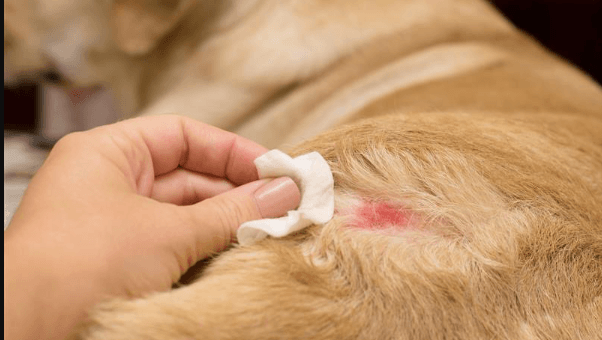
Pet owners often find themselves concerned when a furry companion begins to scratch, lick, or chew at their skin incessantly. While occasional grooming is normal, persistent irritation usually signals an underlying physiological issue that requires intervention. Identifying the root cause is the first step toward restoring your pet’s comfort and preventing secondary infections. Because skin irritation and physical discomfort often go hand in hand, finding Safe and effective pain relief for dogs becomes a priority for many households dealing with chronic inflammatory conditions. By understanding the common triggers of canine pruritus, you can implement a targeted treatment plan that addresses both the visible symptoms and the hidden discomfort.
Environmental and Seasonal Allergies
Atopic dermatitis is one of the most frequent reasons for canine itching, often triggered by environmental allergens such as pollen, mold spores, or dust mites. Just like humans, dogs can develop hypersensitivities to the world around them, though their symptoms manifest through the skin rather than the respiratory system. When a dog comes into contact with an allergen, their immune system overreacts, leading to redness, swelling, and intense itching, particularly around the paws, underarms, and ears. Managing these environmental triggers often requires a multi-faceted approach, including regular foot baths after walks and the use of air purifiers within the home to reduce the particulate load.
Parasitic Infestations and Flea Bite Hypersensitivity
Even a single flea can cause a disproportionate amount of misery if a dog suffers from flea allergy dermatitis. In these cases, the dog is not just reacting to the bite itself, but to the proteins found in the flea’s saliva. This leads to a frantic cycle of scratching and biting, often concentrated at the base of the tail and the inner thighs. Beyond fleas, mites such as sarcoptic mange can burrow into the skin, causing extreme irritation and hair loss. Maintaining a strict, year-round parasite prevention protocol is essential for any household. If an infestation has already taken hold, a deep cleaning of the home environment is necessary to break the life cycle of the parasites and prevent a rapid re-infestation of the host.



See also: Healthy Living Tips for Apartment Dwellers
Dietary Sensitivities and Ingredient Intolerance
Food allergies are less common than environmental ones but are often more difficult to diagnose. When a dog’s digestive system identifies a specific protein—most commonly beef, chicken, or dairy—as a threat, it can trigger a systemic inflammatory response. This often results in chronic ear infections or itchy skin that does not seem to vary with the seasons. Veterinary professionals typically recommend an elimination diet or a hydrolyzed protein trial to pinpoint the offending ingredient. During this time, it is crucial to avoid all unapproved treats or table scraps. Providing the right pain relief for dogs during these dietary transitions can help manage the inflammation while the body flushes out the problematic allergens.
Secondary Infections and Skin Barrier Health
When a dog scratches or licks excessively, they create micro-tears in the skin barrier, which allows bacteria and yeast to flourish. These secondary infections create a “vicious cycle” where the infection causes more itching, leading to more self-trauma. Yeast infections often produce a distinct corn-chip odor and greasy skin, while bacterial infections may present as pustules or crusty circular patches. Treating the itch without treating the infection is rarely successful. Medicated shampoos containing chlorhexidine or ketoconazole are frequently prescribed to rebalance the skin’s microbiome. Additionally, exploring the role of omega-3 fatty acids in canine epidermal repair can provide insight into how nutritional supplements help rebuild a resilient skin barrier from the inside out.
Behavioral Itching and Anxiety Roots
In some instances, itching is not purely physical but is rooted in psychological distress. Dogs prone to separation anxiety or boredom may develop obsessive-compulsive behaviors, such as acral lick dermatitis, where they lick a specific spot on a limb until a granuloma forms. This behavior releases endorphins that temporarily soothe the dog’s stress, making it a difficult habit to break. Treatment for behavioral itching requires a combination of environmental enrichment, increased physical exercise, and sometimes pharmacological intervention to lower the dog’s overall anxiety levels. Distraction techniques, such as puzzle toys or long-lasting chews, can also redirect the urge to self-groom.
Conclusion
Restoring a dog’s skin health is a journey that requires patience and a systematic approach to diagnostics. From the microscopic threat of mites to the complex world of genetic allergies, the causes of pruritus are as diverse as the breeds themselves. By working closely with a veterinarian to rule out parasites and food triggers, you can narrow down the cause and find a remedy that works. Whether the solution involves a change in diet, a new medication, or simple environmental adjustments, the goal remains the same: a happy, comfortable pet. Consistent monitoring and early intervention remain the best tools for any owner looking to keep their dog’s coat healthy and their tail wagging without the distraction of a constant itch.